Copyright@shravancharitymission
Raksha Bandhan is observed on the last day of the Hindu lunar calendar month (Panchang) of Shravan. It normally falls in August. Raksha Bandhan is also known as Rakhi. It is also referred as Saluno. It is an affectionate festival that celebrates the unbreakable bond between brothers and sisters. It’s a day when sisters tie a sacred thread, called “rakhi,” on the wrists of their brothers, symbolising protection and love. In return, the brothers offer gifts and the promise to protect their sisters.
It is an admired and traditional Hindu ritual and festival celebrated every year. Apart from India, it is also celebrated in other parts of the world influenced by the Hindu culture. On this day, sisters of all ages tie a talisman or lucky charm called ‘rakhi’ on the wrists of their brothers. The sisters symbolically protect the brothers by doing this. In return, they receive a gift. Its spiritual significance lies in the protection and interconnectedness of the relationship between the brother and the sister. The expression “Raksha Bandhan” comprehensively describes this ritual.
It is traditionally rooted in the curriculum of territorial or village marriages. The bride is married out of her natal village or town, and her parents, by custom, do not visit her in her married home. In rural north India, village marriage is quite prevalent. Married women travel to their parents’ homes every year to celebrate Raksha Bandhan. Their brothers, who usually live with their parents or somewhere close by, at times, travel to their sisters’ married homes to escort them back. Some brides arrive a few weeks earlier at their natal homes and stay there till the ceremony is over. The brothers serve as lifelong intermediaries between their married sisters’ and parental homes, as well as their potential protectors.
In modern India, where families have become increasingly nuclear, the festival has become more symbolic, yet it remains highly popular. The rituals of this festival have spread beyond their traditional regions. They have transformed owing to migration and technology. Factors influencing are movies, social media, and the religious bent of mind. We all remember the famous Bollywood song ‘Bhaiya mere Rakhi ke bandhan ko nibhana’. Even among females and males who are not blood relatives, tying of the rakhi has promoted the tradition of voluntary kin, crossing lines of caste, class, and religion.
So much has been written about Raksha-Bandhan to establish its credentials. According to the Oxford English Dictionary, the Hindi word Rakhi derives its origin from the Sanskrit word Rakshika, meaning a protector or guardian. The earliest mention of the word Rakhi in the English language dates back to 1829, in Lieutenant Colonel James Tod’s book, Annals & Antiquities of Rajasthan.
Indian poet Nazeer Akbarabadi (1735–1830) wrote one of the first nazms in the Hindustani language on Rakhi. The august poet imagines that he, despite being a Muslim, would like to dress up as a “Bamhan” (Brahmin priest), with a sacred thread and a mark on the forehead, so that he can tie the threads on the wrists of all the beautiful people around him.
Much has been captured about Rakhi in various treatises, dictionaries, and books. Notable examples include the Dictionary of Hindustani and English, authored by Duncan Forbes in 1857. Raksha Bandhan’s reference in the mythology comes out in chapter 137 of the Uttara Parva of the Bhavishya Purana. Here, Lord Krishna narrates to Yudhishthira the ritual of having a raksha thread tied to his right wrist by the royal priest (rajpurohit) on the day of purnima (full moon day) of the Hindu lunar month of Shravan.
Though traditionally, Raksha-Bandhan is observed in northern India. It also encircles central and western India, Nepal, and some other parts of the country, as well as overseas Hindu communities such as Fiji. It is primarily a Hindu festival. Besides India and Nepal, other countries also celebrate Raksha Bandhan. Pakistan and Mauritius are two other countries where Hindus celebrate this festival. In addition wherever we have Hindu diaspora Raksha Bandhan is celebrated.
Folklorist and American anthropologist Susan Snow Wadley writes: ‘In Savan, greenness abounds as the newly planted crops take root in the wet soil. It is a month of joy and gaiety, with swings hanging from tall trees. Girls and women swing high into the sky, singing their joy. The gaiety is even greater because women, especially the young ones, are expected to return to their natal homes for an annual visit during Savan.’
The brothers serve as lifelong intermediaries between their married sisters’ and parental homes, as well as their potential protectors. That’s the bond of Raksha-Bandhan.
Written and posted by Kamlesh Tripathi
Author, Poet, & Columnist
*
https://kamleshsujata.wordpress.com
*
Like it and Share it
*
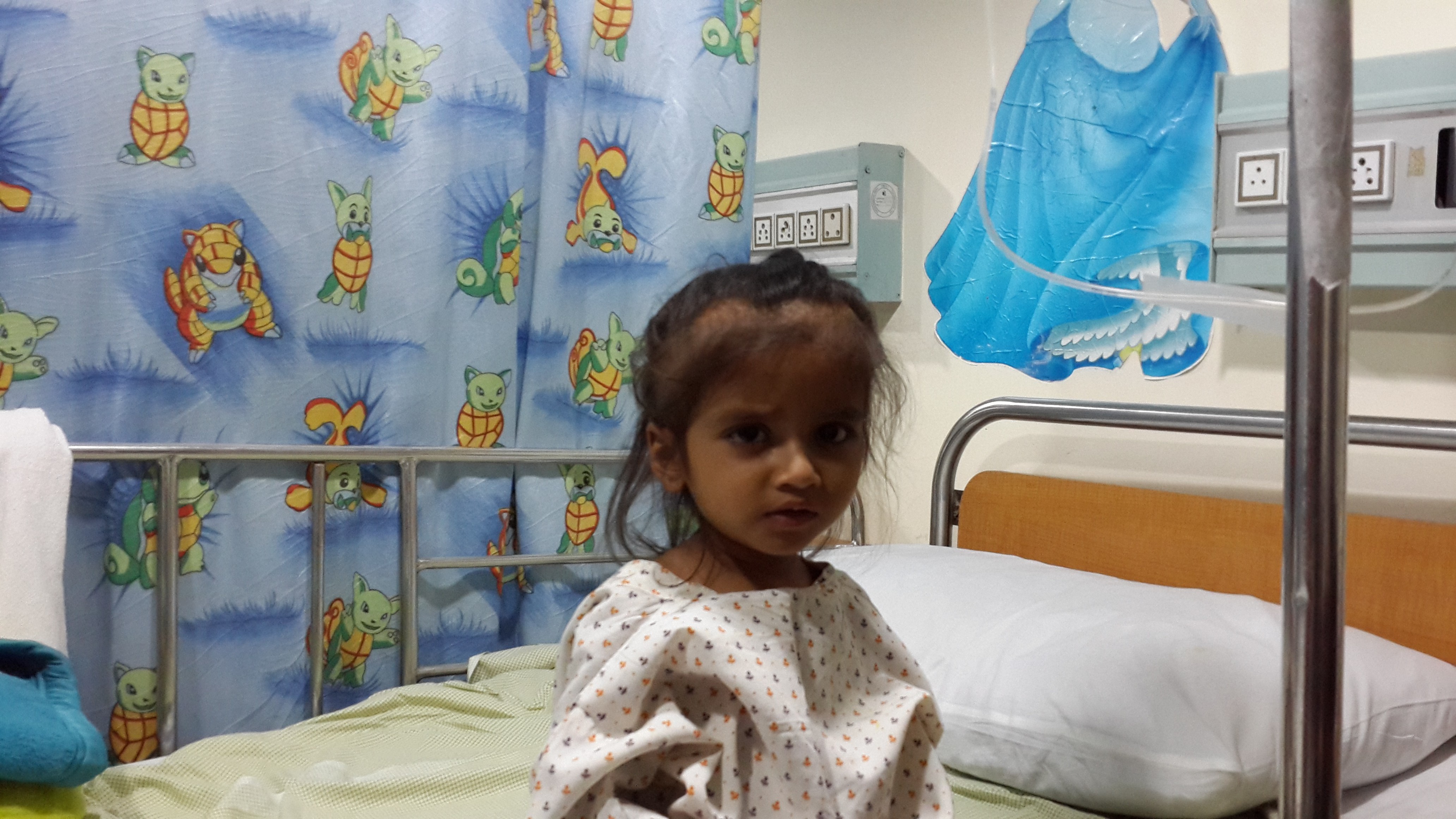
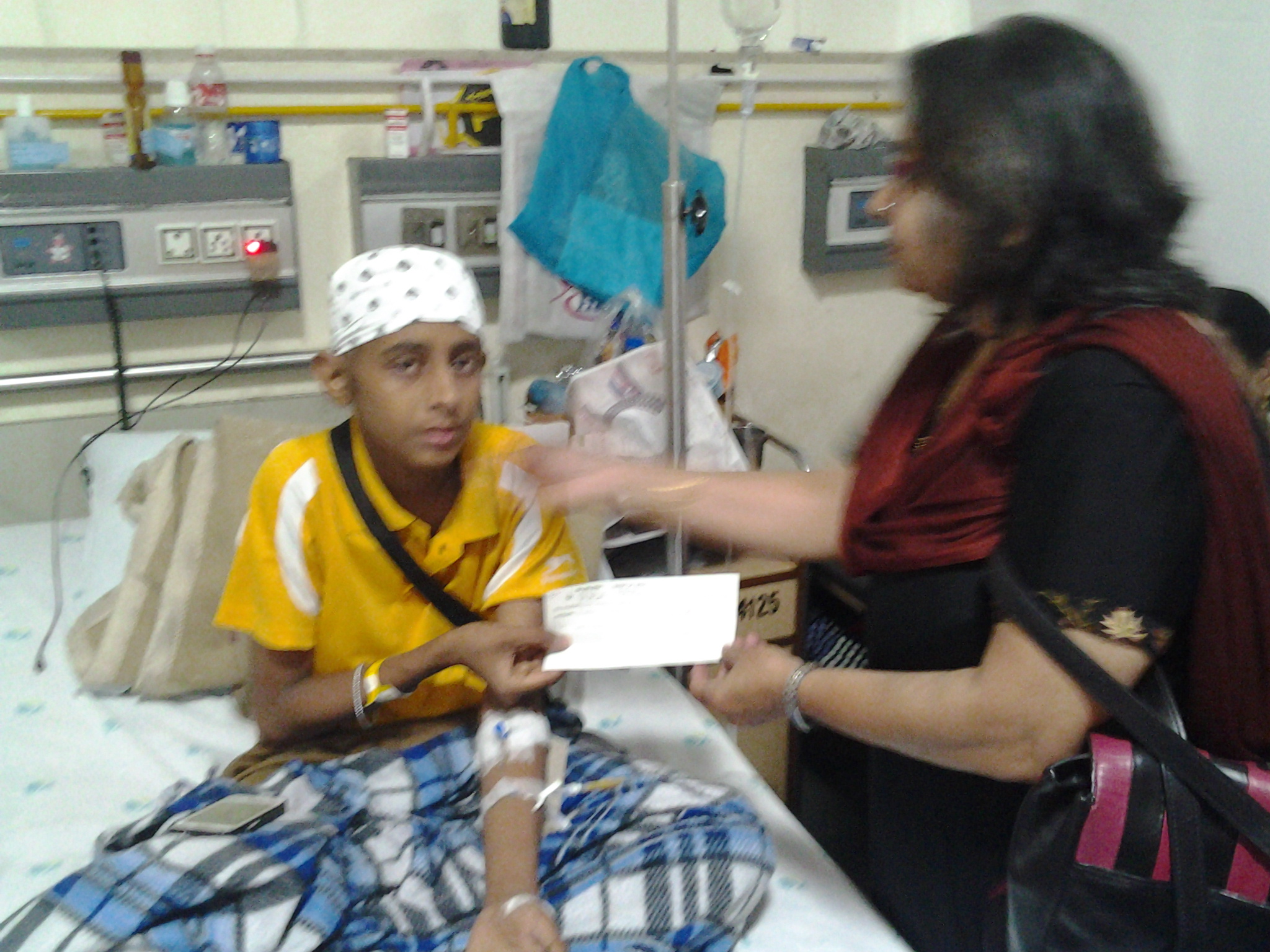
Shravan Charity Mission is an NGO that works for poor children suffering from life-threatening diseases, especially cancer. Our posts are meant for our readers, including children and adults, and have a huge variety of content. We also accept donations for our mission. Should you wish to donate to the cause of cancer? The bank details are given below:
NAME OF ACCOUNT: SHRAVAN CHARITY MISSION
Account no: 680510110004635 (BANK OF INDIA)
IFSC code: BKID0006805
***











 Shravan charity mission