Shravan Charity Mission is an NGO that works for poor children suffering from life-threatening diseases, especially cancer. Our posts are meant for our readers, including children and adults, and have a huge variety of content. We also accept donations for our mission. Should you wish to donate to the cause of cancer? The bank details are given below:
The use and abuse of Nari-Shakti in earlier Europe has many legends to be told. The gruesome story of King Henry VIII gives jitters. The royal blood of England was bereft of moral values, as if. King Henry VIII was the Eighth King of England. He was famous for many things, but he was also famous because he had six wives. He was not a kind husband. People say that loving fathers took their daughters away from the palace when he was looking for a new wife as his Queen. They did not want the King to choose their daughter to be the next Queen of England, because some of his Queens had very short and unhappy lives. There were six of them—three were Katherines, two Annes, and a Jane. One was the King’s wife for twenty-four years, another for only a year and a half. One died, two were divorced, and two were beheaded. It was a dangerous and uncertain life. The first, Katherine of Aragon was divorced after 24 years of marriage. The second, Queen Anne Boleyn was sent to the tower and beheaded. The third Queen Jane Seymour died due to complications twelve days after giving birth to a child. The fourth Queen Anne of Cleves was divorced within six months of marriage. The fifth Queen Catherine Howard was also sent to the Tower and beheaded. Henry VIII widowed the sixth Queen Catherine Parr. But why did, King Henry, divorce two wives, and kill two others? What were his queens really like? Catherine Parr, the sixth wife, lived on after the King died in 1547 to tell the story. One day she goes back to the palace of Whitehall and finds a box of old letters written to the King- one from each of the first five wives. They are sad, angry and frightened letters. They tell the story of what it was like to be the wife of Henry VIII of England. Such was the abuse of ‘Nari-Shakti’ in sixteenth-century England by no one else but by the King of England himself.
British Queen Victoria was the Empress of India. One can read that in the stone she laid on the 17th Day of May 1899 in front of the Victoria and Albert Museum in London. Queen Victoria reflects the positive kind of ‘Nari-shakti’ in England.
‘Nari-Shakti’ is a revered word. India is called ‘Bharat-Mata’. But Bharat-Mata the epitome of Indian Nari-Shakti had to face the wrath of Videshi Nari-Shakti—the British Crown.
King Edward VIII of England gave up his throne to marry Wallis Simpson, an American divorcee and he himself became the Duke of Windsor. As a consequence, he was succeeded by his brother Albert, who became George VI. Wallis Simpson was a ‘Nari-Shakti’ of the romantic kind.
The famous French short-story writer Guy-De-Maupassant in his short story ‘A Sale’ presents another abuse of Nari-Shakti. It is a unique story with a lot of tongue-twisting French names. It opens and ends in the courtroom. There are two defendants, Cesaire-Isidore Brument and Prosper-Napoleon Cornu. They appear before the Court of Assizes of the Seine-Inferieure, on a charge of attempted murder, by drowning, of Mme (Madam) Brument, the lawful wife of Brument in the story. The judge delivers a verdict that refrains anyone from selling a woman and that too in cubic metres and fixes a limit to doing business but the jury doesn’t punish the offenders but acquits them with mild strictures—an abuse of Nari Shakti both by the offenders as well as the jury. Kudos to Maupassant for highlighting the malady in society.
All that glittered in Europe was not gold. Wake up and smell the coffee at home.
Shravan Charity Mission is an NGO that works for poor children suffering from life-threatening diseases, especially cancer. Our posts are meant for our readers, including children and adults, and have a huge variety of content. We also accept donations for our mission. Should you wish to donate to the cause of cancer? The bank details are given below:
NAME OF ACCOUNT: SHRAVAN CHARITY MISSION
Account no: 680510110004635 (BANK OF INDIA)
IFSC code: BKID0006805
*
Publications of Kamlesh Tripathi
BOOK TITLE: GLOOM BEHIND THE SMILE
(The book is about a young cancer patient. Now archived in eight prestigious libraries of the US which include Harvard College Library; Harvard University Library; Library of Congress; University of Washington, Seattle; University of Minnesota, Minneapolis; Yale University, New Haven; University of Chicago; University of North Carolina, at Chapel Hill University Libraries. It can also be accessed at MIT through Worldcat.org. Besides, it is also available for reading in the libraries and archives of Canada; the Open Library; Cancer Aid and Research Foundation Mumbai; Jaipuria Institute of Management, Noida, India; Shoolini University, Yogananda Knowledge Center, Himachal Pradesh and Azim Premzi University, Bangalore and the Library of Cancer Aid and Research Foundation, Mumbai. The title also finds a mention in a book titled ‘Enduring Cancer: Life, Death and Diagnosis in Delhi’ by Dwaipayan Banerjee published by the Duke University Press).
BOOK TITLE: ONE TO TANGO … RIA’S ODYSSEY
(It is a book on ‘singlehood’ about a Delhi girl now archived in Connemara Library, Chennai and Delhi Public Library, GOI, Ministry of Culture, Delhi; It is also available for reading in the Indian National Bibliography, March 2016, in the literature section, in Central Reference Library, Ministry of Culture, India, Belvedere, Kolkata-700022)
BOOK TITLE: AADAB LUCKNOW … FOND MEMORIES
(This is a fiction written around the great city of Nawabs—Lucknow. It describes Lucknow in great detail and also talks about its Hindu-Muslim amity, which is the undying characteristic of Lucknow. The book was launched at the Lucknow International Literary Festival in 2014. It is catalogued and included for reading in Askews and Holts Library Services, Lancashire, U.K; Herrick District Library, Holland; Charlotte-Mecklenburg Library, Mecklenburg County, North Carolina, USA; Black Gold Cooperative Library Administration, Arroyo Grande, California; Berkeley Library, University of California; The Peshastin Public Library and The George Public Library near Washington, a Northern Central Washington Libraries branch; the Flagstaff City-Coconino County Public Library in Arizona in the US and the Salina Public Library, Kansas, USA.
BOOK TITLE: REFRACTIONS … FROM THE PRISM OF GOD
(Co-published by Cankids–Kidscan, a pan India NGO and Shravan Charity Mission, that works for child cancer in India. The book is endorsed by Ms Preetha Reddy, MD Apollo Hospitals Group. It was launched at the Lucknow International Literary Festival in 2016).
BOOK TITLE: TYPICAL TALE OF AN INDIAN SALESMAN
(Is a story of an Indian salesman who is, humbly qualified. Yet he fights his way through unceasing uncertainties to reach the top. A good read not only for salesmen but for any reader. The book was launched on 10th February 2018 at Gorakhpur Lit-Fest. Now available on Amazon, Flipkart and Onlinegatha)
BOOK TITLE: RHYTHM … IN POEMS
(Published in January 2019. The book contains 50 poems. The poems are about our day-to-day life. Poems from this book have been published in Shillong Times, Bandra Times, Bhavan’s Journal and Arunachal Times and Goan net. The book is available on Amazon, Flipkart and Onlinegatha)
BOOK TITLE: MIRAGE
(Published in February 2020. The book is a collection of eight short stories available on Amazon, Flipkart and Notion Press)
BOOK TITLE: AWADH ASSAM AND DALAI LAMA … The Kalachakra
(It is the story of the man who received His Holiness The Dalai Lama and his retinue in 1959 as a GOI representative when he fled Tibet in 1959. The book was launched on 21st November 2022 by His Holiness The Dalai Lama at Dharmshala. The title is archived in the library of the Department of Information and International Relations (DIIR) Government of Tibet, Tibet Policy Institute (TPI) and the personal library of His Holiness The Dalai Lama. The title is also archived in The Ohio Digital Library, USA. It was recently included in the digital library of the world-renowned company APPLE. Included in the library of Friends of Tibet and Maharashtra Mitra Mandal Library in Bandra, Mumbai.
(POEMS, SHORT STORIES AND ARTICLES OF KAMLESH TRIPATHI PUBLISHED IN JOURNALS AND MAGAZINES)
BHAVANS JOURNAL
Short stories, Book reviews and Articles published in Bhavan’s Journal: 1. Reality and Perception, 15.10.19; 2. Sending the Wrong Message, 31.5.20; 3. Eagle versus Scholars, June, 15 & 20, 2020; 4. Indica, 15.8.20; 5. The Story of King Chitraketu, August 31 2020; 6. Breaking Through the Chakravyuh, September 30 2020. 7. The Questioning Spouse, October 31, 2020; 8. Happy Days, November 15, 2020; 9. The Karma Cycle of Paddy and Wheat, December 15, 2020; 10. Power Vs Influence, January 31, 2021; 11. Three Refugees, March 15, 2021; 12. Rise and Fall of Ajatashatru, March 31, 2021; 13. Reformed Ruler, May 15, 2021; 14. A Lasting Name, May 31, 2021; 15. Are Animals Better Teachers? June 16, 2021; 16. Book Review: The Gram Swaraj, 1.7.21; 17. Right Age for Achievements, 15.7.21; 18. Big Things Have Small Beginnings, 15.8.21; 19. Where is Gangaridai?, 15.9.21; 20. Confront the Donkey Within You 30.9.21; 21. Know Your Strengths 15.10.21; 22. Poverty 15.11.21; 23. Top View 30.11.21; 24. The Bansuriwala 15.1.22; 25. Sale of Alaska 15.2.22; 26. The Dimasa Kingdom 28.2.22;27. Buried Treasure 15.4.22; 28. The Kingdom of Pragjyotisha 30.4.22; 29. Who is more useful? 15.5.22; 30. The White Swan from Lake Mansarovar 30.6.22; 31. Bhool Bhulayya 15.9.22; 32. Good Karma 30.9.22; 33. Good Name vs Bad Name 15.10.22; 34. Uttarapath—The Grand Trunk Road 1.12.22; 35. When Gods Get Angry 1.1.23; 36. Holinshed’s Chronicles 15.1.23; 37. Theogony 15.2.23; 38. Poem: Mother 14.5.23; 39. The Nag Mandir 30.6.23; 40. The Story of Garuda 30.7.23; 41. Janmabhoomi vs Karmabhoomi 31.8.23; 42. The Ghost Town of Kuldhara 15.9.23; 43. The Tale of Genji 15.10.23; 44. The Soul Connection 1.12.23; 45.Book review: Jungle Nama … a story of the Sundarban 16.3.24; 46. Book review: A Forgotten Chapter 16.5.24; 47. Exploring Ancient Egypt, 1.8.24; 48. The Story of Dhruva, 16.8.24; 49. Two Hundred Years of Tea in Assam 16.9.24; 50. The Cosmic Messenger 16.10.24; 51. Biblioburro: The Four-Legged Library 16.11.24
THE SHILLONG TIMES
Articles & Poems: 1. Poem: Happy New Year 8.1.23; 2.Poem: Spring 12.3.23; 3.Poem: Right and Wrong 20.3.23; 4.The Gush of Emotion—Writing, 26.3.23; 5. The Nag Mandir, 7.5.23; 6. Poem: Mother 7.5.23; 7. Poem: Rain Rain 9.7.23; 8. Poem:You Come Alone You Go Alone 6.8.23; 9. Poem: Rain Rain (Second Time) 10.8.23; 10. Poem: Guru Teacher 1.10.23; 11. Poem: Autumn … The Interim Heaven 15.10.23; 12. Poem: Happy Diwali 12.11.23; 13. Overcoming Blindness: Learn it the John Milton Way 10.12.23; 14. The Happy Prince and The Happy Man’s Shirt 31.12.23; 15. Annus Mirabilis -2024 7.1.24; 16. Gandhi to Mahatma Gandhi- Incidents that Shaped Gandhi in South Africa 28.1.24; 17. Poem: Together But Not Made For Each Other, 11.2.24; 18. The Birds Bees and The Spiders of Nicholas Guildford and Jonathan Swift 25.2.24; 19. The Overcoats of Nikolai Gogol and Ruskin Bond 10.3.24; 20. The Ethnic Colours of Holi 24.3.24; 21. A Lesson from Dalai Lama, 21.4.24; 22. Poem: Morning Walk 28.4.24; 23. Trip to Rhine Falls, Switzerland, 19.5.24; 24. Poem: Hurt 2.6.24; 25. Poem: Your Conscience Was My Sign On 16.6.24; 26.Poem: The Eerie Ways of Time 7.7.24; 27.Poem: Celebrating the T20 World Champions 14.7.24;28. Read to Rise above mediocrity, 4.8.24; 29. Poem: Desire vs Reality 11.8.24; 30. Jack Ma’s Pristine Advice to Employers, Employees and the Youth 22.9.24; 31. Tagore and Kipling 3.11.24;
THE ASSAM TRIBUNE
Article: 1. The Magic of Reading 11.12.23; 2. Gandhi to Mahatma 29.1.24; 3. Geography of Solitude 8.4.24; 4. A Lesson From Dalai Lama, 22.4.24; 5. A Source of Inspiration, 29.4.24; 6. The Four-LeggedLibrary, 12.5.24; 7. Age and Achievement, 10.6.24; 8. Read … To Rise Above Mediocrity, 1.7.24; 9. Crusade for a College, 25.8.24; 10. Hemingway’s Iceberg Theory (Panorama) 27.9.24; 11. Short story: Love in the Air, 20.10.24;
THE ARUNACHAL TIMES
Poem: 1. Hope—In The Arc of Twilight, 13.8.23; 2.Poem: Spring 3.3.24; 3.Poem: The Morning Walk 10.3.24;
BANDRA TIMES, MUMBAI
Articles & Poems: 1. Poem: SPRING, 1.4.23; 2. Poem: Mother, 1.6.23; 3. Poem: Rain Rain, 1.8.23; 4. A Lesson From Dalai Lama, 1.6.24; 5. Read to rise above Mediocrity 1.8.24
Aritcles: 29.12.2020: Indica by Megasthenes; 14.3.22: About The Dimasa Kingdom Assam; 10.12.22: Grand Trunk Road–Uttarapath; 5.10.23: The Ghost Town of Kuldhara Near Jaisalmer;
(ALL THE ABOVE BOOK TITLES ARE AVAILABLE FOR SALE ON AMAZON, FLIPKART AND OTHER ONLINE STORES OR YOU COULD EVEN WRITE TO US FOR A COPY)
There are two things that a man cannot do even if he devotes all his life to it. The first is he cannot read all the literature available in the world during his lifetime. The second is he cannot behold all the wonders on earth created by God Almighty. But yes he can visit many of them if he sincerely endeavours to. We attempted to do that.
On 13th August 2023, we left on a group tour of Europe. Our tour operator was Kesari Tours, Mumbai. Our first take-off was an early morning three-hour Indigo Flight from Mumbai to Doha. It landed in Doha the capital of Qatar, where we had a two-hour halt. Thereafter, we were on a Qatar Airways 7-hour flight to London.
We landed at Heathrow London, Terminal 4 at around 2.30 PM London time. It took three hours for the group to clear immigration. By the time we were out of the airport, it was 6 PM. We reached our Hotel, Holiday Inn Express Terminal 5, at seven. The check-in was followed by dinner. The day in London appeared longer than Mumbai, say till nine in the evening in August, as a result, one felt as if one had just finished lunch instead of dinner.
14.8.23: We left for local London sightseeing after an English breakfast at nine in the morning. We travelled to London City Centre crossing zone 3, 2 and 1. Our local travel guide was Sari and coach driver was Sam. We visited the Natural History Museum followed by Victoria and Albert Museum. There were several unique and brick-laden houses on the way that gave a grand look to the city. We passed through the Piccadilly Circle, Hyde Park, Hyde Corner, the statue of the Duke of Wellington straddled on his horse, the Fountain of Opera, Trafalgar Square—Nelson’s Column and its four lions considered zero miles in UK where plenty of Bollywood movies have been shot. Soon after we saw the ‘change of guard ceremony’ at 11.30 in Buckingham Palace which is held every alternate day. We were lucky to be there on the right day which was Monday. It’s an old royal tradition and we were able to video shoot the ceremony. The royal family guards change their shifts under a proper ceremony along with the marching band. The next on the sightseeing list were the Big Ben, Westminster Abbey, Parliament Square and 10 Downing Street. When I crossed the Thames River it reminded me of the old classic song, ‘Scarborough Fair’. The ‘London Eye’ was fascinating. We then saw the symbol of the two dragons indicating you’re entering London. The actual London city is colloquially called the Square Mile. It is 2.90 km square, in area.
LONDON EYE
The London Eye gives a panoramic view of the city of London. It has 32 capsules. It takes 32 minutes for a circle with 32 people, reminding you of the 32 boroughs of London. One capsule represents one borough. The next to see was the Phantom of the Opera, the tower bridge on the left of London Bridge. We drove past the London Bridge and the fire monument of the 16th century. Our lunch was at the Bangalore Express Restaurant. This was followed by a long stroll and shopping in Oxford Street, followed by dinner at the Hot Plate Restaurant and then we returned to our hotel.
15.8.23: On Independence Day we were up at three in the morning. The need was to catch the famous Eurostar train to Paris and Brussels from St. Pancras International Station, London. The train was at 7.01 AM. We left the hotel at 4.30 in a coach to be at the station by five. The security check at the railway station was quite tedious because of the heavy luggage that we were carrying. After the security, one technically leaves the territory of the U.K. and enters Europe on a Schengen visa. Twenty minutes before departure we were informed about our gate number. We sat in bogies 12 and 13 after walking past gate number 10. Soon, the Eurostar train number 9004 to Paris, left platform 10 from St Pancras Railway Station. After a point, it entered Europe leaving behind the U.K. It took 2 hours and 20 minutes to reach Paris. We were there at 10.20 AM which was exactly two hours and twenty minutes of travel time, but going by the clock it was three hours and twenty minutes because the continent of Europe is one hour ahead of the U.K. time. Our immigration process was held in London station itself. There are tunnels under the English Channel. The train crosses them in about 15-16 minutes on its way to Paris-Gare-du-Nord railway station in Paris. On the way, we ate breakfast along with hot coffee. The local tour guide in Paris was one Mr Senthil, an expat Indian from Tamilnadu. He started the city tour with a Vannakam—Tamil Namaste. Soon Paris started unfolding in front of our eyes. The tour began with the Opera House and The Greek Church—rich in Greek architecture. Then we saw the Golden Flame and the bridge where Lady Diana died in a car mishap. Then followed the Place De La Concorde Square, Macaline, Shawn Elizey, and the famous Eiffel Tower.
15TH AUGUST 2023, WITH TIRANGA FLAGS NEAR EIFFEL TOWER IN PARIS
We celebrated Independence Day with the Tiranga singing our national anthem in front of the Eiffel Tower. Later we visited Napoleon Bonaparte’s tomb in Les Invalides. Lunch was at ‘Welcome India,’ an Indian restaurant, after which at 2 PM we left for the Eiffel Tower. There was a huge crowd there with several souvenir shops. The names of Jules Verne (the author of Twenty Thousand Leagues Under the Sea) and Victor Hugo (the author of Les Miserables), both French authors, find their names mentioned in many of these shops and even in some public areas in Paris. Just as Sir Arthur Conan Doyle’s bust is seen in Baker Street, London. Do you recall the mention of Baker Street in the Sherlock Homes novels?
It took us two hours to get across the security gate alone and reach the summit level of the Eiffel Tower. The aerial view of Paris city from there was gorgeous. The summit level was earlier closed. Later they opened it. We were lucky to get the tickets for it. There is a Champagne bar there where we had a drink. The Eiffel Tower has three floors. The first level, the second level, and the summit level. The pillar elevators and the stairs take you to the first and second levels. To reach the top of the Tower from the second-floor platform, one needed to locate the separate elevator meant for it. In the same sequence, one can come down. After beholding the Eiffel Tower to our fill, we undertook a river cruise in the Seine River which was breathtaking.
THE CITY OF PARIS FROM EIFFEL TOWER SUMMIT
Our dinner was at Mewar Restaurant at 7 PM and by eight, we were back in our hotel, Novotel. The roads in Europe were quite open without traffic jams so one could accurately calculate the travel time. After an hour of free time in the hotel, we drove down to the main Paris city which included ‘The Champs-Elysees’, the main street of Paris that in some ways resembled the ‘Kartavya Path’ in New Delhi where we had a photo session in the glittering lights. After that, we went to the Eiffel Tower again. And wow!! It was an amazing sight to see the entire Tower lit up at eleven in the night. We returned to our hotel at midnight. The 15th of August was the longest day of our tour—from 3 a.m to midnight and from London to Paris.
16.8.23
The next day our coach rolled out of the hotel at 8 AM after a sumptuous continental breakfast. Soon it started negotiating the wide roads. Today, we were to travel from Paris to Brussels the capital of Belgium. Belgium is also the capital of the European Union. From Belgium we were to travel to the Netherlands. We realized the uniqueness of Europe: It was breakfast in France, lunch in Belgium and dinner in the Netherlands. It took three and a half hours from Paris to Brussels. The drive was picturesque with the ongoing green landscape and flowing rivers off and on. There was no honking. The drivers in Europe were disciplined and didn’t drive outside their lane, something that needs to be appreciated. Our coach driver was Michelle who hailed from Italy. All along there were small and big villages, all neatly manicured, and all with a church tower. The landscape was verily verdant with a river or two flowing near Belgium where we had a filling meal at the Wonders Restaurant. Thereafter we visited the city centre called the La Grand Place in Brussels, a beautiful square that houses the Town Hall, the Gilded Age houses and the circular monument. There is an old folktale behind the ‘Mannekin Pis Statue’ … ‘The Peeing Boy Statue’ at the nub of the Square. There was hectic shopping in that inviting market. There were photo-ops too followed by a session of delicious ice cream. At four in the evening, we left for Atomium, and it took us an hour to get there. It was again a photo-op point with a long history. The place houses a huge atom structure with 9 spheres and 21 cubes. It is part of the gate built in 1957 considered an icon of Belgium. After the Atomium, we left for Amsterdam, the Netherlands. We crossed Valenciennes—the France – Belgium – border. Then we crossed Breda which is the Belgium- Netherlands border. But before that, we crossed a small town called Antwerp which is famous for its diamond market. In and around Antwerp we could see many windmills, canals, lakes and village houses. My spouse and I were thrilled to see this exquisite face of nature. In the evening we entered the Netherlands through Hazeldonk. Our dinner was in an Indian Restaurant called ‘Bollywood’ in Amsterdam. By 9 PM we had checked into Amedia Hotel, Amsterdam.
17.8.23
After local sightseeing in Amsterdam, we were to travel to Germany. At 9 AM, we left for Madurodam a miniature park in Amsterdam.
MADURODAM, MINI AMSTERDAM
Madurodam Park is also called mini-Amsterdam. Amsterdam gets its water from the North Sea. It is known as the city of cycles, canals and rivers. It remotely reminds you of Venice. We entered Madurodam Park at 9.45 AM. We were supposed to be there till noon. There were many things to be seen there along with the mind-blowing landscape. Whoever built that park must have been a genius. There was a 3D flight ride in a stationery Dakota Plane with high sound effects. There was so much to photograph there, like the verdant garden with miniature canals, boats, luxury liners and the draw-bridges that lifted when the toy ships passed—a real entertainment for children and even adults. The landscaping was just awesome with miniature hills and forests and the modelling of canals, windmills and rural houses were amazing. The souvenir shops were so well laid and with so much merchandise that it could have tempted anyone to buy in droves. We were to leave the park for lunch but on that day our appointed Guru Restaurant caught fire and we were accommodated in Rangoli Restaurant. It’s so nice to see Indian cuisine reaching the nooks and corners of Europe, but you need to book it in advance because the capacities are still low. The blessing in disguise was that the Rangoli Restaurant was just a 5-minute walk from the Lovers Canal Cruise Station so we were able to meet our schedule. We reached the Restaurant at 1 PM. After a quick bite, we were at the Lovers Canal Cruise for a boat ride at 1.45 PM. The canals reminded me of the last scene (a motorboat chase) of Alistair Maclean’s famous movie ‘The Puppet on a Chain.’ Luckily we had the best of both worlds—the lunch and the canal cruise.
The Cologne Cathedral
In the afternoon we left for Germany. Our destination was Cologne. We were to visit the famous Cologne Cathedral after dinner at the Rangoli Restaurant there, (sunset in Europe is rather late during this time of the year so we could do sightseeing even after dinner). Since it was vacation time in Europe, there wasn’t much traffic either. We reached the restaurant by seven, in 4 hours. After dinner, we took a long walk to reach the Cologne Cathedral. It was still daylight. Cologne Cathedral is a unique landmark of Germany. It has a height of 157 metres and it took 650 years to build this cathedral. We clicked many pictures. Visitors who reached there early were able to enter the Cathedral to have an inside view. After visiting the Cathedral we undertook a 45-minute drive to arrive at the Mercure Hotel, in Bonn, where we checked in for the night. Most European countries are small in land area and one never comes to know when one has crossed over to another country. And while crossing over to another country your passport and visa are not checked.
18.8.23
On 18 August we were to travel across Germany through the Black Forest and reach the Rhine Fall (waterfall) in Switzerland and then to our hotel Seadamm Plaza in Pfaeffikon, Zurich. The drive was through the mystique Bavarian Alps with misty mountains and fast lane observing traffic. The weather was cold and overcast.
We started at eight in the morning, first towards the Black Forest. The Black Forest in the German language is called ‘Schwarzwald’ which is known for the Cuckoo Clock Industry, Cloud Fisheries Industry and the Black Forest Cake. The extended word is ‘Schwarzwalder Kirschtorte’, which translates into ‘Black Forest Cherry Cake’ which is the most famous sweet delicacy of that place. Cuckoo Clocks, Watchmaking, Skiing and Hiking are prime activities of the region. The Black Forest Clock Association includes producers, traders and experts. It provides certification to clock-makers who meet these requirements. All clocks are mechanical and are made by hand in Germany with wood from the Black Forest. During the World War, the area of the Black Forest in Bavaria was destroyed. People had become poor. But by starting these industries people regained their affluence. It became a major tourist centre and with that, the income of local people went up. The first stop of our journey was after 450 km which took us around five-and-a-half hours.
We reached the car park of the Cuckoo Clock factory at about 1.45 PM. The place is known as Titisee Brietnau, where clocks are manufactured. It also manufactures glass toys. We were given a live demonstration of how clocks are made. We also saw a live show of a Cuckoo Clock that squeaks and chimes at two in the afternoon and the dancing dolls come out to dance with their partners. In the deep recesses of Germany, we had a rather sumptuous lunch in great style and variety. We were served dahi vadas, veg pulao, grilled chicken, French fries, cutlets and pastries. The group shopped to its delight and was all for the traditional Cuckoo Clock.
RHINEFALL, SWITZERLAND
At 3 in the afternoon, we left for the Rhine Fall in Switzerland located in the municipality of Neuhausen Am Rhinefall. Earlier there were only rocks and stones there but when the water arrived it turned into a horizontal waterfall. At 5.40 PM we boarded a forty-seater yellow boat. It took us to the rock island at the centre of the fall. We climbed the rock island to have a three-sixty-degree view. And it was amazing. We then returned to the boarding station where we were in for a pleasant surprise as we were served Indian Masala Tea and Mumbai’s famous Vada-Pav right at the heart of the Rhine Fall in Switzerland. After the Rhine Fall, we travelled for two hours to reach our hotel Seddam Plaza in Seddam Centre in Pfäffikon, Switzerland. With that, the long journey across the Black Forest in Germany and the Rhine Fall in Switzerland came to an end.
19.8.23
19 August was the highlight day of our tour. We traveled to Mount Titlus in Switzerland. We left our hotel at 8.30 in the morning and arrived in Engelberg, which is the base camp at 10 AM. Engelberg is also called the ‘City of Angels’. From Engelberg, there are cable cars that go right up to Mount Titlis. The journey to the top can be completed in two cable car rides. Engelberg to Stands and Stands to Mount Titlis at an altitude of 10,500 feet. There is a 5-storey building on Mount Titlus. The level 1 of the building has both entry and exit gates. It also has retail shops where we went shopping and had Movenpick ice cream. The weather was unusually warm (signs of global warming). We were roaming in T-shirts without any woollens. The view from the cable car Gondola was just spectacular. We could see some people paragliding from a spot in Mount Titlis. The Titlis Cliff Walk and the Ice Cave were on the first level. We were there till 1.15 PM. Later we came down to Trusbee where we had an Indian meal of Pav-Bhaji, Dhokla, Gajar Halwa, Roti, and Rice. After lunch, we went down to Engelberg and travelled to Lucerne City. In Lucerne, we first went to the Lion Monument dedicated to the Swiss Mercenaries who were killed during the French Revolution by stealth. The sad face of the lion there is dedicated to them. Since the artist who sculpted the Lion monument was not paid his due, he was annoyed, and he cursed them by keeping the lion within the outline of the swine which is considered an abuse.Then we came to Schwanenplatz the busy market area of Lucerne. It is next to the Lucerne Lake which has a sizeable population of ducks on the shore. There was so much to shop starting from Swiss watches, knives, chocolates etc. At 6.30 we were off to a boat cruise with dinner. There we had the pleasure of listening to Swiss folklore and some special instruments. We also chorused Bollywood songs and danced on the upper deck of the boat. After enjoying the sail and dinner we left at eight for our hotel Seedamm Plaza. We were there by nine. It was the climax of our tour: Engelberg, Mount Titlis, Lion Monument, Lucerne Lake and the dinner cruise. We learnt that the government of Switzerland has installed a bust of Indian film producer Yash Chopra in the city of Interlaken for promoting Switzerland in his films.
20.8.23
On 20 August we left Switzerland at 9.30 AM for Wattens, Austria via Vaduz, the capital of Liechtenstein. Liechtenstein is a small country with a tiny population of 35000 people.
THE GROUP IN LIECHTENSTEIN
They too have their national day on 15 August. We took a guided Mini-Train tour around the city, and can you beat it, the pre-recorded running commentary in that describing the city was in Hindi of all the languages. As Indians, we felt proud. There was lots to buy in Vaaduz like liquor chocolates, garments, coins and souvenirs. There was also a big collection of stamps there for the stamp collectors. We lunched at Schlossle Mahal which is run by a chef from Assam, India. I was thrilled to meet him as I too have my roots in Assam. Moreover, he had studied at Darrang College in Tezpur, Assam. My father was the founder principal of that college in 1945. Indeed the world is small. After the splendid lunch, we departed for Austria which is landlocked with Liechtenstein. The first village that we crossed in Austria was Feldkirch which borders with Liechtenstein. We drove past the Inn River and arrived in Wattens, Austria at 4 PM. Here, we visited the Swarovski Crystal Museum, a wonderful complex. We couldn’t resist the temptation so we bought some crystal glass. Swarovski is a world-renowned brand that manufactures crystal glass. They also have showrooms in India. At 6 in the evening, we left for Innsbruck where we had a walking tour that took us to the Golden Roof, St. Jacob Dome, Inn River and Maria-Theresien Street. We clicked some pictures there. At 7.15 PM we drove to the mountain area—the top of the hill called Axams where we stayed at the Olympia Hotel which is a ski resort and where we had a filling continental dinner. In the evening there was a casual discussion on Mozart who hails from Austria. Recapping … on the 20th, we had breakfast in Switzerland, lunch in Liechtenstein and dinner in Austria.
WATTENS, AUSTRIA
21.8.23
We travelled from Austria to Italy (from Innsbruck in Austria to Venice in Italy). It was a long drive. We left at 7.30 AM to arrive at the designated restaurant for lunch by 1.15 in the afternoon. Punctuality is very important in Europe. We reached the restaurant exactly at 1 PM. The restaurant’s name was Bombay Spice. On the way, we crossed Brenner-Pass over the Alps which is the border between Austria and Italy. We drove through the Alps and finally arrived in Trento. There was a 45-minute halt there after which the Alps were left behind. The landscape re-styled after that. We crossed the city of Verona which is the village of Romeo and Juliet in William Shakespeare’s play. Post Verona, we reached Padua which is an industrial zone. We were to return here for our night halt. After Padua, there is the town of Mestre. We had lunch there in the restaurant called Bombay Spice after obtaining a permit from the checkpoint. Soon after, we left for Tronchetto in Venice where a Vaporetto boat was waiting to take us to St. Marks Island. The temperature was 39 degrees, hot and humid but the group negotiated the weather quite well. After arriving at St. Mark Island we started our walking tour. We went past the Bridge of Sighs, the Canal Grande, the Rialto Bridge, Piazzo San Marco, Santa Maria, Murano, Dodge’s Palace, St Mark’s Square, St. Mark’s Basilica, St. Mark’s Cathedral and a few more spots, all tourist attractions. In our free time there we did hectic photography and souvenir shopping. We then proceeded to Danieli from where we took the Gondola ride for about half an hour. Five people sat in one Gondola. Following that we had Gelato Icecream, and returned to Tronchetto in the same boat by six and then drove down to our hotel – 4 Points by Sheraton in Padua. The dinner was at eight. It came from the Rangoli restaurant in Padua. After dinner, we retired for the day.
22.8.23
THE LEANING TOWER OF PISA
Today, we were to travel from Padua to Pisa and then to Aritzo, the central part of Italy. It was a relaxed day. We left Padua at nine in the morning and reached Pisa at 1 PM. Pisa is famously known as the city of the Italian astronomer, Galileo Galilei. He was born there. We had lunch at Rajasthan Restaurant in the vicinity. Thereafter we explored the sight: The Square of Miracles which comprises the Leaning Tower of Pisa, the Baptistery, the Cathedral, the Campanile and the Camposanto or Cemetery. We clicked pictures galore of The Leaning Tower in a particular manner as told by Rohan our tour guide. We shopped for souvenirs, had tea, coffee and snacks and then took the Mini-Train back to the parking area where our vehicle awaited us.
THE LEANNG TOWER OF PISA–KAMLESH TRIPATHI
Soon we left for our onward destination, Aritzo. In two hours we were there. We checked into Hotel Aritzo A-Point and called it a day.
23.8.23
COLOSSEUM, ROME
We were heading to Rome from Aritzo. It was the second last day of our tour and the last night in Italy. All roads lead to Rome as they say. After reaching Rome we had a photo-stop at the Colosseum. The Colosseum is an elliptical Flavian amphitheatre in the centre of the city of Rome, just east of the Roman Forum. It is the largest ancient amphitheatre ever built in the world, despite its age. The construction of this amphitheatre was completed in 80 AD. It was constructed 2000 years ago and has a seating capacity of 50,000 to 80,000 spectators. Romans were considered cruel. They enjoyed bloodshed where male gladiators were made to fight animals, and slaves were made to fight Gladiators and in the end, whoever lost was subject to the spectator’s decision of being let off or being killed based on their thumbs up or a thumbs down. In case of thumbs down the loser used to be killed. After seeing the Colosseum we went for lunch at the Annapurna Restaurant. The good thing about Europe is that in every city you’ll find an Indian Restaurant.
St Peter’s Square, Vatican.
After lunch, we went on a guided tour to St Peter’s Basilica in the Vatican City. We were given earphones so that we could listen to our tour guide properly. We saw The Madonna della Pieta, informally known as La Pieta (Jesus in the lap of Mother Mary) a marble sculpture of Jesus and Mary at Mount Golgotha representing the “Sixth Sorrow” of the Blessed Virgin Mary by Michelangelo Buonarroti, now in Saint Peter’s Basilica, Vatican City. It is a key work of the Italian Renaissance sculpture and is often taken as the start of the High Renaissance. Down the line, we also got to see the Papal Tombs of the Popes who were buried there. Then there was the statue of the first Pope St. Peters. There was the bronze and gilded baldachin, the first work of Bernini (Bernini columns) to combine sculpture and architecture. We went past Michelangelo’s dome, columns, the Holy Water and the doors where you can wash your sins which open once in 25 years. Thereafter we had a photo session in St Peter Square and saw the two fountains created by Carlo Maderno and Gian Lorenzo Bernini. What was to follow was the residence of the earlier Pope and the gallery from where the current Pope Francis, addresses the public. After that, we left for our hotel Mercure Roma West.
AUTHOR KAMLESH TRIPATHI IN THE VATICAN
24.8.23
On the final day, we left our hotel at 11.15 AM. Lunch was in the Rome City Centre at noon. At 1.00 PM, we left for Trevi Fountain. It was a long walk to the monument as vehicles were not allowed there. We had a photo-op followed by last-minute shopping and a walking tour at 3 PM., of Rome Piazza Venezia (the square of Venice) a white-coloured monument building called the Typewriter Building or Wedding Cake Building, Mussolini’s Office, Town Hall and the Roman Forum Museum. At around 4.30 PM, we departed for Rome airport and reached there at 6 PM. We were to fly to Qatar by flight number QR 114 of Qatar Airways in the night. And from there to Mumbai on an Indigo international flight, and that was the end of this very exciting tour.
In a matter of 12 days, we drove through 10 countries and over 3000 km. This was possible only because of Kesari Tours, excellent roads, disciplined lane driving and the seamless borders of Europe.
Shravan Charity Mission is an NGO that works for poor children suffering from life-threatening diseases, especially cancer. Our posts are meant for our readers, including children and adults, and have a huge variety in content. We also accept donations for our mission. Should you wish to donate to the cause? The bank details are given below:
NAME OF ACCOUNT: SHRAVAN CHARITY MISSION
Account no: 680510110004635 (BANK OF INDIA)
IFSC code: BKID0006805
*
Kamlesh Tripathi’s Publications
GLOOM BEHIND THE SMILE
(The book is about a young cancer patient. Now archived in 8 prestigious libraries of the US which include Harvard College Library; Harvard University Library; Library of Congress; University of Washington, Seattle; University of Minnesota, Minneapolis; Yale University, New Haven; University of Chicago; University of North Carolina, at Chapel Hill University Libraries. It can also be accessed at MIT through Worldcat.org. Besides, it is also available for reading in libraries and archives of Canada; Cancer Aid and Research Foundation Mumbai; Jaipuria Institute of Management, Noida, India; Shoolini University, Yogananda Knowledge Center, Himachal Pradesh and Azim Premzi University, Bangalore).
ONE TO TANGO … RIA’S ODYSSEY
(Is a book on ‘singlehood’ about a Delhi girl now archived in Connemara Library, Chennai and Delhi Public Library, GOI, Ministry of Culture, Delhi; It is also available for reading in the Indian National Bibliography, March 2016, in the literature section, in Central Reference Library, Ministry of Culture, India, Belvedere, Kolkata-700022)
AADAB LUCKNOW … FOND MEMORIES
(Is a fiction written around the great city of Nawabs—Lucknow. It describes Lucknow in great detail and also talks about its Hindu-Muslim amity, which is the undying characteristic of Lucknow. The book was launched at the Lucknow International Literary Festival in 2014. It is included for reading in Askews and Holts Library Services, Lancashire, U.K; Herrick District Library, Holland and Charlotte-Mecklenburg Library, Mecklenburg County in North Carolina, USA; Black Gold Cooperative Library Administration, Arroyo Grande, California; Berkeley Library, University of California).
REFRACTIONS … FROM THE PRISM OF GOD
(Co-published by Cankids–Kidscan, a pan India NGO and Shravan Charity Mission, that works for child cancer in India. The book is endorsed by Ms Preetha Reddy, MD Apollo Hospitals Group. It was launched at the Lucknow International Literary Festival in 2016).
TYPICAL TALE OF AN INDIAN SALESMAN
(Is a story of an Indian salesman who is, humbly qualified. Yet he fights his way through unceasing uncertainties to reach the top. A good read not only for salesmen. The book was launched on 10th February 2018 at Gorakhpur Lit-Fest. Now available on Amazon, Flipkart and Onlinegatha)
RHYTHM … in poems
(Published in January 2019. The book contains 50 poems. The poems describe our day-to-day life. A few poems from the book have been published in Shillong Times, Bandra Times and Bhavan’s Journal. The book is available on Amazon, Flipkart and Onlinegatha)
MIRAGE
(Published in February 2020. The book is a collection of eight short stories available on Amazon, Flipkart and Notion Press)
AWADH ASSAM AND DALAI LAMA … The Kalachakra
(The story of the man who received His Holiness The Dalai Lama and his retinue in 1959 as a GOI representative when he fled Tibet in 1959. The book was launched on 21st November 2022 by His Holiness The Dalai Lama at Dharmshala. The title is archived in the library of the Department of Information and International Relations (DIIR) Government of Tibet, Tibet Policy Institute (TPI) and the personal library of His Holiness The Dalai Lama. The title is also archived in The Ohio Digital Library, USA. It was recently included in the digital library of the world-renowned company APPLE).
BHAVANS JOURNAL
Short stories, Book reviews and Articles published in Bhavan’s Journal: 1. Reality and Perception, 15.10.19; 2. Sending the Wrong Message, 31.5.20; 3.Eagle versus Scholars June, 15 & 20, 2020; 4.Indica, 15.8.20; 5.The Story of King Chitraketu, August 31 2020; 6.Breaking Through the Chakravyuh, September 30 2020. 7. The Questioning Spouse, October 31, 2020; 8. Happy Days, November 15, 2020; 9.The Karma Cycle of Paddy and Wheat, December 15, 2020; 10.Power Vs Influence, January 31, 2021; 11.Three Refugees, March 15, 2021; 12.Rise and Fall of Ajatashatru, March 31, 2021; 13.Reformed Ruler, May 15, 2021; 14.A Lasting Name, May 31, 2021; 15.Are Animals Better Teachers? June 16, 2021; 16.Book Review: The Gram Swaraj, 1.7.21; 17.Right Age for Achievements, 15.7.21; 18.Big Things Have Small Beginnings, 15.8.21; 19.Where is Gangaridai?, 15.9.21; 20.Confront the Donkey Within You 30.9.21; 21. Know Your Strengths 15.10.21; 22. Poverty 15.11.21; 23. Top View 30.11.21; 24. The Bansuriwala 15.1.22; 25.Sale of Alaska 15.2.22; 26.The Dimasa Kingdom 28.2.22; 27. Buried Treasure 15.4.22; 28. The Kingdom of Pragjyotisha 30.4.22; 29.Who is more useful? 15.5.22; 30. The White Swan from Lake Mansarovar 30.6.22; 31. Bhool Bhulayya 15.9.22; 32. Good Karma 30.9.22; 33. Good Name vs Bad Name 15.10.22; 34.Uttarapath—The Grand Trunk Road 1.12.22; 35.When Gods Get Angry 1.1.23; 36. Holinshed’s Chronicles 15.1.23; 37. Theogony 15.2.23; 38. Poem: Mother 14.5.23; 39. THE NAG MANDIR 30.6.23; 40. The Story of Garuda 30.7.23; 41. Janmabhoomi vs Karmabhoomi 31.8.23; 42. The Ghost Town of Kuldhara 15.9.23; 43. The Tale of Genji 15.10.23; 44. The Soul Connection 1.12.23;
SHILLONG TIMES—SUNDAY EDITION
ARTICLES & POEMS: 1. POEM: HAPPY NEW YEAR 8.1.23; 2. POEM: SPRING 12.3.23; 3. POEM: RIGHT AND WRONG 20.3.23; 4. THE GUSH OF EMOTION—WRITING, 26.3.23; 5. THE NAG MANDIR, 7.5.23; 6. POEM:MOTHER 7.5.23; 7. POEM: RAIN RAIN 9.7.23; 8. POEM:YOU COME ALONE YOUGO ALONE 6.8.23; 9. RAIN RAIN (SECOND TIME) 10.8.23; 10. POEM: GURU TEACHER 10.8.23; 11. POEM: AUTUMN … THE INTERIM HEAVEN 15.10.23; 12. POEM: HAPPY DIWALI 12.11.23; 13. OVERCOMING BLINDNESS: LEARN IT THE JOHN MILTON WAY 10.12.23; 14. THE HAPPY PRINCE AND THE HAPPY MAN’S SHIRT 31.12.23; 15. ANNUS MIRABILIS 2024 7.1.24; 16. GANDHI TO MAHATMA GANDHI- Incidents that Shaped Gandhi in South Africa 28.1.24;
THE ASSAM TRIBUNE
ARTICLE: 1. THE MAGIC OF READING 11.12.23; 2. GANDHI TO MAHATMA 29.1.24
29.12.2020: INDICA BY MEGASTHENES; 14.3.22: ABOUT THE DIMASA KINGDOM ASSAM; 10.12.22: GRAND TRUNK ROAD-UTTARAPATH; 5.10.23: THE GHOST TOWN OF KULDHARA NEAR JAISALMER;
(ALL THE ABOVE BOOK TITLES ARE AVAILABLE FOR SALE ON AMAZON, FLIPKART AND OTHER ONLINE STORES OR YOU COULD EVEN WRITE TO US FOR A COPY)
The first parachute jump was performed on October 22, 1797 by Frenchman Andre-Jacques Garnerin. A pioneer in the world of parachuting. Garnerin, not only achieved success in his chosen field, but was also able to garner a lot of public interest for it.
The pull of Earth’s gravity is something that we take for granted these days, but the subject was better understood in the past few centuries. With its effect seen during free fall, humanity has long dreamt about the ability to control that drop. Parachute jumps were one of the first ideas that came about as a solution to this, and it continues to be in vogue even today.
The idea of parachutes were around for some time before it actually became a reality. Italian polymath Leonardo da Vinci, widely considered one of the greatest painters ever, conceived the idea in one of his works and even made sketches of the same during his lifetime.
There were a number of attempts in the centuries that followed, but it was nearly 300 years later that the first parachute jump of note was carried out successfully. The credit for that goes to Frenchman Andre-Jacques Garnerin, who designed and tested parachutes capable of slowing down free fall from high alititudes.
Born in 1769, Garnerin was drawn towards physics from a young age and took to studying the nascent field of ballooning when he got the chance. He worked with a variety of ballooning activities—mainly with his brother Jean—Baptiste—Oliver Garnerin—and was also involved in the flight of hot air balloons.
When he became an inspector in the French army in 1793, he vouched for the use of balloons during military activities. He was, however, captured by the British troops during hostilities that occurred in the French Revolution. The Brits turned him over to the Hungarians, who held him as a prisoner of war.
An idea in prison—Though,this might seem like an unlikely setting, to strike upon an idea, it was during this time that Garnerin thought about employing air resistance to slow down an individual’s fall from an altitude. Even though, he never did use a parachute, to try escape, from the ramparts of the Hungarian prison he did spend a few years in it with the bright idea stuck to him.
Upon returning to France, Garnerin, began making balloon ascents, and also acted on his idea of building a parachute. With a canopy 23 feet in diameter attached to a basket with suspension lines, Gernerin readied his first parachute that was umbrella-shaped.
First demonstration: On October 22, 1797, Garnerin gave his first demonstration with his first parachute in Paris. Attaching the parachute to a hydrogen balloon, he reached a height of 3,200 feet or 1,000 metres. He then jumped onto the basket of his parachute, and severed it, from the balloon.
As Garnerin, had not included an air vent at the top of his parachute, his journey back to the surface of the Earth was far from smooth. His contraption oscillated wildly during descent, it even bumped a little and scraped while landing, but Garnerin emerged unscathed.
Later, apart from perfecting his parachute, which included introducing an air vent at the top, Garnerin did his best to draw more eyeballs to each of his exhibitions, which took place in various cities of northern Europe. He also had a woman accompany him as a passenger in one of his balloon flights, which was both highly publicised and controversial.
His wife, Jeanne-Genevieve, was one of the first women to fly on a balloon when she achieved the feat in 1798. In the following year, she even became the first woman to do a parachute jump, as she made a successful descent from 900 metres.
Garnerin’s most popular jump happened in London, as he came down on his parachute from an altitude of 8,000 feet (2440 meters) in 1802. His design improvements enabled him to jump from greater heights than ever before.
For a man who spent most of his life with balloons and parachutes, he also met his end there. At the construction site of one of his latest innovations, Garnerin died in an accident in 1823. The fundamentals of his parachute design have largely stayed on, with advancements of various kinds allowing for better control during the descents.
Inventions happen with great sweat and blood and at times even with terrible mishaps.
Shravan Charity Mission is an NGO that works for poor children suffering from life threatening diseases especially cancer. Our posts are meant for our readers that includes both children and adults and it has a huge variety in terms of content. We also accept donations for our mission. Should you wish to donate for the cause. The bank details are given below:
NAME OF ACCOUNT: SHRAVAN CHARITY MISSION
Account no: 680510110004635 (BANK OF INDIA)
IFSC code: BKID0006805
*
Our publications
GLOOM BEHIND THE SMILE
(The book is about a young cancer patient. Now archived in 8 prestigious libraries of the US that includes Harvard College Library; Harvard University Library; Library of Congress; University of Washington, Seattle; University of Minnesota, Minneapolis; Yale University, New Haven; University of Chicago; University of North Carolina, at Chapel Hill University Libraries. It can also be accessed in MIT through Worldcat.org. Besides, it is also available for reading in libraries and archives of Canada, Cancer Aid and Research Foundation Mumbai and Jaipuria Institute of Management, Noida, India)
ONE TO TANGO … RIA’S ODYSSEY
(Is a book on ‘singlehood’ about a Delhi girl now archived in Connemara Library, Chennai and Delhi Public Library, GOI, Ministry of Culture, Delhi)
AADAB LUCKNOW … FOND MEMORIES
(Is a fiction written around the great city of Nawabs—Lucknow. It describes Lucknow in great detail and also talks about its Hindu-Muslim amity. That happens to be the undying characteristics of Lucknow. The book was launched in Lucknow International Literary Festival of 2014. It is included for reading in Askews and Holts Library Services, Lancashire, U.K.)
REFRACTIONS … FROM THE PRISM OF GOD
(Co-published by Cankids–Kidscan, a pan India NGO and Shravan Charity Mission, that works for Child cancer in India. The book is endorsed by Ms Preetha Reddy, MD Apollo Hospitals Group. It was launched in Lucknow International Literary Festival 2016)
TYPICAL TALE OF AN INDIAN SALESMAN
(Is a story of an Indian salesman who is, humbly qualified. Yet he fights his ways through unceasing uncertainties to reach the top. A good read not only for salesmen. The book was launched on 10th February, 2018 in Gorakhpur Lit-Fest. Now available in Amazon, Flipkart and Onlinegatha)
RHYTHM … in poems
(Published in January 2019. The book contains 50 poems. The poems describe our day to day life. The book is available in Amazon, Flipkart and Onlinegatha)
MIRAGE
(Published in February 2020. The book is a collection of eight short stories. It is available in Amazon, Flipkart and Notion Press)
Short stories and Articles published in Bhavan’s Journal: Reality and Perception, 15.10.19; Sending the Wrong Message, 31.5.20; Eagle versus Scholars June, 15 & 20 2020; Indica, 15.8.20; The Story of King Chitraketu, August 31 2020; Breaking Through the Chakravyuh, September 30 2020. The Questioning Spouse, October 31, 2020;
(ALL THE ABOVE TITLES ARE AVAILABLE FOR SALE IN AMAZON, FLIPKART AND OTHER ONLINE STORES OR YOU COULD EVEN WRITE TO US FOR A COPY)
This is only an attempt to create interest in reading. We may not get the time to read all the books in our lifetime. But such reviews, talk and synopsis will at least convey what the book is all about.
The novel revolves around the Bennet family. It has more than ten characters. The five marriageable daughters and mother will be without a home and income once Mr. Bennet dies: The terms on which Mr. Bennet inherited Longbourn estate (It was called “fee tail male” now abolished by a law in England). The estate passes on to the nearest male relative, which makes it impossible for the women to inherit the property. So, if Mr Bennet dies the estate will pass on to his male relative.
The mother Mrs Bennet worries about this predicament, and wishes to find husbands for her daughters quickly. The father doesn’t seem to be worried at all. Elizabeth, the heroine of the novel, has decided to marry only if she falls in love, and she has no real vision about how she will survive financially. On the contrary, she is of the opinion that her sister Jane, who is very kind and beautiful, will find a wealthy husband, and that she would then live with her.
As the novel opens, Mr Bingley, a wealthy young gentleman, rents a country estate near Bennets called Netherfield. He arrives in town accompanied by his fashionable sisters and his good friend, Mr Darcy. While Bingley is well-received in the community, Darcy begins his acquaintance with smug condescension and shrewd disdain for all the ‘country’ people. Bingley and Elizabeth Bennet’s older sister Jane begin to grow close. Elizabeth’s best friend Charlotte advises, that Jane should be more bold and affectionate with Bingley, as they are both shy, and he may not know that she indeed is interested in him. Elizabeth disregards her friend’s opinion, saying that Jane is shy and modest, and that if Bingley can’t see how she feels, he is a fool. Elizabeth therefore, doesn’t tell Jane about Charlotte’s advice. Meanwhile, Elizabeth is stung by Darcy’s haughty rejection of her at a local dance and decides to match his coldness with her own wit.
At the same time Elizabeth begins a friendship with one Mr Wickham, a militia officer who relates a prior acquaintance with Darcy. Wickham tells her that he has been seriously mistreated by Darcy. Elizabeth immediately seizes upon this information as another reason to hate Darcy. But ironically, and even unbeknownst to Elizabeth, Darcy finds himself gradually drawn to her.
Just as Bingley appears to be on the point of proposing marriage to Jane Bennet, he for some reason quits Netherfield, leaving Jane confused and upset. Elizabeth is convinced that Bingley’s sister has conspired with Darcy to separate Jane and Bingley.
Before Bingley leaves, Mr Collins, the male relative who is to inherit Longbourn, makes a sudden appearance and stays with the Bennets. He is a recently ordained clergyman employed by a wealthy and patronising Lady Catherine de Bourgh. Though he is requested to visit by his patroness, Collins has another reason for visiting: he wishes to find a wife out of the Bennet sisters. Mr Bennet and Elizabeth are amused by his self-important and pedantic behaviour. He immediately takes a liking for Jane. But when, Mrs Bennet mentions about Jane’s liking for Mr Bingley, he swiftly turns to Elizabeth. He soon proposes to Elizabeth, who refuses, much to her mother’s distress. Collins quickly recovers and then proposes to Elizabeth’s close friend, Charlotte Lucas, who immediately accepts him. Once the marriage is arranged, Charlotte asks Elizabeth to come for an extended visit.
In the spring, Elizabeth joins Charlotte and her cousin at his parish in Kent. The parish is adjacent to Rosings Park, the grand manor or grand senior of Mr Darcy’s aunt, Lady Catherine De Bourgh, where Elizabeth is frequently invited. While calling on Lady Catherine, Mr Darcy encounters Elizabeth. Elizabeth discovers from a cousin of Darcy that it was Darcy who separated Bingley and Jane. Soon after, Darcy admits his love for Elizabeth and proposes to her. Insulted by his high-handed and insulting manner off proposing, Elizabeth refuses him. When he asks, as to why, she should refuse him, she confronts him with his sabotage of Bingley’s relationship with Jane, and Wickham’s account of their dealings.
Deeply shaken by Elizabeth’s accusations, Darcy writes her a letter justifying his actions while explaining that George Wickham, the son of his late father’s steward, had refused the living his father had arranged for him, and was instead given money for it. But George Wickham quickly squandered all the money and when impoverished, asked for a living again. After being refused, he tried to elope with Darcy’s 15-year-old sister, Georgiana, for her considerable dowry but was stopped and that is why he is against him. Mr Darcy also writes that he separated Jane and Bingley because Jane had no reciprocal feelings for Bingley.
Darcy admits he was concerned about the disadvantageous connection with Elizabeth’s family, especially her embarrassing mother and wild younger sisters. After reading the letter, Elizabeth begins to question both her family’s behaviour and Wickham’s credibility. She concludes that Wickham is not as trustworthy as his manners would indicate, and that he had lied to her previously, and that her early impressions of Darcy might have been inaccurate. Soon after receiving the letter, Elizabeth returns home.
Some months later, during a tour of Derbyshire with her aunt and uncle, Elizabeth visits Pemberley, Darcy’s estate. Darcy’s housekeeper, an older woman who has known Darcy since childhood, presents Elizabeth and her relatives with a flattering and benevolent impression of his character. Unexpectedly, Darcy arrives at Pemberley as they tour its grounds. He makes an effort to be gracious and welcoming to them, thus strengthening Elizabeth’s newly favourable impression of him. Darcy then introduces Elizabeth to his sister Georgiana. He treats her uncle and aunt very well, and finds them of a more sound character than other relatives, whom he had previously dismissed as socially inferior.
Elizabeth and Darcy’s renewed acquaintance is cut short when news arrives that Elizabeth’s younger sister Lydia has run away with Wickham. Initially, the Bennets believe that Wickham and Lydia have eloped, but soon it is surmised that Wickham has no plans to marry Lydia. Lydia’s antics threaten the family’s reputation and the Bennet sisters with social ruin. Elizabeth and her aunt and uncle hurriedly leave Derbyshire, and Elizabeth is convinced that Darcy will avoid her from now on.
Soon, thanks to the intervention of Elizabeth’s uncle, Lydia and Wickham are found and married. After the marriage, Wickham and Lydia pay a visit to Longbourn. While bragging to Elizabeth, Lydia comments that Darcy was present at the wedding. Surprised, Elizabeth sends an enquiry to her aunt, from whom she discovers that Darcy was responsible for both, finding the couple and arranging their marriage at great expense to himself.
Soon after, Bingley and Darcy return to the area. Bingley proposes marriage to Jane, and this news starts rumours that Darcy will now propose to Elizabeth. Lady Catherine travels to Longbourn with the sole aim of confronting Elizabeth and demanding that she never accept such a proposal. Elizabeth refuses to bow to Lady Catherine’s demands. When news of this obstinacy reaches Darcy, it convinces him that Elizabeth’s opinion about him has now changed. When he visits, he once again proposes marriage. Elizabeth this time accepts, and the two get engaged.
The final chapters of the book establish the future of the characters. Elizabeth and Darcy settle at Pemberley where Mr Bennet visits often. Mrs Bennet remains frivolous and silly; she often visits the new Mrs Bingley and talks of the new Mrs Darcy. Later, Jane and Bingley move from Netherfield to avoid Jane’s mother and the Meryton relations (Meryton is an imaginary town in the book) and to locate near the Darcy’s in Derbyshire. Elizabeth and Jane manage to teach Kitty greater social grace, and Mary learns to accept the difference between herself and her sisters’ beauty and mixes more with the outside world. Lydia and Wikham continue to move often, leaving their debts for Jane and Elizabeth to pay off. At Pemberley, Elizabeth and Georgiana grow close, though Georgiana is surprised by Elizabeth’s playful treatment of Darcy. Lady Catherine stays very angry with her nephew’s marriage but over time the relationship between the two is repaired and she eventually decides to visit them. Elizabeth and Darcy also remain close with her uncle and aunt.
The novel was originally titled ‘First Impression’ by Jayne Austen, and was written between October 1796 and August 1797.
Shravan Charity Mission is an NGO that works for poor children suffering from life threatening diseases especially cancer. Our posts are meant for our readers that includes both children and adults and it has a huge variety in terms of content. We also accept donations for our mission. Should you wish to donate for the cause. The bank details are given below:
NAME OF ACCOUNT: SHRAVAN CHARITY MISSION
Account no: 680510110004635 (BANK OF INDIA)
IFSC code: BKID0006805
*
Our publications
GLOOM BEHIND THE SMILE
(The book is about a young cancer patient. Now archived in 7 prestigious libraries of the US, including, Harvard University and Library of Congress. It can also be accessed in MIT through Worldcat.org. Besides, it is also available for reading in Libraries and archives of Canada and Cancer Aid and Research Foundation Mumbai)
ONE TO TANGO … RIA’S ODYSSEY
(Is a book on ‘singlehood’ about a Delhi girl now archived in Connemara Library, Chennai and Delhi Public Library, GOI, Ministry of Culture, Delhi)
AADAB LUCKNOW … FOND MEMORIES
(Is a fiction written around the great city of Nawabs—Lucknow. It describes Lucknow in great detail and also talks about its Hindu-Muslim amity. That happens to be its undying characteristic. The book was launched in Lucknow International Literary Festival of 2014)
REFRACTIONS … FROM THE PRISM OF GOD
(Co-published by Cankids–Kidscan, a pan India NGO and Shravan Charity Mission, that works for Child cancer in India. The book is endorsed by Ms Preetha Reddy, MD Apollo Hospitals Group. It was launched in Lucknow International Literary Festival 2016)
TYPICAL TALE OF AN INDIAN SALESMAN
(Is a story of an Indian salesman who is, humbly qualified. Yet he fights his ways through unceasing uncertainties to reach the top. A good read not only for salesmen. The book was launched on 10th February, 2018 in Gorakhpur Lit-Fest. Now available in Amazon, Flipkart and Onlinegatha)
RHYTHM … in poems
(Published in January 2019. The book contains 50 poems. The poems describe our day to day life. The book is available in Amazon, Flipkart and Onlinegatha)
MIRAGE
(Published in February 2020. The book is a collection of eight short stories. It is available in Amazon, Flipkart and Notion Press)
(ALL THE ABOVE TITLES ARE AVAILABLE FOR SALE IN AMAZON, FLIPKART AND OTHER ONLINE STORES OR YOU COULD EVEN WRITE TO US FOR A COPY)
So much has been written about the voyages that the Europeans undertook, in the sixteenth century especially towards Asia with India and China in mind. In this context let me describe one such voyage to you. European affinity for India had grown from the medieval times and for compelling reasons—trade links. But it was only around 1600, when the East India Company was formed in London that concept of organised trade voyages to the Indian Ocean started gaining grounds.
In 1583, a group of Englishmen sailed from Falmouth a town and port on the River Fal on the south coast of Cornwall, England, United Kingdom, on a ship named ‘Tyger’ that was bound for West Asia. This group included local businessmen John Newberry, John Eldred and Ralph Fitch. It also carried a jeweller by the name of William Leedes, and a painter James Story—whose job was to draw sketches of, merchandise and sites, as cameras were not invented then.
Newberry was a merchant-explorer who had two years of experience before undertaking a daring overland trip to Hormuz in the Persian Gulf and back, picking up Arabic on the way. Fitch was a leather merchant, and perhaps the most senior member in terms of age in the group. Eldred was a thirty-one-year old trader in Levantine silks which was from East Mediterranean. The trio Newberry, Fitch and Eldred had been close to two shareholders of the English Levant Company. These shareholders partly sponsored the expedition. The Company had been doing business in Constantinople also known as Istambul, for some years now, and even brought back samples of cotton cloth from India, silks from China, and spices of the Indonesian archipelago. The goal of the expedition was to explore a way to reach the original source of these goods.
The party reached Tripoli in Syria, crossed the Lebanese mountains to reach Aleppo, (in present day Syria) and from there they sailed along the Euphrates, a river in South-West Asia, rising in Eastern Turkey and flowing south across Syria and Iraq to join the Greek river Tigris, and then to Al-Fallujah—Al Fallujah is a city in the Iraqi province of Al Anbar, located roughly 69 kilometer west of Baghdad on the Euphrates. At this point Eldred stayed on to trade in spices, and the rest of the group journeyed on to reach Hormuz. Hormuz belonged to the Persian Empire, but in practice, the Portuguese ruled this port, so vital, to their policy of blocking the Indian Ocean routes to all but friendly ships. Their friends, the Venetian merchants, did not want English merchants in West Asia.
So, it was not surprising, they were promptly arrested at Hormuz. The Portuguese chief justice gave a judgement that they were spies, ignoring the letters of introduction that they were carrying from Queen Elizabeth-1, addressed to the emperors of India and China.
The party was sent on a Portuguese galleon—a sailing ship in use especially by Spain from the 15th to the 18th centuries, originally as a warship, later for trade, to Goa to be interrogated by the viceroy Don Francisco de Mascarenhas. There they were sent to captivity and were released after thirteen days. Once freed, the party lost no time setting up business in Goa. However, the Jesuits kept the pressure on them to convert to Catholicism, and allegedly hatched a plot to get them rearrested. Fearing further trouble the party escaped Goa late in 1584.
The group then travelled to Belgaum overland. From there they went to Bijapur, Burhanpur, Mandu and Ujjain. A few miles before Ujjain, the group came across a colourful procession of Emperor Akbar. Early the following year, the group reached Agra. Although, the party appeared to have been well received at Akbar’s court, it is not known if any of these men actually met the emperor to deliver the letter of the Queen to him. The group now divided itself. Fitch was to travel to Bengal. Newberry was to go to England by the land route, and return with a ship to Bengal and meet Flitch there. Newberry did set out on the journey, but was not heard of again. Leedes took up service with the Mughal court and never ever returned to England. The others moved on to ‘Bengala’, the legendary land that supplied so many finely woven cloths to the markets of East and West Asia.
From Agra Fitch went to Benares, the Bengal port of Saptagram (colloquially called Satgaon), and navigated through the treacherous waters of the Sunderbans to reach Bakla. Since he does not mention about a land journey or about changing a ship, it’ll be safe to assume that the town and kingdom of Bakla were located somewhere on the lower Meghna River or one of its tributaries, possibly the Tentulia, which is not very clear. The Ain-i-Akbari of Abul Fazl, the Mughal court officer and chronicler, mentioned some years after Fitch visited the place, that the town was destroyed by a giant tidal wave from the sea, taking two hundred thousand lives with it. Bakla reappeared as a Mughal zamindari—an estate run by a tax-collecting landlord or zamindar, but on a different and safer location. From old Bakla, Fitch travelled to Sripur and Sonargaon, two midsize kingdoms of the lower Bengal delta. He carefully noted all tradable goods to be found in India, from the pepper of Cochin, cloves of the Moluccas, (a group of islands in eastern Indonesia between Celebes and New Guinea; settled by the Portuguese but taken over by the Dutch who made them the center for spice monopoly, and at that time they were known as Spice Islands). Fitch also discovered the diamonds of Golconda, rubies of Pegu (Myanmar), to the ‘great store of Cotton cloth (from Bengal), and Rice, from where they served all India, Ceylon, Pegu, Malacca, Sumatra, and many other places.’ From Pegu, Fitch sailed for England, where he reached in April 1591.
Master Ralph Fitch, one of the minor members of the party, became the most famous among them when the records of the travel appeared in print. This was the first travelogue of India by an Englishman. Fitch became a hero. The expedition had not achieved anything to serve the trade directly. But it sowed the seeds for the concept that a trade treaty between two kingdoms, Mughal India and Tudor England, is possible. This objective was better served some decades later by means of an organised body of merchants, and a united Company.
Shravan Charity Mission is an NGO that works for poor children suffering from life threatening diseases especially cancer. Our posts are meant for our readers that includes both children and adults and it has a huge variety in terms of content. We also accept donations for our mission. Should you wish to donate for the cause. The bank details are given below:
NAME OF ACCOUNT: SHRAVAN CHARITY MISSION
Account no: 680510110004635 (BANK OF INDIA)
IFSC code: BKID0006805
*
Our publications
GLOOM BEHIND THE SMILE
(The book is about a young cancer patient. Now archived in 7 prestigious libraries of the US, including, Harvard University and Library of Congress. It can also be accessed in MIT through Worldcat.org. Besides, it is also available for reading in Libraries and archives of Canada and Cancer Aid and Research Foundation Mumbai)
ONE TO TANGO … RIA’S ODYSSEY
(Is a book on ‘singlehood’ about a Delhi girl now archived in Connemara Library, Chennai and Delhi Public Library, GOI, Ministry of Culture, Delhi)
AADAB LUCKNOW … FOND MEMORIES
(Is a fiction written around the great city of Nawabs—Lucknow. It describes Lucknow in great detail and also talks about its Hindu-Muslim amity. That happens to be its undying characteristic. The book was launched in Lucknow International Literary Festival of 2014)
REFRACTIONS … FROM THE PRISM OF GOD
(Co-published by Cankids–Kidscan, a pan India NGO and Shravan Charity Mission, that works for Child cancer in India. The book is endorsed by Ms Preetha Reddy, MD Apollo Hospitals Group. It was launched in Lucknow International Literary Festival 2016)
TYPICAL TALE OF AN INDIAN SALESMAN
(Is a story of an Indian salesman who is, humbly qualified. Yet he fights his ways through unceasing uncertainties to reach the top. A good read not only for salesmen. The book was launched on 10th February, 2018 in Gorakhpur Lit-Fest. Now available in Amazon, Flipkart and Onlinegatha)
RHYTHM … in poems
(Published in January 2019. The book contains 50 poems. The poems describe our day to day life. The book is available in Amazon, Flipkart and Onlinegatha)
MIRAGE
(Published in February 2020. The book is a collection of eight short stories. It is available in Amazon, Flipkart and Notion Press)
(ALL THE ABOVE TITLES ARE AVAILABLE FOR SALE IN AMAZON, FLIPKART AND OTHER ONLINE STORES OR YOU COULD EVEN WRITE TO US FOR A COPY)
This is only an attempt to create interest in reading. We may not get the time to read all the books in our lifetime. But such reviews, talk and synopsis will at least convey what the book is all about.
“The Man with the Twisted Lip”, is one of the 56, short, Sherlock Holmes stories, written by Sir Arthur Conan Doyle, is the sixth, of the twelve stories in, ‘The Adventures of Sherlock Holmes.’ The story was first published in the Strand Magazine in December 1891. Doyle ranked “The Man with the Twisted Lip” sixteenth in a list of his nineteen favourite Sherlock Holmes stories.
The story goes as follows. Late at night, Kate Whitney, a friend of Dr. Watson’s wife, calls on them. Her husband, Isa, has been absent for several days. Frantic and worried, she begs Dr. Watson to fetch him home from the opium den where he goes. Watson does this, but in the process he also finds his friend Sherlock Holmes in the den, disguised as an old man, seeking for clues of among the frequent habitués of the place.
The case involves Mr. Neville St. Clair, a prosperous, respectable, punctual man, who has gone missing. His family’s home is in the country side, but he visits London every day on business. One day when Mr. St. Clair was in London, Mrs. St. Clair also goes to London separately. She happens to pass down Upper Swandam Lane, an unpleasant narrow “vile alley” near the London docks, where the opium den is. Glancing up, she sees her husband at a second-floor window of the opium den. But he vanishes from the window immediately. This insinuates Mrs. St. Clair that something is wrong somewhere.
She tries to enter the building. But her way is blocked by the opium den’s owner, a lascar. She calls the police, but they do not find Mr. St. Clair. The room behind the window has a dingy animal den where a dirty, disfigured beggar, known to the police as Hugh Boone is found. The police puts her story down as a mistake of some kind when Mrs. St. Clair notices a box of wooden toy bricks that her husband said, he would buy for their son. A further search discovers some of St. Clair’s clothes. Later, his coat, with the pockets, stuffed with, hundreds of pennies, and halfpennies, is found on the bank of the River Thames, just below the building’s back window.
Hugh Boone is arrested immediately, but he denies any knowledge of St. Clair. He also resists any attempt to make him wash and cleanse. Holmes initially is convinced that St. Clair has been murdered, and that Boone is involved. So he investigates in disguise. He and Watson return to St. Clair’s home, to a surprise. It is several days after the disappearance. But on that day Mrs. St. Clair has received a letter from her husband in his own handwriting, with his wedding ring enclosed, telling her not to worry. This forces Holmes to reconsider his conclusions, leading him eventually to an extraordinary solution.
Holmes and Watson go the police station where Hugh Boone is held. Holmes brings a bath sponge in a Gladstone bag. Finding Boone asleep, Holmes washes the sleeping Boone’s dirty face and that reveals the real face of Neville St. Clair.
Mr. St. Clair has been leading a double life, as a respectable businessman, and also as a professional beggar. In his youth, he had been an actor before becoming a newspaper reporter. In order to research an article, he had disguised himself as a beggar for a short time, and collected a surprising amount of money. Later, he was saddled with a large debt, and returned to the street to beg for several days to pay it off. His newspaper salary was meagre, and so he was tempted to beg, and that got him larger returns. He eventually became a professional beggar. His earnings were large enough with which he was able to establish himself as a country gentleman, marry well, and begin a respectable family. His wife and children never knew what he did for a living, and when arrested, he feared exposure more than prison or the gallows. And there is no murder in the story. Finally, he is released. Holmes and the police agree to keep Mr. St. Clair’s secret as long as they don’t hear of Hugh Boone again.
A silent version of “The Man with the Twisted Lip” was filmed in 1921.
In 1951, Rudolph Cartier produced an adaptation entitled ‘The Man Who Disappeared.’ This adaptation was a pilot for a proposed television series starring John Longden as Holmes and Campbell Singer as Watson.
In 1964, the story was adapted into an episode of the BBC series Sherlock Holmes starring Douglas Wilmer and Nigel Stock, with Peter Madden as Inspector Lestrade and Anton Rodgers as Neville St Clair. The adaptation developed St Clair’s attributed ability at a repartee, by showing him quoting from the classics, including Shakespeare.
Granada Television also produced a version in 1986, adapted by Alan Plater as part of their ‘The Return of Sherlock Holmes’ television series.
“The Man with the Twisted Lip” was dramatised for BBC Radio 4 in 1990 as part of Bert Coules’ complete radio adaptation of the canon, starring Clive Merrison as Holmes and Michael Williams as Watson.
The 2014 Sherlock episode “His Last Vow” begins with Sherlock being found in a drug den by John, reminiscent of the scene in the opium den from this story.
An interesting story out of Conan Doyle’s ilk. I would give it seven out of ten.
Shravan Charity Mission is an NGO that works for poor children suffering from life threatening diseases especially cancer. Our posts are meant for our readers that includes both children and adults and it has a huge variety in terms of content. We also accept donations for our mission. Should you wish to donate for the cause. The bank details are given below:
NAME OF ACCOUNT: SHRAVAN CHARITY MISSION
Account no: 680510110004635 (BANK OF INDIA)
IFSC code: BKID0006805
*
Our publications
GLOOM BEHIND THE SMILE
(The book is about a young cancer patient. Now archived in 7 prestigious libraries of the US, including, Harvard University and Library of Congress. It can also be accessed in MIT through Worldcat.org. Besides, it is also available for reading in Libraries and archives of Canada and Cancer Aid and Research Foundation Mumbai)
ONE TO TANGO … RIA’S ODYSSEY
(Is a book on ‘singlehood’ about a Delhi girl now archived in Connemara Library, Chennai and Delhi Public Library, GOI, Ministry of Culture, Delhi)
AADAB LUCKNOW … FOND MEMORIES
(Is a fiction written around the great city of Nawabs—Lucknow. It describes Lucknow in great detail and also talks about its Hindu-Muslim amity. That happens to be its undying characteristic. The book was launched in Lucknow International Literary Festival of 2014)
REFRACTIONS … FROM THE PRISM OF GOD
(Co-published by Cankids–Kidscan, a pan India NGO and Shravan Charity Mission, that works for Child cancer in India. The book is endorsed by Ms Preetha Reddy, MD Apollo Hospitals Group. It was launched in Lucknow International Literary Festival 2016)
TYPICAL TALE OF AN INDIAN SALESMAN
(Is a story of an Indian salesman who is, humbly qualified. Yet he fights his ways through unceasing uncertainties to reach the top. A good read not only for salesmen. The book was launched on 10th February, 2018 in Gorakhpur Lit-Fest. Now available in Amazon, Flipkart and Onlinegatha)
RHYTHM … in poems
(Published in January 2019. The book contains 50 poems. The poems describe our day to day life. The book is available in Amazon, Flipkart and Onlinegatha)
(ALL THE ABOVE TITLES ARE AVAILABLE FOR SALE IN AMAZON, FLIPKART AND OTHER ONLINE STORES OR YOU COULD EVEN WRITE TO US FOR A COPY)
Khushwant Singh (born Khushal Singh, 2 February 1915 – 20 March 2014) was an Indian author, lawyer, diplomat, journalist and politician and. His experience in the 1947 Partition of India inspired him to write ‘Train to Pakistan’ in 1956 (made into a film in 1998), which became his most well-known novel. He is one of the prime English authors of India.
Born in Punjab, Khushwant Singh was educated in New Delhi, and studied law at St, Stephen’s College, Delhi, and King’s College London. After working as a lawyer in Lahore Court for eight years, he joined the Indian Foreign Service upon Independence of India from British Empire in 1947. He was appointed journalist in the All India Radio in 1951, and then moved to the Department of Mass Communications in UNESCO at Paris in 1956. His last two careers encouraged him to pursue a literary career. As a writer, he was best known for his trenchant secularism, humour, sarcasm and an abiding love of poetry. His comparisons of social and behaviour characteristics of Westerners and Indians are laced with acid wit. He served as the editor of several literary and news magazines, as well as two newspapers, through the 1970s and 1980s. Between, 1980-1986 he served as Member of Parliament in Rajya Sabha, the upper house of the Parliament of India.
Khushwant Singh was bestowed with Padma Bhushan in 1974. But he returned the award in 1984 as a protest against Operation Blue Star in which the Indian Army raided Darbar Sahab in Amritsar. In 2007 he was awarded the Padma Vibhushan, the second-highest civilian award of India.
Khushwant Singh was born in Hadali, Khushab District, Punjab (which now lies in Pakistan), into a Sikh family. He was the younger son of Sir Sobha Singh and Veeran Bai. Since births and deaths were not recorded in those times, his father simply made up 2 February 1915 for his school enrolment at Modern School, New Delhi. But his grandmother Lakshmi Bai asserted that he was born in August, so he later set the date for himself as 15 August. Sobha Singh was a prominent builder in Lutyens Delhi. His uncle Sardar Ujjal Singh (1895–1983) was previously Governor of Punjab and Tamil Nadu.
His birth name, given by his grandmother, was Khushal Singh (meaning a “Prosperous Lion”). He was called by a pet name “Shalee”. At school his name earned him ridicule as other boys would mock at him with an expression, “Shalee Shoolie, Bagh dee Moolee” (meaning, “This shalee or shoolee is the radish of some garden.”) He chose Khushwant so that it rhymes with his elder brother’s name Bhagwant. (He declared that his new name was “self-manufactured and meaningless”. But he later discovered that there was a Hindu physician with the same name, and the number subsequently increased).
He entered Delhi Modern School in 1920 and studied there till 1930. There he met his future wife, Kawal Malik, one year his junior. He continued higher education at Government College, Lahore, St. Stephen’s College Delhi, and King’s College London, before reading for the Bar at the Inner Temple.
Khushwant Singh started his professional career as a practising lawyer in 1939. He worked at Lahore Court for eight years. In 1947 he entered the Indian Foreign Service for the newly independent India. He started as Information Officer of the Government of India in Toronto, Canada. He was a Press Attaché and Public Officer for the Indian High Commission for four years in London and Ottawa. In 1951 he joined the All India Radio as a journalist. Between 1954 and 1956 he worked in Department of Mass Communication of the UNESCO at Paris. From 1956 he turned to editorial services. He founded and edited Yojana, an Indian government journal in 1951 -1953; and also The Illustrated Weekly of India, a newsweekly; and two major Indian newspapers, The National Herald and the Hindustan Times. During his tenure, The Illustrated Weekly became India’s pre-eminent newsweekly, with its circulation raising from 65,000 to 400000. After working for nine years in the weekly, on 25 July 1978, a week before he was to retire, the management asked Singh to leave “with immediate effect”. A new editor was installed the same day. After Singh’s departure, the weekly suffered a huge drop in readership. In 2016 Khushwant Singh entered Limca Book of Records as a tribute.
From 1980 to 1986, Singh was a member of Rajya Sabha, the upper house of the Indian parliament. He was awarded Padma Bhushan in 1974 for his service to the country. In 1984, he returned the award in protest against the siege of the Golden Temple by the Indian Army. In 2007, the Indian government awarded Khushwant Singh the Padma Vibhushan. As a public figure, Khushwant Singh was accused of favouring the ruling Congress Party, especially during the reign of Indira Gandhi. He was derisively called an ‘establishment liberal’. Singh’s faith in the Indian political system was shaken by the anti-Sikh riots that followed Indira Gandhi’s assassination, in which major Congress politicians are alleged to be involved; but he remained resolutely positive on the promise of Indian democracy and worked via Citizen’s Justice Committee floated by H.S. Phoolka a senior advocate of Delhi High Court.
Singh was a votary of greater diplomatic relations with Israel at a time when India did not want to displease Arab nations where thousands of Indians found employment. He visited Israel in the 1970s and was impressed by its progress.
Khushwant Singh was married to Kawal Malik. Malik was his childhood friend who had moved to London earlier. They met again when he studied law at King’s College London, and soon got married. They had a son, named Rahul Singh, and a daughter, named Mala. His wife predeceased him in 2001. Actress Amrita Singh is the daughter of his brother Daljit Singh’s son – Shavinder Singh and Rukhsana Sultana. He stayed in “Sujan Singh Park”, near Khan Market New Delhi, Delhi’s first apartment complex, built by his father in 1945, and named after his grandfather. His grandniece Tisca Chopra is a noted TV and Film Actress.
Khushwant Singh was a self-proclaimed agnostic, as the title of his 2011 book suggests: ‘Agnostic Khushwant: There is no God explicitly revealed.’ He was particularly against organised religion. He was evidently inclined towards atheism, as he once said, “One can be a saintly person without believing in God and also a detestable villain while believing in him. In my personalised religion, There Is No God!” He also once said, “I don’t believe in rebirth or in reincarnation, in the day of judgement or in heaven or hell. I accept the finality of death.” His last book, ‘The Good, The Bad and The Ridiculous’ was published in October 2013, following which he retired from writing. The book was his continued critique of religion and especially its practice in India, including the critique of the clergy and the priests. It earned a lot of acclaim in India.
Singh died of natural causes on 20 March 2014 at his Delhi residence, at the age of 99. His death was mourned by many including the President, Vice-President and Prime Minister of India. He is survived by his son and daughter. He was cremated at Lodhi Crematorium in Delhi at 4 in the afternoon of the same day. During his lifetime, Khushwant Singh was keen on burial because he believed that with a burial we give back to the earth what we have taken. He had requested the management of Bahai Faith if he could be buried in their cemetery. After initial agreement, they had proposed some conditions which were unacceptable to Singh, and hence the idea was later abandoned. He was born in Hadali, Khushab District, in the Punjab Province of modern Pakistan, in 1915. According to his wishes, some of his ashes were brought and scattered in Hadali.
In 1943 he had already written his own obituary, included in his collection of short stories Posthumous. Under the headline “Sardar Khushwant Singh Dead”, the text reads:
We regret to announce the sudden death of Sardar Khushwant Singh at 6 pm last evening. He leaves behind a young widow, two infant children and a large number of friends and admirers. Amongst those who called at the late sardar’s residence were the PA to the chief justice, several ministers, and judges of the high court.
He also prepared an epitaph for himself, which runs as follows:
Here lies one who spared neither man nor God; Waste not your tears on him, he was a sod; Writing nasty things he regarded as great fun; Thank the Lord he is dead, this son of a gun.
He was cremated and his ashes are buried in Hadali school, where a plaque is placed bearing the inscription:
IN MEMORY OF SARDAR KHUSHWANT SINGH (1915–2014)
A SIKH, A SCHOLAR AND A SON OF HADALI (Punjab) ‘This is where my roots are. I have nourished them with tears of nostalgia.
Shravan Charity Mission is an NGO that works for poor children suffering from life threatening diseases especially cancer. Our posts are meant for our readers that includes both children and adults and it has a huge variety in terms of content. We also accept donations for our mission. Should you wish to donate for the cause. The bank details are given below:
NAME OF ACCOUNT: SHRAVAN CHARITY MISSION
Account no: 680510110004635 (BANK OF INDIA)
IFSC code: BKID0006805
*
Our publications
GLOOM BEHIND THE SMILE
(The book is about a young cancer patient. Now archived in 7 prestigious libraries of the US, including, Harvard University and Library of Congress. It can also be accessed in MIT through Worldcat.org. Besides, it is also available for reading in Libraries and archives of Canada and Cancer Aid and Research Foundation Mumbai)
ONE TO TANGO … RIA’S ODYSSEY
(Is a book on ‘singlehood’ about a Delhi girl now archived in Connemara Library, Chennai and Delhi Public Library, GOI, Ministry of Culture, Delhi)
AADAB LUCKNOW … FOND MEMORIES
(Is a fiction written around the great city of Nawabs—Lucknow. It describes Lucknow in great detail and also talks about its Hindu-Muslim amity. That happens to be its undying characteristic. The book was launched in Lucknow International Literary Festival of 2014)
REFRACTIONS … FROM THE PRISM OF GOD
(Co-published by Cankids–Kidscan, a pan India NGO and Shravan Charity Mission, that works for Child cancer in India. The book is endorsed by Ms Preetha Reddy, MD Apollo Hospitals Group. It was launched in Lucknow International Literary Festival 2016)
TYPICAL TALE OF AN INDIAN SALESMAN
(Is a story of an Indian salesman who is, humbly qualified. Yet he fights his ways through unceasing uncertainties to reach the top. A good read not only for salesmen. The book was launched on 10th February, 2018 in Gorakhpur Lit-Fest. Now available in Amazon, Flipkart and Onlinegatha)
RHYTHM … in poems
(Published in January 2019. The book contains 50 poems. The poems describe our day to day life. The book is available in Amazon, Flipkart and Onlinegatha)
(ALL THE ABOVE TITLES ARE AVAILABLE FOR SALE IN AMAZON, FLIPKART AND OTHER ONLINE STORES OR YOU COULD EVEN WRITE TO US FOR A COPY)
This is only an attempt to create interest in reading. We may not get the time to read all the books in our lifetime. But such reviews, talk and synopsis will at least convey what the book is all about.
Sir Arthur Conan Doyle as we all know was a British writer best known for his detective fiction featuring the character Sherlock Holmes. Originally a physician, in 1887 he published ‘A Study in Scarlet’ the first of his four novels and thereafter more than fifty short stories about Holmes and Dr. Watson. Brown Hand was first published in The Strand Magazine in May 1899.
The story is based on an Indian urban legend that tells about a Muslim who was forced to have his arm amputated after an accident, but died a few months later, and after death became a ghost and began wandering about in search of his limb.
The central character of the story is a doctor, Sir Dominic Holden, who has had a long spell of service in British India first as a military doctor and then as a private surgeon in Bombay. Once when he was posted at Peshawar, then a main city of undivided Punjab (hence a part of India), he had to attend to a poor Afghan whose one hand was in such a bad state due to the spread of gangrene, that the only way to save his life was to amputate it. The operation was performed and Dr. Holden asked for the amputated hand as his fee. Dr. Holden had a hobby of collecting discarded limbs, organs, cysts from living and dead humans and thus wanted to add the “brown hand” to his collection. Whereas, the Afghan being Islamic, refused to part with his amputated hand, as it breached the rule of his religion which stated amputated body parts should be kept with the owner himself. But Dr. Holden promised to return the Afghan his hand before his death and took the hand with him to his house in Bombay. Thereafter Dr. Holden soon retired and settled in Wiltshire, England. One night he was awakened when someone started pulling his clothes. It was the ghost of his old Afghan patient. Dr. Holden understood that the Afghan had died and his ghost wanted back the amputated hand. From then onwards, the ghost started haunting the doctor’s lab every night for four years looking for his hand. But the ghost failed to find the hand since it had been damaged in a fire that had broken out at the doctor’s house in Bombay. The recurring visits of the ghost, had made the life of Dr. Holden and his wife, Lady Holden, miserable and the ill effects of which on their health was prominent. A doctor known for his steel nerves had now become a scared individual. When, Dr. Holden’s nephew, by the name of Dr Hardacre decided to solve this problem. He spent his first night in the lab and saw the Afghan searching for his hand. The next day, Dr. Holden explained him everything in detail and Hardacre left for London. Hardacre, a doctor himself, went through a book on spirits and found that certain spirits could not leave the living world because of them being strongly attached to something or someone existing in this world. Hardacre decided to try his luck and left for Chadwell where a friend of his was the home surgeon at a hospital for sailors. The home surgeon provided Hardacre with an amputated hand of an Indian sailor as the requirement was a “brown hand”. Hardacre returned to Wiltshire and placed the hand in a jar in his uncle’s lab. Hardacre stayed awake as the Afghan ghost came visiting as usual. But Hardacre’s experiment failed as the Afghan on seeing the hand, wailed in agony and smashed the jar on the floor before disappearing. Next morning, Hardacre realised his mistake as he had brought the left hand of the sailor while the Afghan had had his right hand separated. Hardacre rushed back to Chadwell and luckily got the right hand of the sailor. He returned and placed the hand in a jar in the lab just like the previous day. Dr. Holden forbade Hardacre from sleeping in the lab as he feared risking his nephew’s life. That night, Hardacre again saw somebody approaching him while he tried to sleep. But it wasn’t any ghost but his uncle who seemed overwhelmed with joy and had suddenly regained some of the energy he possessed earlier. Dr. Holden stated that the ghost had finally found his amputated hand and before leaving, he offered the Eastern Salaam bowed thrice in front of him, in a way similar to how Afghans pay respect. Thereafter Holdens lived on peacefully and consulted Hardacre for every major decisions they took thereafter. Before he died, Dr. Holden named Hardacre as the heir to his property.
The story has mild horror and conveys a message that if one is intensely attached to something in this world it becomes difficult for the soul to leave the world without that object.
It makes an interesting read. I would give it seven out of ten.
Shravan Charity Mission is an NGO that works for poor children suffering from life threatening diseases especially cancer. Our posts are meant for our readers that includes both children and adults and it has a huge variety in terms of content. We also accept donations for our mission. Should you wish to donate for the cause. The bank details are given below:
NAME OF ACCOUNT: SHRAVAN CHARITY MISSION
Account no: 680510110004635 (BANK OF INDIA)
IFSC code: BKID0006805
*
Our publications
GLOOM BEHIND THE SMILE
(The book is about a young cancer patient. Now archived in 7 prestigious libraries of the US, including, Harvard University and Library of Congress. It can also be accessed in MIT through Worldcat.org. Besides, it is also available for reading in Libraries and archives of Canada and Cancer Aid and Research Foundation Mumbai)
ONE TO TANGO … RIA’S ODYSSEY
(Is a book on ‘singlehood’ about a Delhi girl now archived in Connemara Library, Chennai and Delhi Public Library, GOI, Ministry of Culture, Delhi)
AADAB LUCKNOW … FOND MEMORIES
(Is a fiction written around the great city of Nawabs—Lucknow. It describes Lucknow in great detail and also talks about its Hindu-Muslim amity. That happens to be its undying characteristic. The book was launched in Lucknow International Literary Festival of 2014)
REFRACTIONS … FROM THE PRISM OF GOD
(Co-published by Cankids–Kidscan, a pan India NGO and Shravan Charity Mission, that works for Child cancer in India. The book is endorsed by Ms Preetha Reddy, MD Apollo Hospitals Group. It was launched in Lucknow International Literary Festival 2016)
TYPICAL TALE OF AN INDIAN SALESMAN
(Is a story of an Indian salesman who is, humbly qualified. Yet he fights his ways through unceasing uncertainties to reach the top. A good read not only for salesmen. The book was launched on 10th February, 2018 in Gorakhpur Lit-Fest. Now available in Amazon, Flipkart and Onlinegatha)
RHYTHM … in poems
(Published in January 2019. The book contains 50 poems. The poems describe our day to day life. The book is available in Amazon, Flipkart and Onlinegatha)
(ALL THE ABOVE TITLES ARE AVAILABLE FOR SALE IN AMAZON, FLIPKART AND OTHER ONLINE STORES OR YOU COULD EVEN WRITE TO US FOR A COPY)
This is only an attempt to create interest in reading. We may not get the time to read all the books in our lifetime. But such reviews, talk and synopsis will at least convey what the book is all about.
Robert Sutton is a professor in Stanford University. This book was first published in the year 2010. In life we all have bosses. Some are good and so remembered. Some are atrocious and are soon forgotten. So, quickly analyse yourself as to in which category you fall.
Numerous studies around the world drew similar conclusions, noting that 75% of the workforce reports that their immediate superior is the most stressful part of their job. And a lot of feudalism still exists out there. Professor Sutton, the best-selling author of ‘The No Asshole rule,’ explores how good and bad bosses affect the workplace and what distinguishes one from the other.
Sutton’s research is comprehensive and his anecdotes are interesting and far out. As you might guess from the title of his last book. He indulges in salty language and profanity, so be warned. With that caveat, I recommend his book to anyone who has a boss—or—is—a boss. I have divided the summary into 3 parts. The first part being:
NEGATIVE IMPACT OF BAD BOSSES Bad bosses, especially bullies, have a profound negative impact on their workplaces. In a 2007 survey of almost 8,000 U.S. adults, 37 percent had experienced being bullied at work. Of those respondents, 72 percent said they suffered abuse from their superiors. Employees with their obnoxious bosses were more likely to make intentional mistakes that is (30% as against 6 %), and report sick when they were healthy (29 % as against 4 %), and put minimal effort into their work (33 % vs. 9 %).
A boss can be bad in many ways, but whatever the permutation, ill-behaved bosses make people feel sick. In England, researchers tracked 6,000 civil service workers for 20 years. Those with bosses who were hypercritical, poor listeners or stingy with praise experienced higher rates of angina, heart attacks and death from heart disease than those working for benevolent bosses.
Finnish or (Finland) and Swedish studies show similar results. Employees working for bad bosses frequently report feeling angry, stressed out, emotionally numb, depressed or even anxious. It is normally said an employee doesn’t leave the company but he leaves the boss. On the flip side, employees are more satisfied and productive when they feel their bosses care for them.
Organisations with good bosses enjoy healthier employees, more profitability and greater employee retention.
BALANCE DETERMINATION AND “SMALL WINS.”
Good bosses are not micromanagers who suppress creativity and interrupt workflow, and they’re not laid-back, like bosses who fail to achieve company goals. Good bosses walk the line between stepping in when necessary and letting their employees work without interference. Good managers have determination, or “grit”—that is, “perseverance and passion towards long-term goals.” Bosses with grit regard work as a marathon, not a sprint. They sustain effort through adversity and never stop learning.
Good bosses don’t just plan to meet long term goals. They also set out to achieve small wins along the way and they also motivate staffers to reach for lofty goals. For example, some people ‘freak out or freeze up’ when their tasks become overwhelming or too complex. People are more effective when they conquer smaller tasks and celebrate small victories. Helping staff members stay calm and confident is one reason to break projects into manageable, and contained segments.
Bosses must meet certain performance goals without destroying their workforce. Partners at one law firm made, on an average, almost $1 million a year, but over time they became exhausted by their quest to achieve enough billable hours to satisfy their bosses. Like many other high pressure leaders, this manager was oblivious to his nasty behaviour and bad reputation. Bad bosses tend to have inflated views of their own abilities and performance. By contrast, great bosses strive for a balance between performance and humanity.
As the research shows, the more time you spend around rotten apples—those lousy, lazy, grumpy and nasty people—the more damage you will suffer. When people are emotionally depleted, they stop focussing on their jobs and instead work on improving their moods. If you find that there are a few subordinates who are so unpleasant that, day after day, they sap your energy you need to inspire others and feel good about your own job, where my advice is—if you can’t get rid of them—spend as little time around them as possible.
Flipping through the pages further. I see a list that includes the 11 Commandments for wise bosses. Further, there are topics like: How to lead a good fight; tricks for taking charge; and a recipe for an effective apology—which is interesting and the one I liked the most.
The components of an effective apology are: No sugar coating, take the blame fully, apologize fully, take immediate control over what you can. Explain what you have learned, communicate what you will do differently, and get credit for improvements. Sutton describes how this looks when it is successful.
In late August 2008, Maple Leaf Foods was responsible for a number of deaths and illnesses caused by bacteria in the meats produced in its plant. So then, how did the CEO, Michael McCain handle the situation? The CEO Michael McCain, announced in a press conference that the plant was closed. He apologized to those hurt by his firm’s products and admitted that he and others in the plant were responsible for the tragedy. He went into detail about the steps Maple Leaf was planning to rectify the problem and emphasised that it was his job to restore the faith of the Canadian people in Maple Leaf.
By December 2008, polls indicated that confidence in Maple had risen from 60% to 91% since the crisis began. McCain’s swift actions and willingness to take personal responsibility were largely responsible for the turnaround.
The author has also included sections on issues that bosses deal with every day, including how to create Psychological safety for your employees and how to shield them from “red tape, interfering executives, nosy visitors, unnecessary meetings, and a host of other insults, intrusions and time wasters.”
These techniques not burdening your employees with excessive meetings, which are notorious time and energy suckers, intercepting and dealing with problems and people so that your employees can focus on their work, and proactively intervening with
upper management when bad directives come down that your people either cannot implement or that will likely harm the company.
Then there is a chapter titled, “Don’t Shirk the Dirty Work”. Bosses are the ones who have to lay people off, confront poor productivity, or do other things that will hurt others. Author says that dirty work does less harm when bosses add four antidotes into the mix: That is production, control, understanding and compassion.
First this, predictably helps people know when to relax versus when dread and vigilance are warranted, which protects them from the emotional and physical exhaustion that results when people never feel safe from harm for even a moment. Bosses, for example, can warn people that layoffs are imminent or, conversely, that workers are safe for the next three months.
Second, the best bosses know that it is better to give people explanations they like than no explanation at all. Employees who are given sound and believable explanations for unsettling changes are less prone to become angry and anxious, retaliate, quit, steal, or become less productive. When fear is in the air, your mantra should be: Simple, concrete, credible and repetitive.
Third, great bosses help followers feel powerful rather than powerless, especially during rough times. This means that dirty work will do less harm if you can give people some control over when and how bad things happen to them. Fired employees will suffer less if they have control over where they go next, how they leave, and when they leave.
Fourth the best bosses convey empathy when they make and implement tough decisions. For example, don’t lay people off using text messages, email, or in a public place. Do realize that one day you may be on the other side of the table, so treat people the way you’d like to be treated in this situation.
THE 11 COMMANDMENTS FOR WISE BOSSES
Have strong opinions but weakly held beliefs.
Do not treat others as if they are idiots.
Listen attentively to your people. Don’t just pretend to hear what they say.
Ask a lot of good questions.
Request others for help and gratefully accept their assistance.
Do not hesitate to say, ‘I don’t know.’
Forgive people when they fail, remember the lessons, and teach them to everyone.
Fight as if you’re right, and listen as if you’re wrong.
Do not hold grudges after losing an argument. Instead, help the victors implement their ideas with all their might.
Know your weaknesses and flaws, and work with people who correct and compensate for your weaknesses.
Express gratitude to your people.
The worst bosses condemn their people to live in constant fear as they wait for the next wave of bad news, which always seems to hit without warning and at random intervals. The best bosses do everything possible to communicate when and how distressing events will unfold. When the timing of a stressful event can be predicted, so can its absence: Psychologist Martin Seligman called this the safety signal hypothesis.
Predictability helps people know when to relax versus when dread and vigilance are warranted—which protects them from emotional and physical exhaustion that results when people never feel safe from harm for even a moment. Seligman illustrated his hypothesis with air-raid sirens used during the German bombing of London during World War II.
The sirens were so reliable that people went about their lives most of the time without fear. They didn’t need to worry about running to the shelters unless the sirens sounded.
The second way was explained to the author by a group of General Electric executives. I pressed them about their rather extreme ‘rank and yank’ system (which has been modified recently, but not much), where each year the bottom 10% of employees that is (‘C Category Players) are fired, the top 20% (A category Players) get the lion’s share—about 80%—of the bonus money, and the mediocre middle 70% (B category Players) get the remaining crumbs.
I pressed them because a pile of studies shows that giving a few top performers most of the goodies damages team and organizational performance. This happens because people have no incentive to help others—but do have an incentive to undermine, bad-mouth, and demoralise co-workers, because pushing down others decreases the competition they face. The performance also suffers because hard workers who aren’t ‘A’ players become bitter and withhold effort.
All bosses can be more effective when they work with the peer culture, rather than against, the peer culture. Bosses who are known as fair and consistent will get more support from the peer culture when they do their dirty work. Research on punishment shows that co-workers often believe that offenders are let off too easily by bosses—especially when they have violated the rules consistently, shown little remorse, and a fair process was used to convict and punish the wrongdoer.
In the best of workplaces, bosses and their charges agree on what is right and what is wrong, and peers—not the boss—dish out punishment. Research on employee theft’ shows that ridicule, rejection, and nasty gossip by peers is 250% more effective for preventing stealing than formal punishment by supervisors.
Here are a few great quotes from the book.
‘The best bosses dance on the edge of overconfidence, but a healthy dose of self-doubt and humility saves them from turning arrogant and pig-headed.
Bosses who fail to strike this balance are incompetent, dangerous to follow, and downright demeaning.’
‘The best bosses don’t just recruit people with stellar solo skills; they bring in employees who will weave their vigour and talents with others … no man or woman is an island.’
‘Bosses shape how people spend their days and whether they experience joy or despair, perform well or badly or are healthy or sick. Unfortunately, there are hoards of mediocre and downright rotten bosses out there, and big gaps between the best and the worst.’
‘Psychological safety is the key to creating a workplace where people can be confident enough to act without undue fear of being ridiculed, punished or fired—and be humble enough to openly doubt what is believed and done. As Amy Edmond-son’s research shows, psychological safety emerges when those in power persistently praise, reward, and promote people who have the courage to act, talk about their doubts, successes and failures.
‘Talented employees who put their need ahead of their colleagues and the company are dangerous.’
‘The best management is sometimes less management or no management at all. William Coyne, who led 3M’s R&D efforts for over a decade, believed a big part of his job was to leave his people alone and protect them from other curious executives. As he put it: ‘After you plant a seed in the ground, you don’t dig it up every week to see how it is doing.’
‘The best bosses do more than charge up people and recruit and breed energizers. They eliminate negative because even a few bad apples and destructive acts can undermine many good people and constructive acts.’
Harry S. Truman said, ‘It is amazing what you can accomplish if you do not care who gets the credit.’
It’s a thrilling, educative and an impacting book on management practices full of exciting quotes. I would give the book eight out of ten. A good read.
Shravan Charity Mission is an NGO that works for poor children suffering from life threatening diseases especially cancer. Our posts are meant for our readers that includes both children and adults and it has a huge variety in terms of content. We also accept donations for our mission. Should you wish to donate for the cause. The bank details are given below:
NAME OF ACCOUNT: SHRAVAN CHARITY MISSION
Account no: 680510110004635 (BANK OF INDIA)
IFSC code: BKID0006805
*
Our publications
GLOOM BEHIND THE SMILE
(The book is about a young cancer patient. Now archived in 7 prestigious libraries of the US, including, Harvard University and Library of Congress. It can also be accessed in MIT through Worldcat.org. Besides, it is also available for reading in Libraries and archives of Canada and Cancer Aid and Research Foundation Mumbai)
ONE TO TANGO … RIA’S ODYSSEY
(Is a book on ‘singlehood’ about a Delhi girl now archived in Connemara Library, Chennai and Delhi Public Library, GOI, Ministry of Culture, Delhi)
AADAB LUCKNOW … FOND MEMORIES
(Is a fiction written around the great city of Nawabs—Lucknow. It describes Lucknow in great detail and also talks about its Hindu-Muslim amity. That happens to be its undying characteristic. The book was launched in Lucknow International Literary Festival of 2014)
REFRACTIONS … FROM THE PRISM OF GOD
(Co-published by Cankids–Kidscan, a pan India NGO and Shravan Charity Mission, that works for Child cancer in India. The book is endorsed by Ms Preetha Reddy, MD Apollo Hospitals Group. It was launched in Lucknow International Literary Festival 2016)
TYPICAL TALE OF AN INDIAN SALESMAN
(Is a story of an Indian salesman who is, humbly qualified. Yet he fights his ways through unceasing uncertainties to reach the top. A good read not only for salesmen. The book was launched on 10th February, 2018 in Gorakhpur Lit-Fest. Now available in Amazon, Flipkart and Onlinegatha)
RHYTHM … in poems
(Published in January 2019. The book contains 50 poems. The poems describe our day to day life. The book is available in Amazon, Flipkart and Onlinegatha)
(ALL THE ABOVE TITLES ARE AVAILABLE FOR SALE IN AMAZON, FLIPKART AND OTHER ONLINE STORES OR YOU COULD EVEN WRITE TO US FOR A COPY)

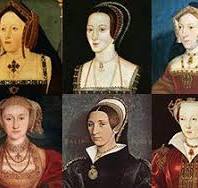
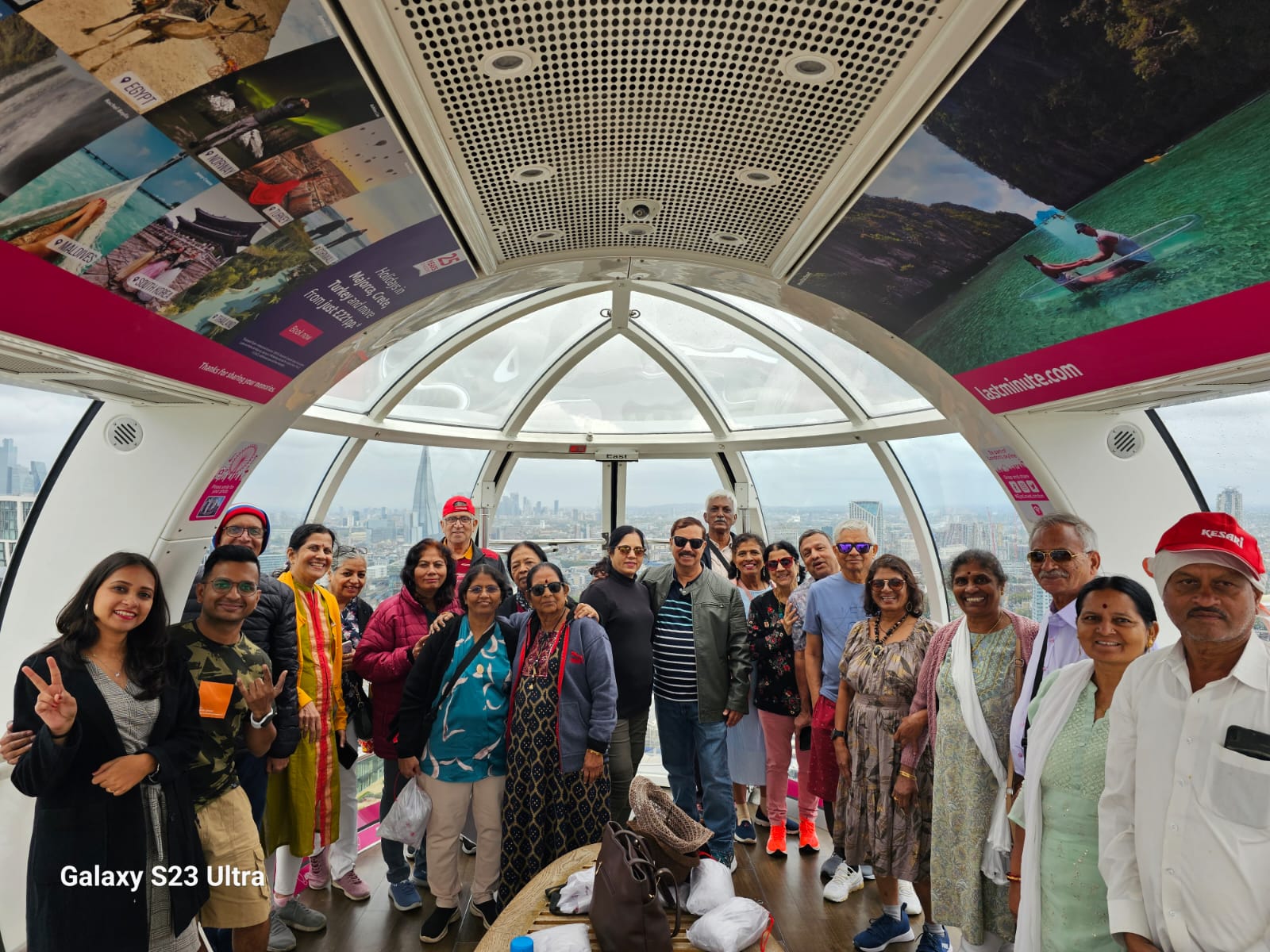
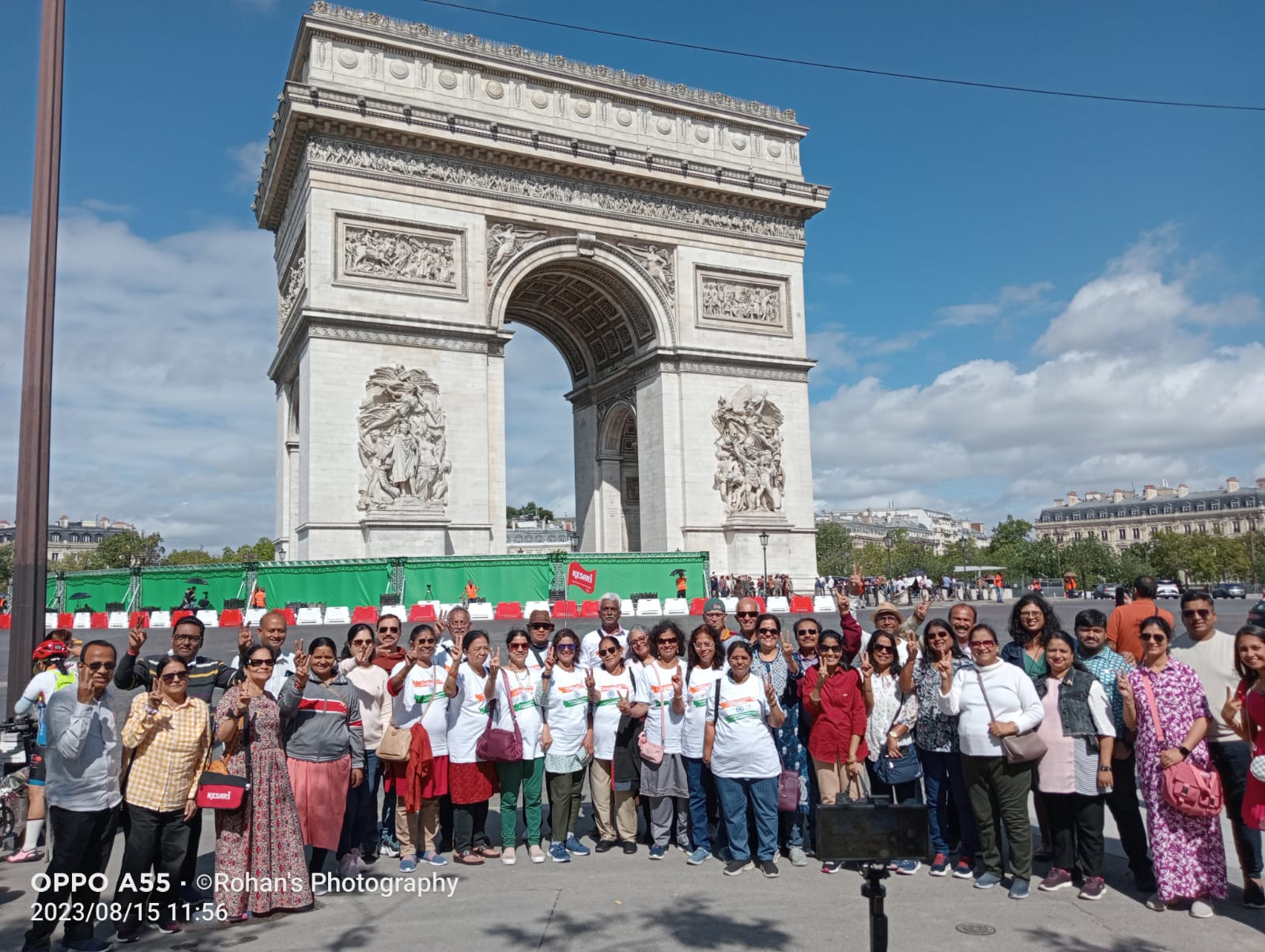
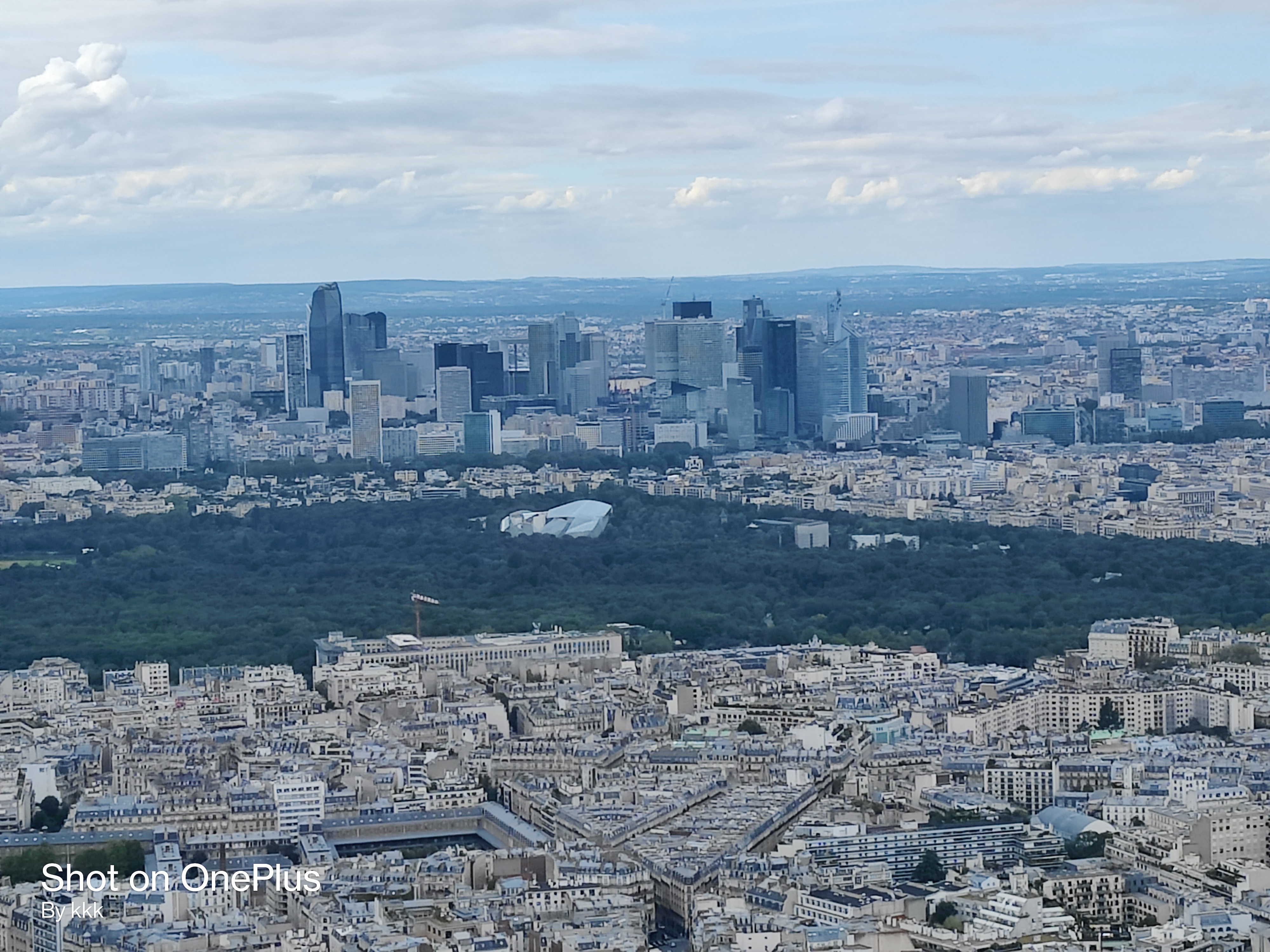


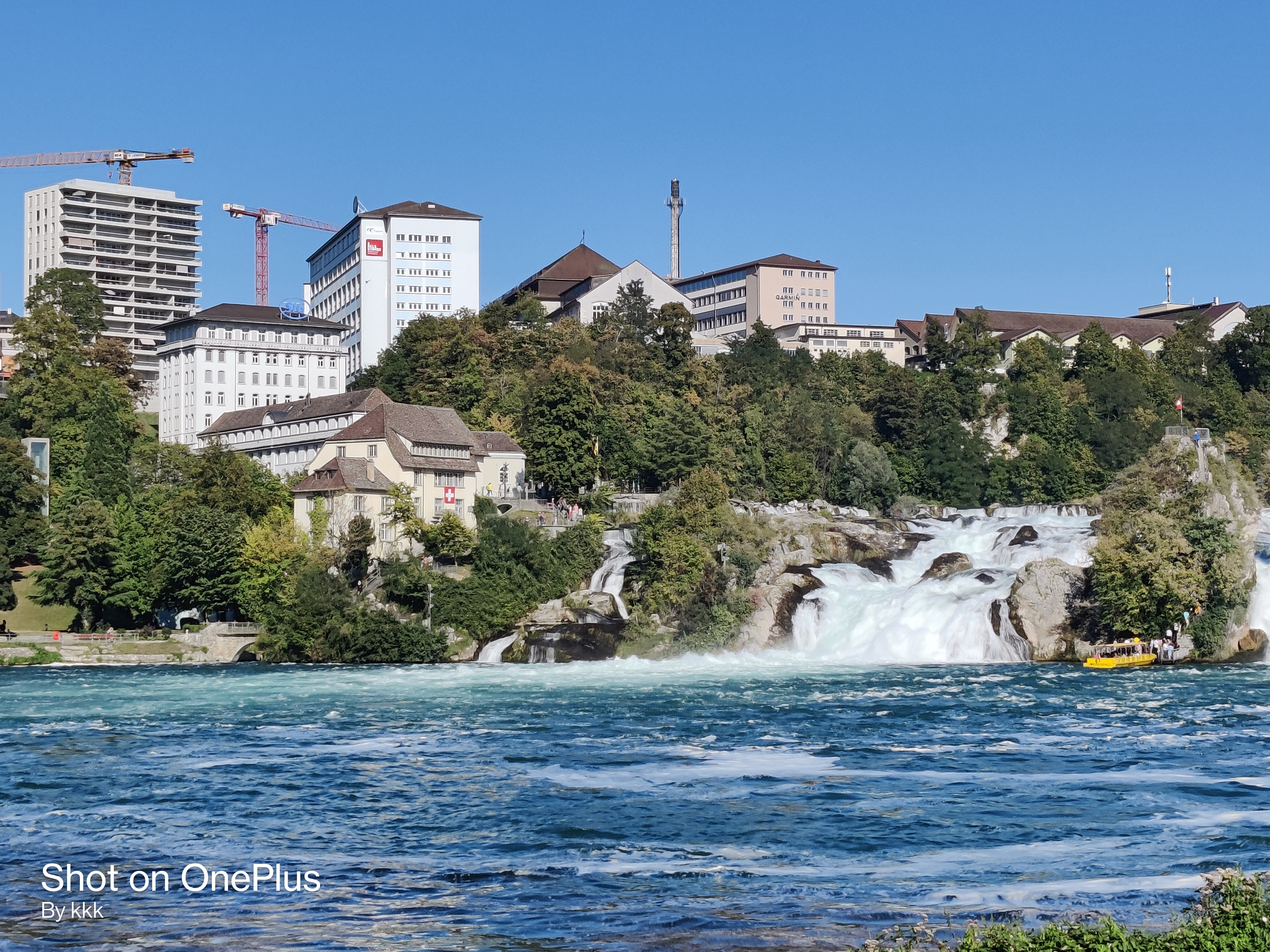

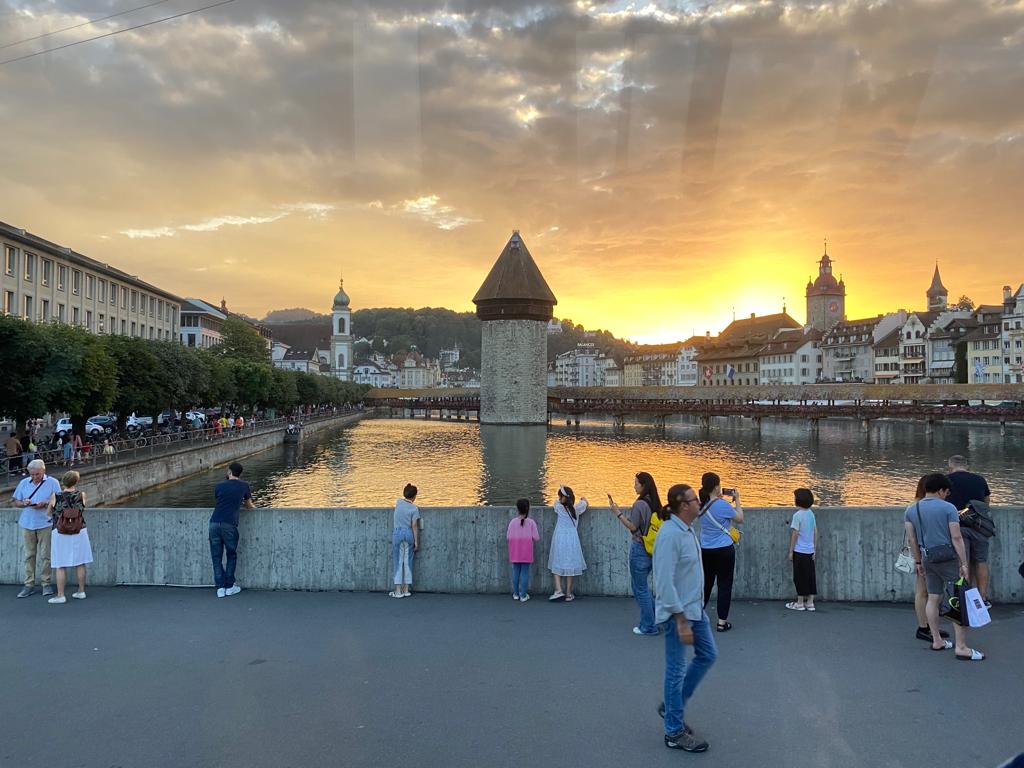
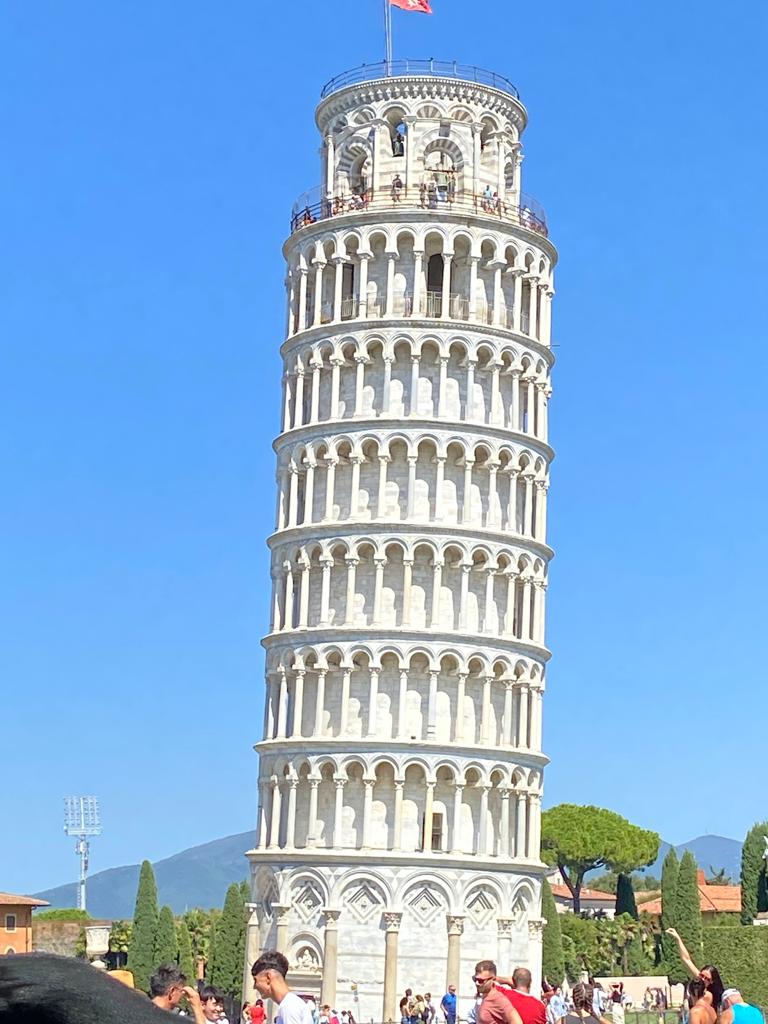
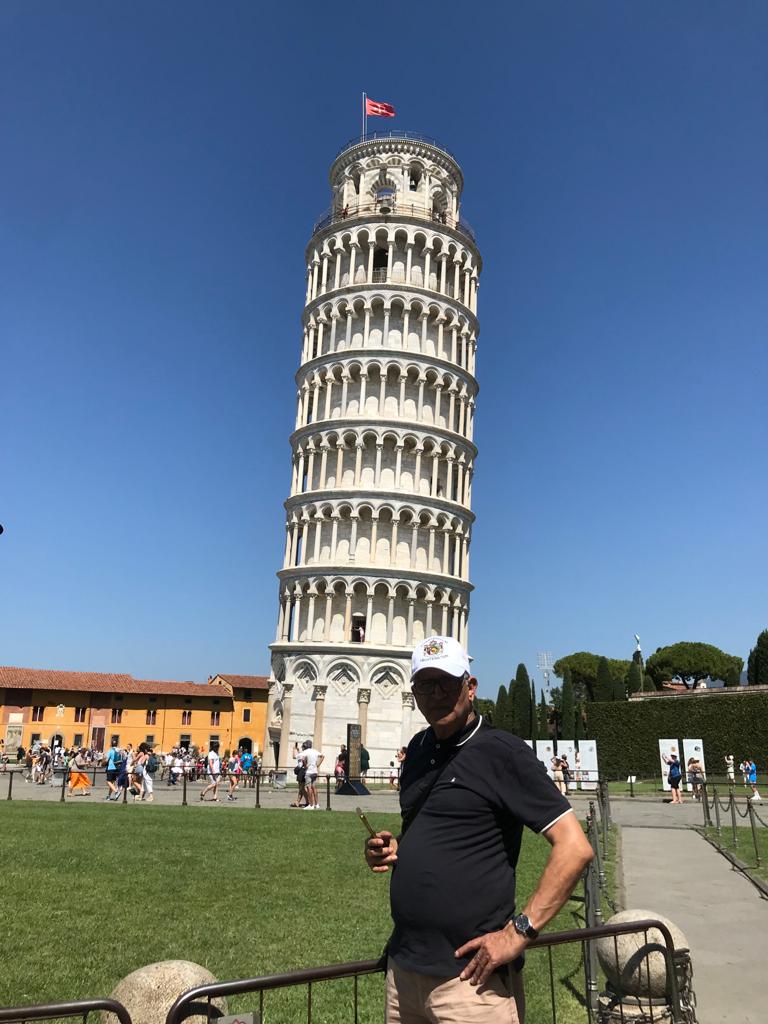
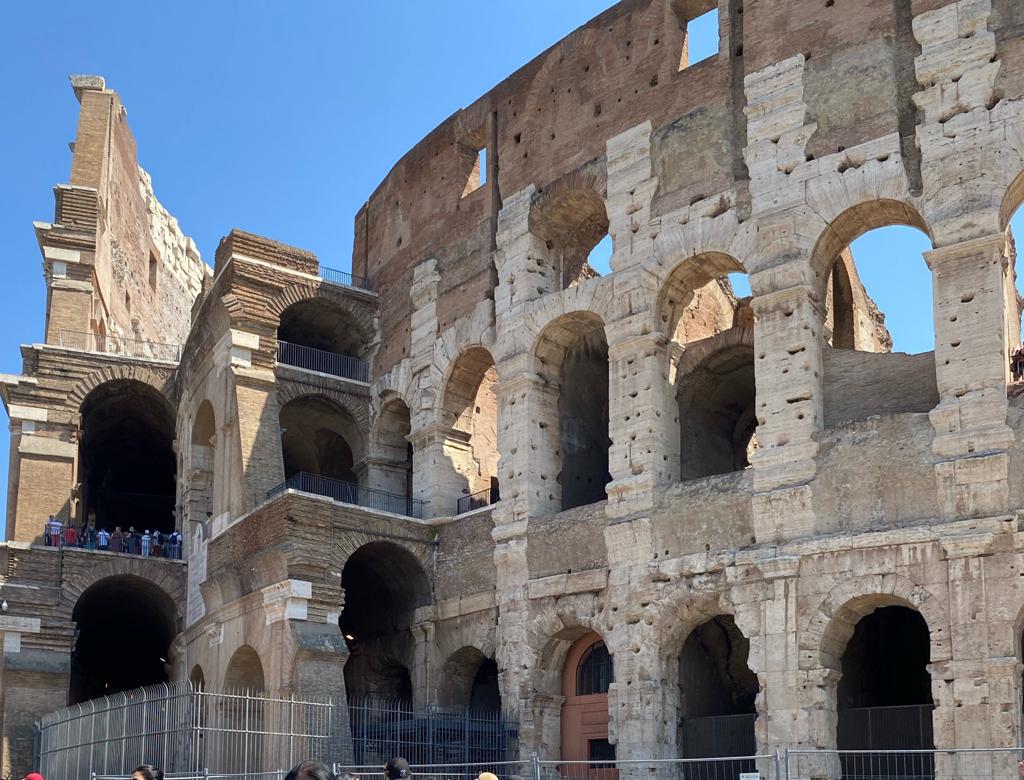
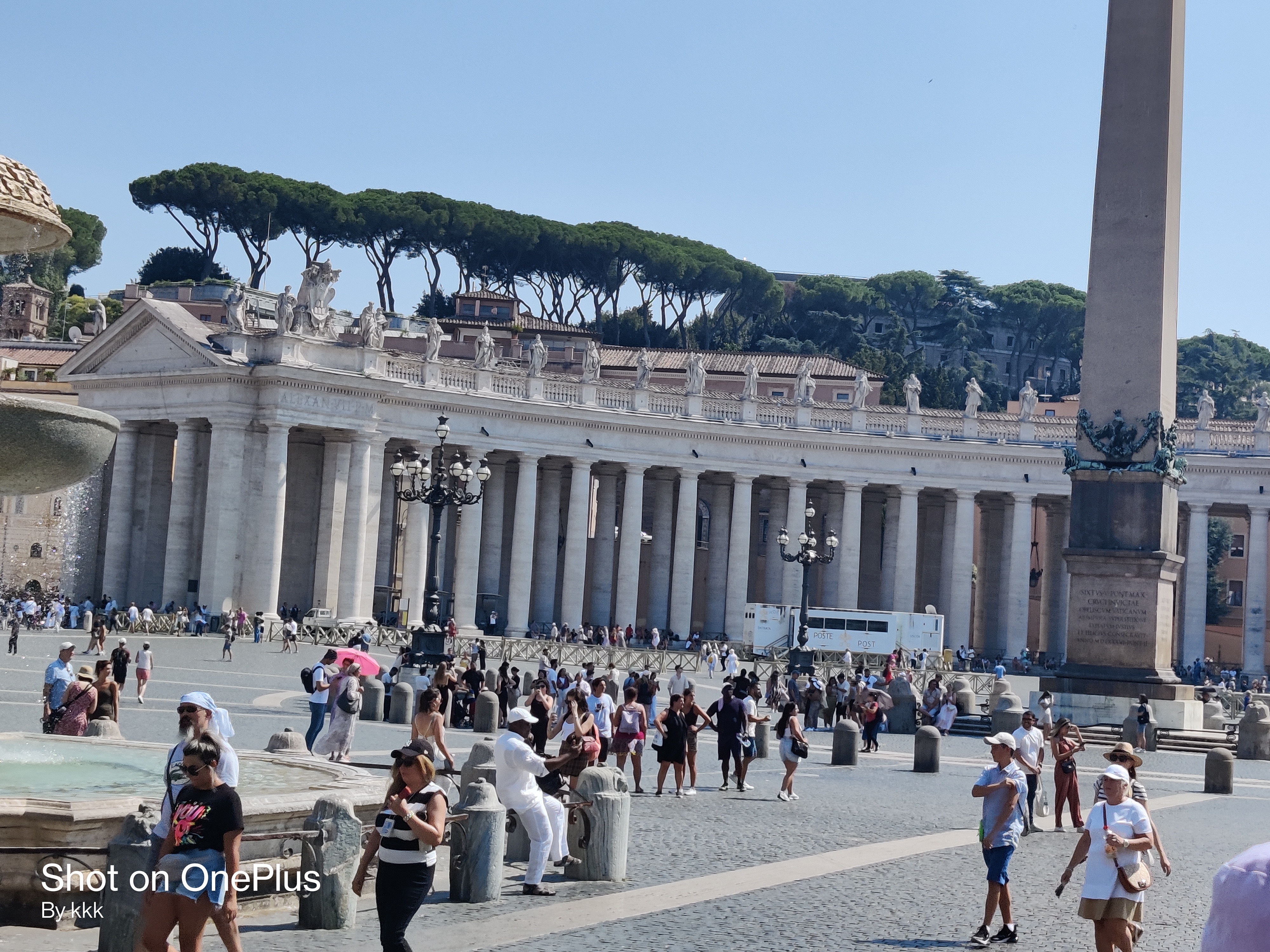

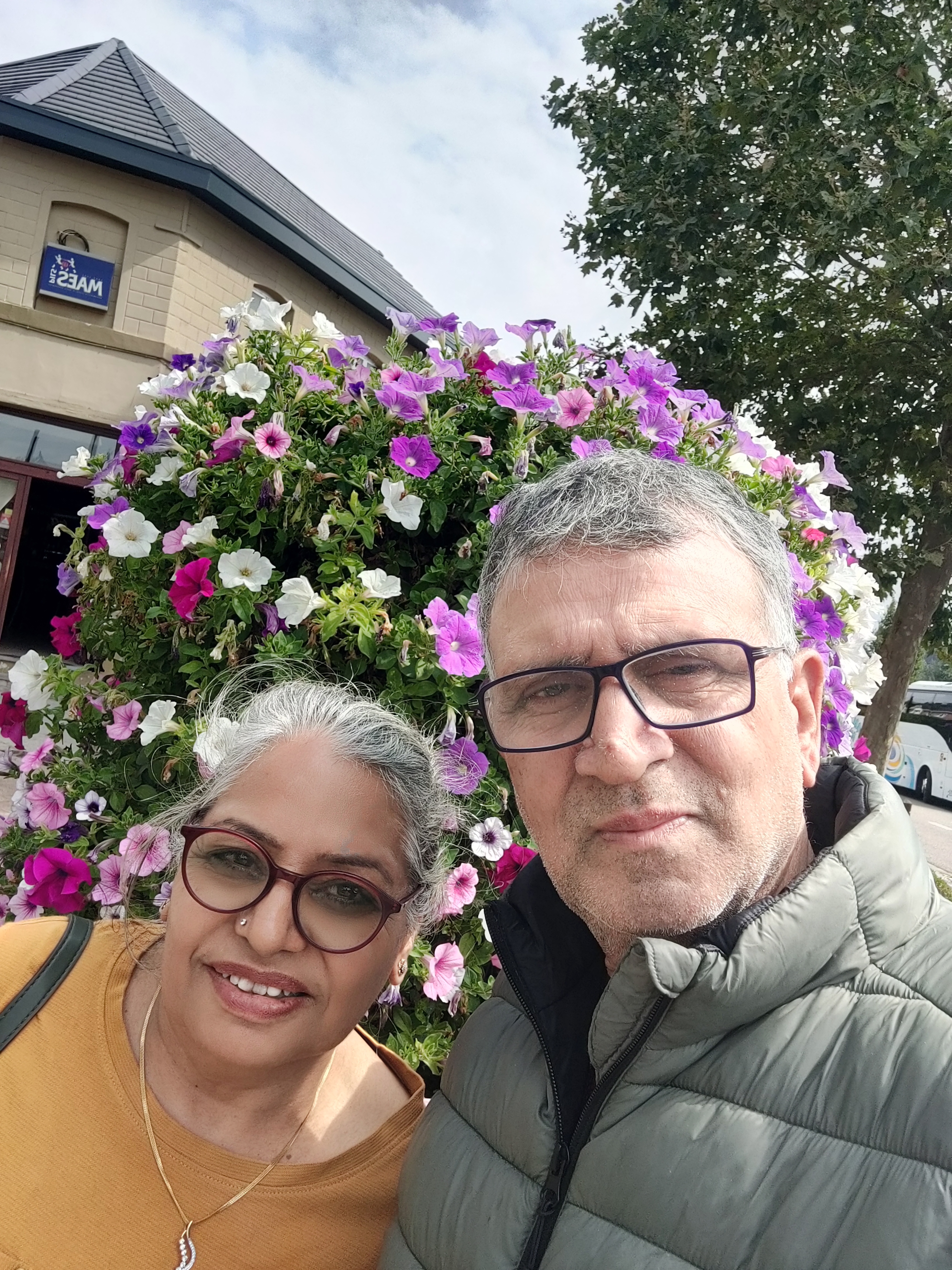

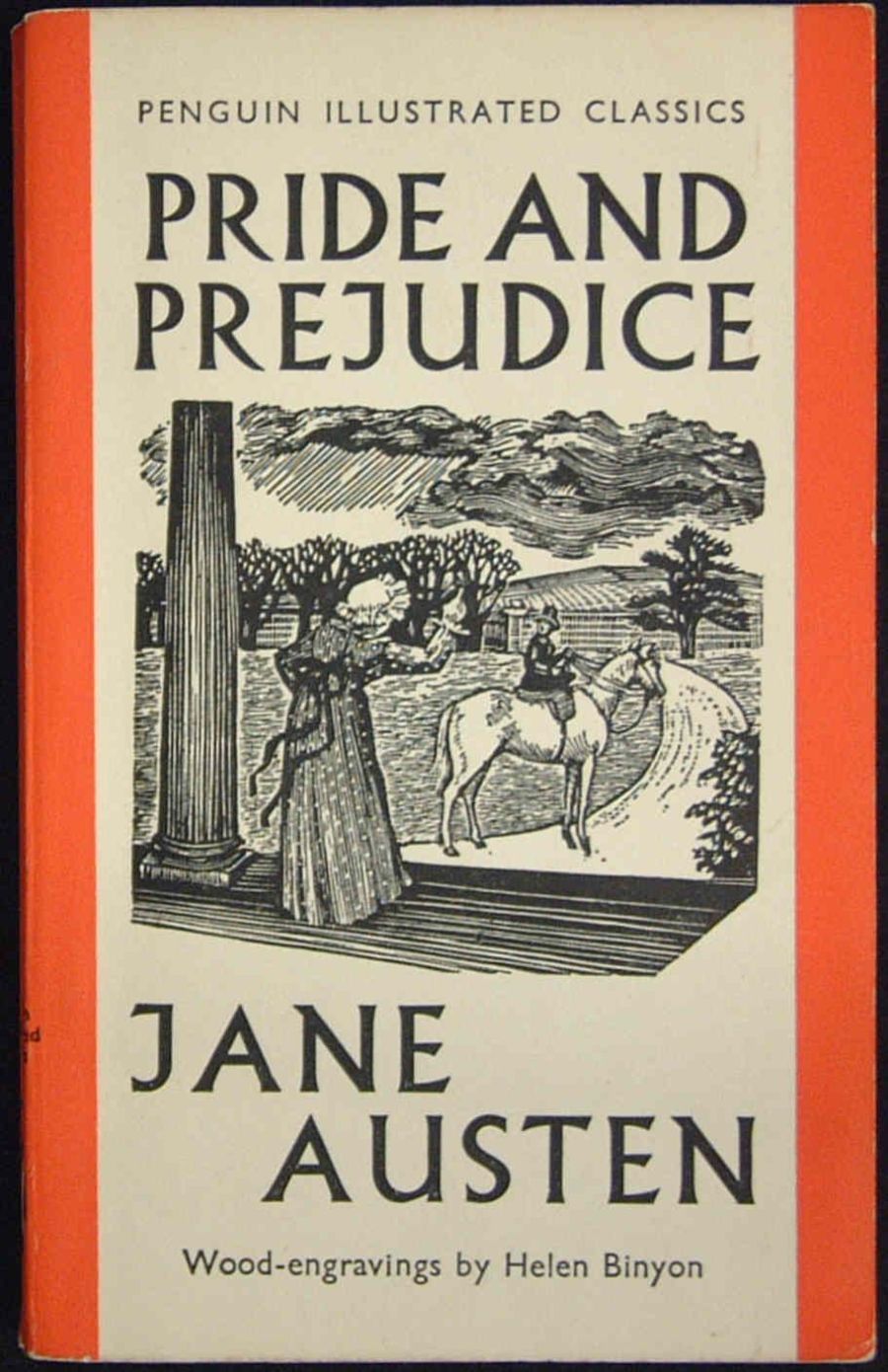






 Shravan charity mission