26/2/26 ECONOMIC TIMES MICHELANGELO HATED PAINTING THE SISTINE CHAPEL ‘The Renaissance man complained that working on the ceiling was “torture” because he was “not a painter”‘ When a red chalk drawing of a woman’s foot by Michelangelo sold at an auction for $27.2 million on February 5, it blew past all expectations. Experts believe it to be a study of the figure of the Libyan Sibyl, a female prophet who appears on the ceiling of the Sistine Chapel in Rome. Michelangelo painted the iconic frescos from 1508 to 1512, but he first sketched out the overall composition and details in a series of preparatory drawings. The sale brought attention to Michelangelo’s lifelong devotion to drawing. Papal pleas In 1506, Pope Julius II put Michelangelo’s sculpting work on the papal tomb at St Peter’s Basilica on hold, redirecting the funds to the renovation of the basilica itself. Michelangelo responded by closing his studio. He ordered his workshop assistants to sell off its contents, abandoned 90 wagonloads’ worth of marble and left Rome in disgust. In 1508, Julius and his intermediary, Cardinal Francesco Alidosi, were able to lure Michelangelo back to Rome with the promise of a 500-ducat payment and a contract to paint the Sistine. Still, sculpture, not painting, was central to Michelangelo’s identity. In a Michelangelo-approved biography by Ascanio Condivi, the artist is said to have abandoned a painter’s workshop to train in the arts patron Lorenzo de’ Medici’s Florence. He complained to his father that painting “is not my profession” and told the pope that painting “is not my art”. “I’ve grown a goitre from this torture,” he wrote to his friend Giovanni da Pistoia in an illustrated poem. “My stomach’s squashed under my chin, my beard’s pointing at heaven, my brain’s crushed in a casket, my breast twists like a harpy’s. My brush, above me all the time, dribbles paint so my face makes a fine floor for droppings!” “My painting is dead,” he concludes. “I am not in the right place – I am not a painter.” Preferring the process The poem’s accompanying caricature shows him using drawing to reflect his mind’s inner workings. His biographer Giorgio Vasari famously used the term ‘disegno’ to mean both a physical drawing and a work’s overall ‘design’. Michelangelo created many drawings for the Sistine that reflected the different meanings of disegno, including sketches of models, architectural renderings of the huge space and full-size ‘cartoons’. As such, while painting the ceiling was arduous, the process of conceiving it through drawing was obviously rewarding for him. Contrapposto, or the classical ‘counter-poise’, was the iconic stance for standing figures such as Michelangelo’s ‘David’. He made many studies for the Sistine referencing this sculptural pose. Despite the popularity of the Sistine frescoes, Michelangelo rarely returned to painting afterwards. In 1534, Pope Clement VII commissioned him to paint ‘The Last Judgment’, which he only began working on after Clement died and his successor, Pope Paul III, bestowed Michelangelo with the title of Chief Architect, Sculptor, and Painter to the Vatican Palace. In 1563, he would go on to be named master of the Accademia del Disegno in Florence, which focused on teaching drawing and design as skills necessary for sculpture, architecture and painting.
Shravan Charity Mission is an NGO that works for poor children suffering from life-threatening diseases, especially cancer. Our posts are meant for our readers, including children and adults, and have a huge variety of content. We also accept donations for our mission. Should you wish to donate to the cause of cancer? The bank details are given below:
There are two things that a man cannot do even if he devotes all his life to it. The first is he cannot read all the literature available in the world during his lifetime. The second is he cannot behold all the wonders on earth created by God Almighty. But yes he can visit many of them if he sincerely endeavours to. We attempted to do that.
On 13th August 2023, we left on a group tour of Europe. Our tour operator was Kesari Tours, Mumbai. Our first take-off was an early morning three-hour Indigo Flight from Mumbai to Doha. It landed in Doha the capital of Qatar, where we had a two-hour halt. Thereafter, we were on a Qatar Airways 7-hour flight to London.
We landed at Heathrow London, Terminal 4 at around 2.30 PM London time. It took three hours for the group to clear immigration. By the time we were out of the airport, it was 6 PM. We reached our Hotel, Holiday Inn Express Terminal 5, at seven. The check-in was followed by dinner. The day in London appeared longer than Mumbai, say till nine in the evening in August, as a result, one felt as if one had just finished lunch instead of dinner.
14.8.23: We left for local London sightseeing after an English breakfast at nine in the morning. We travelled to London City Centre crossing zone 3, 2 and 1. Our local travel guide was Sari and coach driver was Sam. We visited the Natural History Museum followed by Victoria and Albert Museum. There were several unique and brick-laden houses on the way that gave a grand look to the city. We passed through the Piccadilly Circle, Hyde Park, Hyde Corner, the statue of the Duke of Wellington straddled on his horse, the Fountain of Opera, Trafalgar Square—Nelson’s Column and its four lions considered zero miles in UK where plenty of Bollywood movies have been shot. Soon after we saw the ‘change of guard ceremony’ at 11.30 in Buckingham Palace which is held every alternate day. We were lucky to be there on the right day which was Monday. It’s an old royal tradition and we were able to video shoot the ceremony. The royal family guards change their shifts under a proper ceremony along with the marching band. The next on the sightseeing list were the Big Ben, Westminster Abbey, Parliament Square and 10 Downing Street. When I crossed the Thames River it reminded me of the old classic song, ‘Scarborough Fair’. The ‘London Eye’ was fascinating. We then saw the symbol of the two dragons indicating you’re entering London. The actual London city is colloquially called the Square Mile. It is 2.90 km square, in area.
LONDON EYE
The London Eye gives a panoramic view of the city of London. It has 32 capsules. It takes 32 minutes for a circle with 32 people, reminding you of the 32 boroughs of London. One capsule represents one borough. The next to see was the Phantom of the Opera, the tower bridge on the left of London Bridge. We drove past the London Bridge and the fire monument of the 16th century. Our lunch was at the Bangalore Express Restaurant. This was followed by a long stroll and shopping in Oxford Street, followed by dinner at the Hot Plate Restaurant and then we returned to our hotel.
15.8.23: On Independence Day we were up at three in the morning. The need was to catch the famous Eurostar train to Paris and Brussels from St. Pancras International Station, London. The train was at 7.01 AM. We left the hotel at 4.30 in a coach to be at the station by five. The security check at the railway station was quite tedious because of the heavy luggage that we were carrying. After the security, one technically leaves the territory of the U.K. and enters Europe on a Schengen visa. Twenty minutes before departure we were informed about our gate number. We sat in bogies 12 and 13 after walking past gate number 10. Soon, the Eurostar train number 9004 to Paris, left platform 10 from St Pancras Railway Station. After a point, it entered Europe leaving behind the U.K. It took 2 hours and 20 minutes to reach Paris. We were there at 10.20 AM which was exactly two hours and twenty minutes of travel time, but going by the clock it was three hours and twenty minutes because the continent of Europe is one hour ahead of the U.K. time. Our immigration process was held in London station itself. There are tunnels under the English Channel. The train crosses them in about 15-16 minutes on its way to Paris-Gare-du-Nord railway station in Paris. On the way, we ate breakfast along with hot coffee. The local tour guide in Paris was one Mr Senthil, an expat Indian from Tamilnadu. He started the city tour with a Vannakam—Tamil Namaste. Soon Paris started unfolding in front of our eyes. The tour began with the Opera House and The Greek Church—rich in Greek architecture. Then we saw the Golden Flame and the bridge where Lady Diana died in a car mishap. Then followed the Place De La Concorde Square, Macaline, Shawn Elizey, and the famous Eiffel Tower.
15TH AUGUST 2023, WITH TIRANGA FLAGS NEAR EIFFEL TOWER IN PARIS
We celebrated Independence Day with the Tiranga singing our national anthem in front of the Eiffel Tower. Later we visited Napoleon Bonaparte’s tomb in Les Invalides. Lunch was at ‘Welcome India,’ an Indian restaurant, after which at 2 PM we left for the Eiffel Tower. There was a huge crowd there with several souvenir shops. The names of Jules Verne (the author of Twenty Thousand Leagues Under the Sea) and Victor Hugo (the author of Les Miserables), both French authors, find their names mentioned in many of these shops and even in some public areas in Paris. Just as Sir Arthur Conan Doyle’s bust is seen in Baker Street, London. Do you recall the mention of Baker Street in the Sherlock Homes novels?
It took us two hours to get across the security gate alone and reach the summit level of the Eiffel Tower. The aerial view of Paris city from there was gorgeous. The summit level was earlier closed. Later they opened it. We were lucky to get the tickets for it. There is a Champagne bar there where we had a drink. The Eiffel Tower has three floors. The first level, the second level, and the summit level. The pillar elevators and the stairs take you to the first and second levels. To reach the top of the Tower from the second-floor platform, one needed to locate the separate elevator meant for it. In the same sequence, one can come down. After beholding the Eiffel Tower to our fill, we undertook a river cruise in the Seine River which was breathtaking.
THE CITY OF PARIS FROM EIFFEL TOWER SUMMIT
Our dinner was at Mewar Restaurant at 7 PM and by eight, we were back in our hotel, Novotel. The roads in Europe were quite open without traffic jams so one could accurately calculate the travel time. After an hour of free time in the hotel, we drove down to the main Paris city which included ‘The Champs-Elysees’, the main street of Paris that in some ways resembled the ‘Kartavya Path’ in New Delhi where we had a photo session in the glittering lights. After that, we went to the Eiffel Tower again. And wow!! It was an amazing sight to see the entire Tower lit up at eleven in the night. We returned to our hotel at midnight. The 15th of August was the longest day of our tour—from 3 a.m to midnight and from London to Paris.
16.8.23
The next day our coach rolled out of the hotel at 8 AM after a sumptuous continental breakfast. Soon it started negotiating the wide roads. Today, we were to travel from Paris to Brussels the capital of Belgium. Belgium is also the capital of the European Union. From Belgium we were to travel to the Netherlands. We realized the uniqueness of Europe: It was breakfast in France, lunch in Belgium and dinner in the Netherlands. It took three and a half hours from Paris to Brussels. The drive was picturesque with the ongoing green landscape and flowing rivers off and on. There was no honking. The drivers in Europe were disciplined and didn’t drive outside their lane, something that needs to be appreciated. Our coach driver was Michelle who hailed from Italy. All along there were small and big villages, all neatly manicured, and all with a church tower. The landscape was verily verdant with a river or two flowing near Belgium where we had a filling meal at the Wonders Restaurant. Thereafter we visited the city centre called the La Grand Place in Brussels, a beautiful square that houses the Town Hall, the Gilded Age houses and the circular monument. There is an old folktale behind the ‘Mannekin Pis Statue’ … ‘The Peeing Boy Statue’ at the nub of the Square. There was hectic shopping in that inviting market. There were photo-ops too followed by a session of delicious ice cream. At four in the evening, we left for Atomium, and it took us an hour to get there. It was again a photo-op point with a long history. The place houses a huge atom structure with 9 spheres and 21 cubes. It is part of the gate built in 1957 considered an icon of Belgium. After the Atomium, we left for Amsterdam, the Netherlands. We crossed Valenciennes—the France – Belgium – border. Then we crossed Breda which is the Belgium- Netherlands border. But before that, we crossed a small town called Antwerp which is famous for its diamond market. In and around Antwerp we could see many windmills, canals, lakes and village houses. My spouse and I were thrilled to see this exquisite face of nature. In the evening we entered the Netherlands through Hazeldonk. Our dinner was in an Indian Restaurant called ‘Bollywood’ in Amsterdam. By 9 PM we had checked into Amedia Hotel, Amsterdam.
17.8.23
After local sightseeing in Amsterdam, we were to travel to Germany. At 9 AM, we left for Madurodam a miniature park in Amsterdam.
MADURODAM, MINI AMSTERDAM
Madurodam Park is also called mini-Amsterdam. Amsterdam gets its water from the North Sea. It is known as the city of cycles, canals and rivers. It remotely reminds you of Venice. We entered Madurodam Park at 9.45 AM. We were supposed to be there till noon. There were many things to be seen there along with the mind-blowing landscape. Whoever built that park must have been a genius. There was a 3D flight ride in a stationery Dakota Plane with high sound effects. There was so much to photograph there, like the verdant garden with miniature canals, boats, luxury liners and the draw-bridges that lifted when the toy ships passed—a real entertainment for children and even adults. The landscaping was just awesome with miniature hills and forests and the modelling of canals, windmills and rural houses were amazing. The souvenir shops were so well laid and with so much merchandise that it could have tempted anyone to buy in droves. We were to leave the park for lunch but on that day our appointed Guru Restaurant caught fire and we were accommodated in Rangoli Restaurant. It’s so nice to see Indian cuisine reaching the nooks and corners of Europe, but you need to book it in advance because the capacities are still low. The blessing in disguise was that the Rangoli Restaurant was just a 5-minute walk from the Lovers Canal Cruise Station so we were able to meet our schedule. We reached the Restaurant at 1 PM. After a quick bite, we were at the Lovers Canal Cruise for a boat ride at 1.45 PM. The canals reminded me of the last scene (a motorboat chase) of Alistair Maclean’s famous movie ‘The Puppet on a Chain.’ Luckily we had the best of both worlds—the lunch and the canal cruise.
The Cologne Cathedral
In the afternoon we left for Germany. Our destination was Cologne. We were to visit the famous Cologne Cathedral after dinner at the Rangoli Restaurant there, (sunset in Europe is rather late during this time of the year so we could do sightseeing even after dinner). Since it was vacation time in Europe, there wasn’t much traffic either. We reached the restaurant by seven, in 4 hours. After dinner, we took a long walk to reach the Cologne Cathedral. It was still daylight. Cologne Cathedral is a unique landmark of Germany. It has a height of 157 metres and it took 650 years to build this cathedral. We clicked many pictures. Visitors who reached there early were able to enter the Cathedral to have an inside view. After visiting the Cathedral we undertook a 45-minute drive to arrive at the Mercure Hotel, in Bonn, where we checked in for the night. Most European countries are small in land area and one never comes to know when one has crossed over to another country. And while crossing over to another country your passport and visa are not checked.
18.8.23
On 18 August we were to travel across Germany through the Black Forest and reach the Rhine Fall (waterfall) in Switzerland and then to our hotel Seadamm Plaza in Pfaeffikon, Zurich. The drive was through the mystique Bavarian Alps with misty mountains and fast lane observing traffic. The weather was cold and overcast.
We started at eight in the morning, first towards the Black Forest. The Black Forest in the German language is called ‘Schwarzwald’ which is known for the Cuckoo Clock Industry, Cloud Fisheries Industry and the Black Forest Cake. The extended word is ‘Schwarzwalder Kirschtorte’, which translates into ‘Black Forest Cherry Cake’ which is the most famous sweet delicacy of that place. Cuckoo Clocks, Watchmaking, Skiing and Hiking are prime activities of the region. The Black Forest Clock Association includes producers, traders and experts. It provides certification to clock-makers who meet these requirements. All clocks are mechanical and are made by hand in Germany with wood from the Black Forest. During the World War, the area of the Black Forest in Bavaria was destroyed. People had become poor. But by starting these industries people regained their affluence. It became a major tourist centre and with that, the income of local people went up. The first stop of our journey was after 450 km which took us around five-and-a-half hours.
We reached the car park of the Cuckoo Clock factory at about 1.45 PM. The place is known as Titisee Brietnau, where clocks are manufactured. It also manufactures glass toys. We were given a live demonstration of how clocks are made. We also saw a live show of a Cuckoo Clock that squeaks and chimes at two in the afternoon and the dancing dolls come out to dance with their partners. In the deep recesses of Germany, we had a rather sumptuous lunch in great style and variety. We were served dahi vadas, veg pulao, grilled chicken, French fries, cutlets and pastries. The group shopped to its delight and was all for the traditional Cuckoo Clock.
RHINEFALL, SWITZERLAND
At 3 in the afternoon, we left for the Rhine Fall in Switzerland located in the municipality of Neuhausen Am Rhinefall. Earlier there were only rocks and stones there but when the water arrived it turned into a horizontal waterfall. At 5.40 PM we boarded a forty-seater yellow boat. It took us to the rock island at the centre of the fall. We climbed the rock island to have a three-sixty-degree view. And it was amazing. We then returned to the boarding station where we were in for a pleasant surprise as we were served Indian Masala Tea and Mumbai’s famous Vada-Pav right at the heart of the Rhine Fall in Switzerland. After the Rhine Fall, we travelled for two hours to reach our hotel Seddam Plaza in Seddam Centre in Pfäffikon, Switzerland. With that, the long journey across the Black Forest in Germany and the Rhine Fall in Switzerland came to an end.
19.8.23
19 August was the highlight day of our tour. We traveled to Mount Titlus in Switzerland. We left our hotel at 8.30 in the morning and arrived in Engelberg, which is the base camp at 10 AM. Engelberg is also called the ‘City of Angels’. From Engelberg, there are cable cars that go right up to Mount Titlis. The journey to the top can be completed in two cable car rides. Engelberg to Stands and Stands to Mount Titlis at an altitude of 10,500 feet. There is a 5-storey building on Mount Titlus. The level 1 of the building has both entry and exit gates. It also has retail shops where we went shopping and had Movenpick ice cream. The weather was unusually warm (signs of global warming). We were roaming in T-shirts without any woollens. The view from the cable car Gondola was just spectacular. We could see some people paragliding from a spot in Mount Titlis. The Titlis Cliff Walk and the Ice Cave were on the first level. We were there till 1.15 PM. Later we came down to Trusbee where we had an Indian meal of Pav-Bhaji, Dhokla, Gajar Halwa, Roti, and Rice. After lunch, we went down to Engelberg and travelled to Lucerne City. In Lucerne, we first went to the Lion Monument dedicated to the Swiss Mercenaries who were killed during the French Revolution by stealth. The sad face of the lion there is dedicated to them. Since the artist who sculpted the Lion monument was not paid his due, he was annoyed, and he cursed them by keeping the lion within the outline of the swine which is considered an abuse.Then we came to Schwanenplatz the busy market area of Lucerne. It is next to the Lucerne Lake which has a sizeable population of ducks on the shore. There was so much to shop starting from Swiss watches, knives, chocolates etc. At 6.30 we were off to a boat cruise with dinner. There we had the pleasure of listening to Swiss folklore and some special instruments. We also chorused Bollywood songs and danced on the upper deck of the boat. After enjoying the sail and dinner we left at eight for our hotel Seedamm Plaza. We were there by nine. It was the climax of our tour: Engelberg, Mount Titlis, Lion Monument, Lucerne Lake and the dinner cruise. We learnt that the government of Switzerland has installed a bust of Indian film producer Yash Chopra in the city of Interlaken for promoting Switzerland in his films.
20.8.23
On 20 August we left Switzerland at 9.30 AM for Wattens, Austria via Vaduz, the capital of Liechtenstein. Liechtenstein is a small country with a tiny population of 35000 people.
THE GROUP IN LIECHTENSTEIN
They too have their national day on 15 August. We took a guided Mini-Train tour around the city, and can you beat it, the pre-recorded running commentary in that describing the city was in Hindi of all the languages. As Indians, we felt proud. There was lots to buy in Vaaduz like liquor chocolates, garments, coins and souvenirs. There was also a big collection of stamps there for the stamp collectors. We lunched at Schlossle Mahal which is run by a chef from Assam, India. I was thrilled to meet him as I too have my roots in Assam. Moreover, he had studied at Darrang College in Tezpur, Assam. My father was the founder principal of that college in 1945. Indeed the world is small. After the splendid lunch, we departed for Austria which is landlocked with Liechtenstein. The first village that we crossed in Austria was Feldkirch which borders with Liechtenstein. We drove past the Inn River and arrived in Wattens, Austria at 4 PM. Here, we visited the Swarovski Crystal Museum, a wonderful complex. We couldn’t resist the temptation so we bought some crystal glass. Swarovski is a world-renowned brand that manufactures crystal glass. They also have showrooms in India. At 6 in the evening, we left for Innsbruck where we had a walking tour that took us to the Golden Roof, St. Jacob Dome, Inn River and Maria-Theresien Street. We clicked some pictures there. At 7.15 PM we drove to the mountain area—the top of the hill called Axams where we stayed at the Olympia Hotel which is a ski resort and where we had a filling continental dinner. In the evening there was a casual discussion on Mozart who hails from Austria. Recapping … on the 20th, we had breakfast in Switzerland, lunch in Liechtenstein and dinner in Austria.
WATTENS, AUSTRIA
21.8.23
We travelled from Austria to Italy (from Innsbruck in Austria to Venice in Italy). It was a long drive. We left at 7.30 AM to arrive at the designated restaurant for lunch by 1.15 in the afternoon. Punctuality is very important in Europe. We reached the restaurant exactly at 1 PM. The restaurant’s name was Bombay Spice. On the way, we crossed Brenner-Pass over the Alps which is the border between Austria and Italy. We drove through the Alps and finally arrived in Trento. There was a 45-minute halt there after which the Alps were left behind. The landscape re-styled after that. We crossed the city of Verona which is the village of Romeo and Juliet in William Shakespeare’s play. Post Verona, we reached Padua which is an industrial zone. We were to return here for our night halt. After Padua, there is the town of Mestre. We had lunch there in the restaurant called Bombay Spice after obtaining a permit from the checkpoint. Soon after, we left for Tronchetto in Venice where a Vaporetto boat was waiting to take us to St. Marks Island. The temperature was 39 degrees, hot and humid but the group negotiated the weather quite well. After arriving at St. Mark Island we started our walking tour. We went past the Bridge of Sighs, the Canal Grande, the Rialto Bridge, Piazzo San Marco, Santa Maria, Murano, Dodge’s Palace, St Mark’s Square, St. Mark’s Basilica, St. Mark’s Cathedral and a few more spots, all tourist attractions. In our free time there we did hectic photography and souvenir shopping. We then proceeded to Danieli from where we took the Gondola ride for about half an hour. Five people sat in one Gondola. Following that we had Gelato Icecream, and returned to Tronchetto in the same boat by six and then drove down to our hotel – 4 Points by Sheraton in Padua. The dinner was at eight. It came from the Rangoli restaurant in Padua. After dinner, we retired for the day.
22.8.23
THE LEANING TOWER OF PISA
Today, we were to travel from Padua to Pisa and then to Aritzo, the central part of Italy. It was a relaxed day. We left Padua at nine in the morning and reached Pisa at 1 PM. Pisa is famously known as the city of the Italian astronomer, Galileo Galilei. He was born there. We had lunch at Rajasthan Restaurant in the vicinity. Thereafter we explored the sight: The Square of Miracles which comprises the Leaning Tower of Pisa, the Baptistery, the Cathedral, the Campanile and the Camposanto or Cemetery. We clicked pictures galore of The Leaning Tower in a particular manner as told by Rohan our tour guide. We shopped for souvenirs, had tea, coffee and snacks and then took the Mini-Train back to the parking area where our vehicle awaited us.
THE LEANNG TOWER OF PISA–KAMLESH TRIPATHI
Soon we left for our onward destination, Aritzo. In two hours we were there. We checked into Hotel Aritzo A-Point and called it a day.
23.8.23
COLOSSEUM, ROME
We were heading to Rome from Aritzo. It was the second last day of our tour and the last night in Italy. All roads lead to Rome as they say. After reaching Rome we had a photo-stop at the Colosseum. The Colosseum is an elliptical Flavian amphitheatre in the centre of the city of Rome, just east of the Roman Forum. It is the largest ancient amphitheatre ever built in the world, despite its age. The construction of this amphitheatre was completed in 80 AD. It was constructed 2000 years ago and has a seating capacity of 50,000 to 80,000 spectators. Romans were considered cruel. They enjoyed bloodshed where male gladiators were made to fight animals, and slaves were made to fight Gladiators and in the end, whoever lost was subject to the spectator’s decision of being let off or being killed based on their thumbs up or a thumbs down. In case of thumbs down the loser used to be killed. After seeing the Colosseum we went for lunch at the Annapurna Restaurant. The good thing about Europe is that in every city you’ll find an Indian Restaurant.
St Peter’s Square, Vatican.
After lunch, we went on a guided tour to St Peter’s Basilica in the Vatican City. We were given earphones so that we could listen to our tour guide properly. We saw The Madonna della Pieta, informally known as La Pieta (Jesus in the lap of Mother Mary) a marble sculpture of Jesus and Mary at Mount Golgotha representing the “Sixth Sorrow” of the Blessed Virgin Mary by Michelangelo Buonarroti, now in Saint Peter’s Basilica, Vatican City. It is a key work of the Italian Renaissance sculpture and is often taken as the start of the High Renaissance. Down the line, we also got to see the Papal Tombs of the Popes who were buried there. Then there was the statue of the first Pope St. Peters. There was the bronze and gilded baldachin, the first work of Bernini (Bernini columns) to combine sculpture and architecture. We went past Michelangelo’s dome, columns, the Holy Water and the doors where you can wash your sins which open once in 25 years. Thereafter we had a photo session in St Peter Square and saw the two fountains created by Carlo Maderno and Gian Lorenzo Bernini. What was to follow was the residence of the earlier Pope and the gallery from where the current Pope Francis, addresses the public. After that, we left for our hotel Mercure Roma West.
AUTHOR KAMLESH TRIPATHI IN THE VATICAN
24.8.23
On the final day, we left our hotel at 11.15 AM. Lunch was in the Rome City Centre at noon. At 1.00 PM, we left for Trevi Fountain. It was a long walk to the monument as vehicles were not allowed there. We had a photo-op followed by last-minute shopping and a walking tour at 3 PM., of Rome Piazza Venezia (the square of Venice) a white-coloured monument building called the Typewriter Building or Wedding Cake Building, Mussolini’s Office, Town Hall and the Roman Forum Museum. At around 4.30 PM, we departed for Rome airport and reached there at 6 PM. We were to fly to Qatar by flight number QR 114 of Qatar Airways in the night. And from there to Mumbai on an Indigo international flight, and that was the end of this very exciting tour.
In a matter of 12 days, we drove through 10 countries and over 3000 km. This was possible only because of Kesari Tours, excellent roads, disciplined lane driving and the seamless borders of Europe.
Shravan Charity Mission is an NGO that works for poor children suffering from life-threatening diseases, especially cancer. Our posts are meant for our readers, including children and adults, and have a huge variety in content. We also accept donations for our mission. Should you wish to donate to the cause? The bank details are given below:
NAME OF ACCOUNT: SHRAVAN CHARITY MISSION
Account no: 680510110004635 (BANK OF INDIA)
IFSC code: BKID0006805
*
Kamlesh Tripathi’s Publications
GLOOM BEHIND THE SMILE
(The book is about a young cancer patient. Now archived in 8 prestigious libraries of the US which include Harvard College Library; Harvard University Library; Library of Congress; University of Washington, Seattle; University of Minnesota, Minneapolis; Yale University, New Haven; University of Chicago; University of North Carolina, at Chapel Hill University Libraries. It can also be accessed at MIT through Worldcat.org. Besides, it is also available for reading in libraries and archives of Canada; Cancer Aid and Research Foundation Mumbai; Jaipuria Institute of Management, Noida, India; Shoolini University, Yogananda Knowledge Center, Himachal Pradesh and Azim Premzi University, Bangalore).
ONE TO TANGO … RIA’S ODYSSEY
(Is a book on ‘singlehood’ about a Delhi girl now archived in Connemara Library, Chennai and Delhi Public Library, GOI, Ministry of Culture, Delhi; It is also available for reading in the Indian National Bibliography, March 2016, in the literature section, in Central Reference Library, Ministry of Culture, India, Belvedere, Kolkata-700022)
AADAB LUCKNOW … FOND MEMORIES
(Is a fiction written around the great city of Nawabs—Lucknow. It describes Lucknow in great detail and also talks about its Hindu-Muslim amity, which is the undying characteristic of Lucknow. The book was launched at the Lucknow International Literary Festival in 2014. It is included for reading in Askews and Holts Library Services, Lancashire, U.K; Herrick District Library, Holland and Charlotte-Mecklenburg Library, Mecklenburg County in North Carolina, USA; Black Gold Cooperative Library Administration, Arroyo Grande, California; Berkeley Library, University of California).
REFRACTIONS … FROM THE PRISM OF GOD
(Co-published by Cankids–Kidscan, a pan India NGO and Shravan Charity Mission, that works for child cancer in India. The book is endorsed by Ms Preetha Reddy, MD Apollo Hospitals Group. It was launched at the Lucknow International Literary Festival in 2016).
TYPICAL TALE OF AN INDIAN SALESMAN
(Is a story of an Indian salesman who is, humbly qualified. Yet he fights his way through unceasing uncertainties to reach the top. A good read not only for salesmen. The book was launched on 10th February 2018 at Gorakhpur Lit-Fest. Now available on Amazon, Flipkart and Onlinegatha)
RHYTHM … in poems
(Published in January 2019. The book contains 50 poems. The poems describe our day-to-day life. A few poems from the book have been published in Shillong Times, Bandra Times and Bhavan’s Journal. The book is available on Amazon, Flipkart and Onlinegatha)
MIRAGE
(Published in February 2020. The book is a collection of eight short stories available on Amazon, Flipkart and Notion Press)
AWADH ASSAM AND DALAI LAMA … The Kalachakra
(The story of the man who received His Holiness The Dalai Lama and his retinue in 1959 as a GOI representative when he fled Tibet in 1959. The book was launched on 21st November 2022 by His Holiness The Dalai Lama at Dharmshala. The title is archived in the library of the Department of Information and International Relations (DIIR) Government of Tibet, Tibet Policy Institute (TPI) and the personal library of His Holiness The Dalai Lama. The title is also archived in The Ohio Digital Library, USA. It was recently included in the digital library of the world-renowned company APPLE).
BHAVANS JOURNAL
Short stories, Book reviews and Articles published in Bhavan’s Journal: 1. Reality and Perception, 15.10.19; 2. Sending the Wrong Message, 31.5.20; 3.Eagle versus Scholars June, 15 & 20, 2020; 4.Indica, 15.8.20; 5.The Story of King Chitraketu, August 31 2020; 6.Breaking Through the Chakravyuh, September 30 2020. 7. The Questioning Spouse, October 31, 2020; 8. Happy Days, November 15, 2020; 9.The Karma Cycle of Paddy and Wheat, December 15, 2020; 10.Power Vs Influence, January 31, 2021; 11.Three Refugees, March 15, 2021; 12.Rise and Fall of Ajatashatru, March 31, 2021; 13.Reformed Ruler, May 15, 2021; 14.A Lasting Name, May 31, 2021; 15.Are Animals Better Teachers? June 16, 2021; 16.Book Review: The Gram Swaraj, 1.7.21; 17.Right Age for Achievements, 15.7.21; 18.Big Things Have Small Beginnings, 15.8.21; 19.Where is Gangaridai?, 15.9.21; 20.Confront the Donkey Within You 30.9.21; 21. Know Your Strengths 15.10.21; 22. Poverty 15.11.21; 23. Top View 30.11.21; 24. The Bansuriwala 15.1.22; 25.Sale of Alaska 15.2.22; 26.The Dimasa Kingdom 28.2.22; 27. Buried Treasure 15.4.22; 28. The Kingdom of Pragjyotisha 30.4.22; 29.Who is more useful? 15.5.22; 30. The White Swan from Lake Mansarovar 30.6.22; 31. Bhool Bhulayya 15.9.22; 32. Good Karma 30.9.22; 33. Good Name vs Bad Name 15.10.22; 34.Uttarapath—The Grand Trunk Road 1.12.22; 35.When Gods Get Angry 1.1.23; 36. Holinshed’s Chronicles 15.1.23; 37. Theogony 15.2.23; 38. Poem: Mother 14.5.23; 39. THE NAG MANDIR 30.6.23; 40. The Story of Garuda 30.7.23; 41. Janmabhoomi vs Karmabhoomi 31.8.23; 42. The Ghost Town of Kuldhara 15.9.23; 43. The Tale of Genji 15.10.23; 44. The Soul Connection 1.12.23;
SHILLONG TIMES—SUNDAY EDITION
ARTICLES & POEMS: 1. POEM: HAPPY NEW YEAR 8.1.23; 2. POEM: SPRING 12.3.23; 3. POEM: RIGHT AND WRONG 20.3.23; 4. THE GUSH OF EMOTION—WRITING, 26.3.23; 5. THE NAG MANDIR, 7.5.23; 6. POEM:MOTHER 7.5.23; 7. POEM: RAIN RAIN 9.7.23; 8. POEM:YOU COME ALONE YOUGO ALONE 6.8.23; 9. RAIN RAIN (SECOND TIME) 10.8.23; 10. POEM: GURU TEACHER 10.8.23; 11. POEM: AUTUMN … THE INTERIM HEAVEN 15.10.23; 12. POEM: HAPPY DIWALI 12.11.23; 13. OVERCOMING BLINDNESS: LEARN IT THE JOHN MILTON WAY 10.12.23; 14. THE HAPPY PRINCE AND THE HAPPY MAN’S SHIRT 31.12.23; 15. ANNUS MIRABILIS 2024 7.1.24; 16. GANDHI TO MAHATMA GANDHI- Incidents that Shaped Gandhi in South Africa 28.1.24;
THE ASSAM TRIBUNE
ARTICLE: 1. THE MAGIC OF READING 11.12.23; 2. GANDHI TO MAHATMA 29.1.24
29.12.2020: INDICA BY MEGASTHENES; 14.3.22: ABOUT THE DIMASA KINGDOM ASSAM; 10.12.22: GRAND TRUNK ROAD-UTTARAPATH; 5.10.23: THE GHOST TOWN OF KULDHARA NEAR JAISALMER;
(ALL THE ABOVE BOOK TITLES ARE AVAILABLE FOR SALE ON AMAZON, FLIPKART AND OTHER ONLINE STORES OR YOU COULD EVEN WRITE TO US FOR A COPY)
In today’s world, there are innumerable borders than ever before in the history of mankind. To be true in life it’s all about the borders we make and how they make us. Those human demarcations those human barriers on the ground are a source of extreme misery.
China hustles India with infrastructure build-ups, salami slicing and recurrent confrontations on the line of actual control. So it becomes a tense and ghastly activity. Another example is that of Ukraine which is being bombarded at its borders by Russia. These arbitrary lines that cleave the world have enormous power over our lives. The book combines history and reportage to explore this intricate global network of lines and their crossings.
Borders come up in areas where human beings live and move around. This barrier then limits and directs our activities. The landscape may be the same, from one blade of grass to the next, but the lines, fences, and checkpoints make it different. And that makes all the difference to human destinies. The book traces back the idea that Amitav Ghosh called the “enchantment of the lines” while writing about the Indian Partition.
Borders are the volatile flashpoints for political conflagration – but are they also the symptom or the cause of trouble one needs to examine?
Nowhere are these questions about boundaries as knotty as in Israel/Palestine. The book tracks the West Bank border where a wall has come up as a fortified line of separation. The Israeli state draws a line to cleave the territory, leaving people in an illegal limbo, and then follows up with detentions, land seizures and house demolitions.
The border wall has been disputed, segment by segment in the courts, but it keeps morphing and surviving. Israel’s obsession and surfeit of borders have made a mockery of them, bringing home the point that the only real borders are the ones we come to expect, orates the book.
The US was born out of restless borders, declaring its independence from British colonisers by refusing to be contained within its boundaries, as pointed out by the Mason-Dixon Line. The settlers’ “manifest destiny” was to claim all of North America, violently displacing Native Americans and warring with Mexico. Pushing the frontier remains essential to America’s idea of itself. And yet, it is also taken over by the ‘hypnosis of the map’. The book traces the dangerous border between the US and Mexico, where thousands of migrants have died to date trying to cross it.
The book also takes you to sites such as Melilla in Spain and Lampedusa an island near Italy, from where desperate migrants and refugees try to make it to Europe. Masses of people scale fences and razor wire and brave military police, knowing some of them will be picked up, yet gambling and getting through. The darkness and uncertainty of these places make them a fertile ground for far-right parties and movements. Throughout history, wherever physical barriers are erected, they provide clashes between people trying to cross over. In this book, James Crawford argues that our enduring obsession with borders has brought us to a crisis point: We are now entering the endgame of a process that began thousands of years ago when we first started dividing the earth.
The book explores the notion of borders not just as physical walls, but also as other kinds of fortification and defence. The Great Firewall of China is a national barrier in cyberspace. It filters content unwanted by the authorities and nurtures China’s own internet companies. It also explores the ‘cordon sanitaire’ that arose to defend against pandemics.
Meanwhile, climate change is shifting landscapes and changing borders too. The Alpine watershed between Italy and Austria is literally melting. In the Sahara, the Great Green Wall is an experiment in tree planting, an attempt to stave off the desertification off the coast. It’s a wall that doesn’t divide people but unites them under a common goal.
The book is wide-ranging. Its basic message is about how humans define borders, and then they define us.
Beginning with the earliest known marker which denoted the end of one land and the beginning of the next, the author follows the story of borders into our fragile and uncertain future – towards the virtual frontiers of the internet, and the shifting geography of a world beset by climate change.
In the process, the author travels to many borders old and new. From a melting border high in the glacial landscapes of the Austrian-Italian Alps to the only place on land where Europe and Africa meet; from the artist Banksy’s ‘Walled Off Hotel’ in the conflict-torn West Bank to the Sonoran Desert and the fault lines of the US/Mexico border. Combining history, travel and reportage, The Edge of the Plain explores how borders have grown and evolved to control our landscapes, memories, identities and destinies. As nationalism, climate change, globalisation, technology and mass migration all collide with ever-hardening borders, something has to break. Can we let go of the lines that separate us? Or are we fated to repeat the mistakes of the past, as our angry, warming and segregated planet lurches towards catastrophe?
Shravan Charity Mission is an NGO that works for poor children suffering from life threatening diseases especially cancer. Our posts are meant for our readers that includes both children and adults and it has a huge variety in terms of content. We also accept donations for our mission. Should you wish to donate for the cause. The bank details are given below:
NAME OF ACCOUNT: SHRAVAN CHARITY MISSION
Account no: 680510110004635 (BANK OF INDIA)
IFSC code: BKID0006805
*
Our Publications
GLOOM BEHIND THE SMILE
(The book is about a young cancer patient. Now archived in 8 prestigious libraries of the US that includes Harvard College Library; Harvard University Library; Library of Congress; University of Washington, Seattle; University of Minnesota, Minneapolis; Yale University, New Haven; University of Chicago; University of North Carolina, at Chapel Hill University Libraries. It can also be accessed in MIT through Worldcat.org. Besides, it is also available for reading in libraries and archives of Canada, Cancer Aid and Research Foundation Mumbai; Jaipuria Institute of Management, Noida; India. Shoolini University, Yogananda Knowledge Center, Himachal Pradesh and Azim Premzi University, Bangalore).
ONE TO TANGO … RIA’S ODYSSEY
(Is a book on ‘singlehood’ about a Delhi girl now archived in Connemara Library, Chennai and Delhi Public Library, GOI, Ministry of Culture, Delhi; Available for reading in Indian National Bibliography, March 2016, in the literature section, in Central Reference Library, Ministry of Culture, India, Belvedere, Kolkata-700022)
AADAB LUCKNOW … FOND MEMORIES
(Is a fiction written around the great city of Nawabs—Lucknow. It describes Lucknow in great detail and also talks about its Hindu-Muslim amity. That happens to be the undying characteristics of Lucknow. The book was launched in Lucknow International Literary Festival of 2014. It is included for reading in Askews and Holts Library Services, Lancashire, U.K; Herrick District Library, Holland and Charlotte-Mecklenburg Library, Mecklenburg County in North Carolina, USA; Black Gold Cooperative Library Administration, Arroyo Grande, California).
REFRACTIONS … FROM THE PRISM OF GOD
(Co-published by Cankids–Kidscan, a pan India NGO and Shravan Charity Mission, that works for Child cancer in India. The book is endorsed by Ms Preetha Reddy, MD Apollo Hospitals Group. It was launched in Lucknow International Literary Festival 2016)
TYPICAL TALE OF AN INDIAN SALESMAN
(Is a story of an Indian salesman who is, humbly qualified. Yet he fights his way through unceasing uncertainties to reach the top. A good read not only for salesmen. The book was launched on 10th February 2018 in Gorakhpur Lit-Fest. Now available on Amazon, Flipkart and Onlinegatha)
RHYTHM … in poems
(Published in January 2019. The book contains 50 poems. The poems describe our day-to-day life. The book is available on Amazon, Flipkart and Onlinegatha)
MIRAGE
(Published in February 2020. The book is a collection of eight short stories available in Amazon, Flipkart and Notion Press)
AWADH ASSAM AND DALAI LAMA … The Kalachakra
(The story of the man who received His Holiness The Dalai Lama and his retinue in 1959 as a GOI representative when he fled Tibet in 1959. The book was launched on 21st November 2022 by His Holiness The Dalai Lama at Dharmshala. The titled is archived in the library of the Department of Information and International Relations (DIIR) Government of Tibet, Tibet Policy Institute (TPI) and the personal library of His Holiness. The title is also archived in The Ohio Digital Library, USA).
BHAVANS JOURNAL
Short stories, Book reviews and Articles published in Bhavan’s Journal: 1. Reality and Perception, 15.10.19; 2. Sending the Wrong Message, 31.5.20; 3.Eagle versus Scholars June, 15 & 20 2020; 4.Indica, 15.8.20; 5.The Story of King Chitraketu, August 31 2020; 6.Breaking Through the Chakravyuh, September 30 2020. 7. The Questioning Spouse, October 31, 2020; 8. Happy Days, November 15, 2020; 9.The Karma Cycle of Paddy and Wheat, December 15, 2020; 10.Power Vs Influence, January 31, 2021; 11.Three Refugees, March 15, 2021; 12.Rise and Fall of Ajatashatru, March 31, 2021; 13.Reformed Ruler, May 15, 2021; 14.A Lasting Name, May 31, 2021; 15.Are Animals Better Teachers?, June 16, 2021; 16.Book Review: The Gram Swaraj, 1.7.21; 17.Right Age for Achievements, 15.7.21; 18.Big Things Have Small Beginnings, 15.8.21; 19.Where is Gangaridai?, 15.9.21; 20.Confront the Donkey Within You 30.9.21; 21. Know Your Strengths 15.10.21; 22. Poverty 15.11.21; 23. Top View 30.11.21; 24. The Bansuriwala 15.1.22; 25.Sale of Alaska 15.2.22; 26.The Dimasa Kingdom 28.2.22; 27. Buried Treasure 15.4.22; 28. The Kingdom of Pragjyotisha 30.4.22; 29.Who is more useful? 15.5.22; 30. The White Swan from Lake Mansarovar 30.6.22; 31. Bhool Bhulayya 15.9.22; 32. Good Karma 30.9.22; 33. Good name vs Bad Name 15.10.22; 34.Uttarapath—The Grand Trunk Road 1.12.22; 35.When Gods Get Angry 1.1.23; 36. Holinshed’s Chronicles 15.1.23; 37. Theogony 15.2.23
SUNDAY SHILLONG TIMES
ARTICLES & POEMS: 1. POEM: HAPPY NEW YEAR 8.1.23; 2. POEM: SPRING 12.3.23; 3. POEM: RIGHT AND WRONG 20.3.23, 4. THE GUSH OF EMOTION—WRITING, 26.3.23;
BANDRA TIMES, MUMBAI
ARTICLES & POEMS: 1. POEM SPRING, 1.4.23;
(ALL THE ABOVE BOOK TITLES ARE AVAILABLE FOR SALE ON AMAZON, FLIPKART AND OTHER ONLINE STORES OR YOU COULD EVEN WRITE TO US FOR A COPY)
From influencing the weather patterns in the continent to being a major source of water, and hosting, a variety of flora and fauna, the Alps plays a significant role in the natural environment of the region. The Alps are the highest and most extensive mountain range system that lies entirely in Europe.
Located completely in the continent of Europe, the Alps mountain range, stretches, approximately 1200 km (750 miles) across eight Alpine countries from the west to the east ie. France, Switzerland, Monaco, Italy, Liechtenstein—a German-speaking 25km-long principality between Austria and Switzerland, Austria, Germany and Slovenia. Little known Slovenia is a country in Central Europe. It is known for its mountains, ski resorts and lakes. Though the Alps stretches across several countries from France to Albania, Switzerland and Austria are considered the Alpine heartland. The word Alpine suggests or insinuates ‘of the Alps.’ At its widest, the Alps is spread more than 200 km, making the total area of the region nearly 2,00,000 sq. km. Given its vastness, a minimum of 75 summits in the region are believed to be 4,000 mts above sea level. The Alps is very crucial to Europe due to several reasons such as the source of water for drinking, irrigation, and hydroelectric power. The Alps is marked by varied mountain elevations, giving rise to diverse and contrasting natural topography and climate. Given that this range is also a source of many European rivers, it has a significant role to play in the continent’s natural environment.
Nearly 35% of Europe’s plant species can be found in the Alps, with more than 300 of them endemic to the region. This is indicative of a healthy and diverse ecosystem rich in not just plant life but also animal life. Despite the landscapes experiencing extreme weather, the Alps nurtures a wide variety of wildlife. Nearly 30,000 wild species are said to have been identified in the region, out of which over 50% are invertebrates. More than a dozen species of reptiles and amphibians each can be found in the region, in addition to over 75 species each of mammals and fish. Also, the region welcomes nearly 200 varieties of nesting birds. Some of the most prominent species in the area are red deer, fox, bear, chamois—an agile goat-antelope with short hooked horns, ibex—a wild mountain goat with long, thick ridged horns and a beard), wild sheep, bear, wolf, lynx—a wild cat, mountain hare, and marmot—a heavily built rodent. Birds such as golden eagle, bearded vultures, ptarmigan—a medium to large game bird with a plump body and feathered legs, and black grouse—another variety of a game bird are also found in the region.
The earliest travellers to the Alps are said to have been drawn to its pristine beauty. But, time and again, it has been proven that human presence invariably has a negative impact on any region. And the signs of this was first visible around the mid-20th century in the Alps. As more and more people visited Alps, its degradation began. Pollution of air and water, and tangible noise pollution too are said to have been increasing since. There is also been a spike in the amount of biodegradable and non-biodegradable waste in the region, affecting both the local people and the flora and fauna. Further, the setting up of resorts, roads, and skiing slopes, have increased the frequency of slope erosion. Not just that, such constructions also cause fragmentation of habitats for the wildlife. Also with increase in population, forests and riparian lands are turned into agricultural lands or residential areas. This alters waterways, changing the natural environment of the region, affecting both humans and wildlife. Most importantly, global warming has been particularly impacting mountain ranges worldwide, and it is no different in the Alps. Changes in the patterns of rain and snow have been observed, and extreme weather events such as floods and avalanches have shown frequencies and intensities not witnessed earlier.
The Alpine region has a strong cultural identity. The traditional culture of farming, cheese-making, and woodworking still exists in Alpine villages, although the tourist industry began to grow early in the 20th century and expanded greatly after World War II to become the dominant industry by the end of the century. The Winter Olympic Games have been hosted in the Swiss, French, Italian, Austrian and German Alps. At present, the region is home to 14 million people and has 120 million annual visitors.
Shravan Charity Mission is an NGO that works for poor children suffering from life threatening diseases especially cancer. Our posts are meant for our readers that includes both children and adults and it has a huge variety in terms of content. We also accept donations for our mission. Should you wish to donate for the cause. The bank details are given below:
NAME OF ACCOUNT: SHRAVAN CHARITY MISSION
Account no: 680510110004635 (BANK OF INDIA)
IFSC code: BKID0006805
*
Our Publications
GLOOM BEHIND THE SMILE
(The book is about a young cancer patient. Now archived in 8 prestigious libraries of the US that includes Harvard College Library; Harvard University Library; Library of Congress; University of Washington, Seattle; University of Minnesota, Minneapolis; Yale University, New Haven; University of Chicago; University of North Carolina, at Chapel Hill University Libraries. It can also be accessed in MIT through Worldcat.org. Besides, it is also available for reading in libraries and archives of Canada, Cancer Aid and Research Foundation Mumbai and Jaipuria Institute of Management, Noida, India. Shoolini University, Yogananda Knowledge Center, Himachal Pradesh. Azim Premzi University, Bangalore).
ONE TO TANGO … RIA’S ODYSSEY
(Is a book on ‘singlehood’ about a Delhi girl now archived in Connemara Library, Chennai and Delhi Public Library, GOI, Ministry of Culture, Delhi; Available for reading in Indian National Bibliography, March 2016, in the literature section, in Central Reference Library, Ministry of Culture, India, Belvedere, Kolkata-700022)
AADAB LUCKNOW … FOND MEMORIES
(Is a fiction written around the great city of Nawabs—Lucknow. It describes Lucknow in great detail and also talks about its Hindu-Muslim amity. That happens to be the undying characteristics of Lucknow. The book was launched in Lucknow International Literary Festival of 2014. It is included for reading in Askews and Holts Library Services, Lancashire, U.K.)
REFRACTIONS … FROM THE PRISM OF GOD
(Co-published by Cankids–Kidscan, a pan India NGO and Shravan Charity Mission, that works for Child cancer in India. The book is endorsed by Ms Preetha Reddy, MD Apollo Hospitals Group. It was launched in Lucknow International Literary Festival 2016)
TYPICAL TALE OF AN INDIAN SALESMAN
(Is a story of an Indian salesman who is, humbly qualified. Yet he fights his ways through unceasing uncertainties to reach the top. A good read not only for salesmen. The book was launched on 10th February, 2018 in Gorakhpur Lit-Fest. Now available in Amazon, Flipkart and Onlinegatha)
RHYTHM … in poems
(Published in January 2019. The book contains 50 poems. The poems describe our day to day life. The book is available in Amazon, Flipkart and Onlinegatha)
MIRAGE
(Published in February 2020. The book is a collection of eight short stories available in Amazon, Flipkart and Notion Press)
Short stories and Articles published in Bhavan’s Journal: Reality and Perception, 15.10.19; Sending the Wrong Message, 31.5.20; Eagle versus Scholars June, 15 & 20 2020; Indica, 15.8.20; The Story of King Chitraketu, August 31 2020; Breaking Through the Chakravyuh, September 30 2020. The Questioning Spouse, October 31, 2020; Happy Days, November 15, 2020; The Karma Cycle of Paddy and Wheat, December 15,2020; Power Vs Influence, January 31, 2021; Three Refugees, March 15, 2021; Rise and Fall of Ajatashatru, March 31, 2021;
(ALL THE ABOVE TITLES ARE AVAILABLE FOR SALE IN AMAZON, FLIPKART AND OTHER ONLINE STORES OR YOU COULD EVEN WRITE TO US FOR A COPY)
Shravan Charity Mission is an NGO that works for poor children suffering from life threatening diseases especially cancer. Our posts are meant for our readers that includes both children and adults and it has a huge variety in terms of content. We also accept donations for our mission. Should you wish to donate for the cause. The bank details are given below:
NAME OF ACCOUNT: SHRAVAN CHARITY MISSION
Account no: 680510110004635 (BANK OF INDIA)
IFSC code: BKID0006805
*
Our publications
GLOOM BEHIND THE SMILE
(The book is about a young cancer patient. Now archived in 7 prestigious libraries of the US, including, Harvard University and Library of Congress. It can also be accessed in MIT through Worldcat.org. Besides, it is also available for reading in Libraries and archives of Canada and Cancer Aid and Research Foundation Mumbai)
ONE TO TANGO … RIA’S ODYSSEY
(Is a book on ‘singlehood’ about a Delhi girl now archived in Connemara Library, Chennai and Delhi Public Library, GOI, Ministry of Culture, Delhi)
AADAB LUCKNOW … FOND MEMORIES
(Is a fiction written around the great city of Nawabs—Lucknow. It describes Lucknow in great detail and also talks about its Hindu-Muslim amity. That happens to be its undying characteristic. The book was launched in Lucknow International Literary Festival of 2014)
REFRACTIONS … FROM THE PRISM OF GOD
(Co-published by Cankids–Kidscan, a pan India NGO and Shravan Charity Mission, that works for Child cancer in India. The book is endorsed by Ms Preetha Reddy, MD Apollo Hospitals Group. It was launched in Lucknow International Literary Festival 2016)
TYPICAL TALE OF AN INDIAN SALESMAN
(Is a story of an Indian salesman who is, humbly qualified. Yet he fights his ways through unceasing uncertainties to reach the top. A good read not only for salesmen. The book was launched on 10th February, 2018 in Gorakhpur Lit-Fest. Now available in Amazon, Flipkart and Onlinegatha)
RHYTHM … in poems
(Published in January 2019. The book contains 50 poems. The poems describe our day to day life. The book is available in Amazon, Flipkart and Onlinegatha)
MIRAGE
(Published in February 2020. The book is a collection of eight short stories. It is available in Amazon, Flipkart and Notion Press)
(ALL THE ABOVE TITLES ARE AVAILABLE FOR SALE IN AMAZON, FLIPKART AND OTHER ONLINE STORES OR YOU COULD EVEN WRITE TO US FOR A COPY)
In this dismaying season of Covid-19 here are a few facts about The Spanish Flu.
The Spanish flu also known as the 1918 flu pandemic was an unusually deadly influenza pandemic. An influenza pandemic is an epidemic of an influenza virus that spreads on a worldwide scale and infects a large proportion of the world population. Lasting from January 1918 to December 1920, it infected some 500 million people – say about a quarter of the world’s population at that time. The death toll is estimated to have been anywhere from 17 million to 50 million, and possibly as high as 100 million, making it one of the deadliest pandemics in human history, behind the Black Death.
The Black Death, has many names such as Pestilence, the Great Bubonic Plague, the Great Plague or simply the Plague, or less commonly the Great Mortality or the Black Plague. It was the most devastating pandemic recorded in human history, resulting in the deaths of an estimated 75 to 200 million people in Eurasia, peaking in Europe from 1347 to 1351.
What is Eurasia? Eurasia is the largest continental area on Earth, comprising all of Europe and Asia. Located primarily in the Northern and Eastern Hemispheres, it is bordered by the Atlantic Ocean on the west, the Pacific Ocean on the east, the Arctic Ocean on the north, and by Africa, the Mediterranean Sea, and the Indian Ocean in the south.
The bacterium Yersinia pestis is a kind of organism, which results in several forms of plagues such as septicemic, pneumonic and the most common bubonic. The Black Death was the first major European outbreak of plague and the second plague pandemic. The first being the Plague of Justinian.
The Plague of Justinian (541–542 AD, with recurrences until 750) was a pandemic that afflicted the Byzantine (Eastern Roman) Empire and especially its capital, Constantinople, as well as the Sasanian Empire and port cities around the entire Mediterranean Sea, as merchant ships harboured rats with plague that came from fleas a small flightless insect. Some historians believe the plague of Justinian was one of the deadliest pandemics in history, resulting in the deaths of an estimated 25–100 million people during the two centuries of recurrence, a death toll equivalent to as much as half of Europe’s population at the time of, the first outbreak. The plague’s social and cultural impact has been compared to that of the Black Death, that devastated Eurasia in the fourteenth century, but research published in 2019 argued that the plague’s death toll and social effects have been exaggerated.
The plague created religious, social, and economic upheavals, with profound effects in the course of European history.
The Black Death probably originated in Central Asia or East Asia, from where it travelled along the Silk Road, reaching Crimea (a peninsula located on the northern coast of the Black Sea in in Eastern Europe) by 1343. From there, it was most likely carried by fleas again–a small wingless jumping insect that feeds on the blood of mammals and birds. It at times transmitted diseases through its bite also, including plague and myxomatosis, and lived on black rats that travelled on Genoese merchant ships of, The Republic of Genoa that lies in present day Italy and was an independent state from 1005 to 1797 on the north western Italian coast, incorporating Corsica an island, from 1347 to 1768, and numerous other territories, throughout the Mediterranean, reaching the rest of Europe via the Italian Peninsula.
The Black Death also travelled through The Silk Road. Silk Road was a network of trade routes that connected the East and West, and was central to the economic, cultural, political, and religious interactions between these regions from the 2nd century BCE up to the 18th century. The Silk Road primarily refers to the land routes connecting East Asia and Southeast Asia with South Asia, Persia, the Arabian Peninsula, East Africa and Southern Europe.
The Black Death is estimated to have killed 30 to 60% of Europe’s population. In total, the plague may have reduced the world population from an estimated 475 million to 350–375 million in the 14th century. It took 200 years for Europe’s population to recover to its previous level, and some regions such as Florence did not recover until the 19th century. Outbreaks of the plague recurred until the early 20th century. The point to note is that, even in Covid-19 pandemic, both Spain and Italy are very badly affected.
To maintain the morale, World War I censors minimized early reports of illness and mortality in Germany, the United Kingdom, France, and the United States. But newspapers were free to report the epidemic’s effects in neutral Spain, such as the grave illness of King Alfonso XIII, and these stories created a false impression of Spain as especially hard hit. This gave rise to the name Spanish flu. This indeed is the reason why countries don’t want to name pandemics on names of countries. American President Donald Trump called Covid 19 as a Chinese Virus for which there was a lot of criticism. Historical and epidemiological data are inadequate to identify with certainty the pandemic’s geographic origin, with varying views to its exact location.
Most influenza outbreaks disproportionately kill the very young and the very old, with a higher survival rate for those in between, but the Spanish flu pandemic resulted in a higher than expected mortality rate for young adults. Scientists offer several possible explanations for the high mortality rate of the 1918 influenza pandemic. Some analyses have shown the virus to be particularly deadly because it triggers a cytokine storm. Cytokine release syndrome (CRS) is a form of systemic inflammatory response syndrome (SIRS) that can be triggered by a variety of factors such as infections and certain drugs that ravages the stronger immune system of young adults. In contrast, a 2007 analysis of medical journals from the period of the pandemic found that the viral infection was no more aggressive than previous influenza strains. Instead, malnourishment, overcrowded medical camps and hospitals, and poor hygiene promoted bacterial super-infection. This super-infection killed most of the victims, typically after a prolonged bedridden illness. The Spanish flu was the first of two pandemics caused by the H1N1 influenza virus; the second was the swine flu in 2009.
Covid19 is suspected to have come from the bats in China.
Shravan Charity Mission is an NGO that works for poor children suffering from life threatening diseases especially cancer. Our posts are meant for our readers that includes both children and adults and it has a huge variety in terms of content. We also accept donations for our mission. Should you wish to donate for the cause. The bank details are given below:
NAME OF ACCOUNT: SHRAVAN CHARITY MISSION
Account no: 680510110004635 (BANK OF INDIA)
IFSC code: BKID0006805
*
Our publications
GLOOM BEHIND THE SMILE
(The book is about a young cancer patient. Now archived in 7 prestigious libraries of the US, including, Harvard University and Library of Congress. It can also be accessed in MIT through Worldcat.org. Besides, it is also available for reading in Libraries and archives of Canada and Cancer Aid and Research Foundation Mumbai)
ONE TO TANGO … RIA’S ODYSSEY
(Is a book on ‘singlehood’ about a Delhi girl now archived in Connemara Library, Chennai and Delhi Public Library, GOI, Ministry of Culture, Delhi)
AADAB LUCKNOW … FOND MEMORIES
(Is a fiction written around the great city of Nawabs—Lucknow. It describes Lucknow in great detail and also talks about its Hindu-Muslim amity. That happens to be its undying characteristic. The book was launched in Lucknow International Literary Festival of 2014)
REFRACTIONS … FROM THE PRISM OF GOD
(Co-published by Cankids–Kidscan, a pan India NGO and Shravan Charity Mission, that works for Child cancer in India. The book is endorsed by Ms Preetha Reddy, MD Apollo Hospitals Group. It was launched in Lucknow International Literary Festival 2016)
TYPICAL TALE OF AN INDIAN SALESMAN
(Is a story of an Indian salesman who is, humbly qualified. Yet he fights his ways through unceasing uncertainties to reach the top. A good read not only for salesmen. The book was launched on 10th February, 2018 in Gorakhpur Lit-Fest. Now available in Amazon, Flipkart and Onlinegatha)
RHYTHM … in poems
(Published in January 2019. The book contains 50 poems. The poems describe our day to day life. The book is available in Amazon, Flipkart and Onlinegatha)
MIRAGE
(Published in February 2020. The book is a collection of eight short stories. It is available in Amazon, Flipkart and Notion Press)
(ALL THE ABOVE TITLES ARE AVAILABLE FOR SALE IN AMAZON, FLIPKART AND OTHER ONLINE STORES OR YOU COULD EVEN WRITE TO US FOR A COPY)
The making of a movie is extremely taxing. After watching a movie for three hours in a theatre we do get the flavour of the movie but not the aches and pains suffered by the team that brings the movie to you.
Benhur is a 1959 American epic historical film directed by William Wyler, produced by Sam Zimbalist, starring Charlton Heston as the title character. It was actually a remake of the 1925 silent film with a similar title. It was adapted from Lew Wallace’s 1880 novel Benhur: A Tale of the Christ.
I will not go to the plot of this movie as it a famous one. But yes let me take you through the film production of this great all time movie. Especially, the chariot race. It may not be difficult to film such scenes today because of numerous computer aids available. But way back in 1958 it was one humungous task to accomplish
The budget of Benhur was approximately $132 million. The chariot race in Benhur was directed by Andrew Marton and Yakima Canutt, both filmmakers The “pageantry sequence” before the race, is a shot-by-shot remake of the same sequence from the 1925 silent film version.
Marton and Canutt wrote 38 pages of script that outlined every aspect of the race, including action, stunts, and camera shots and angles. Producer Sam Zimbalist was deeply involved in the planning and shooting of the chariot sequence, and the construction of the arena.
The chariot arena was modelled on a historic circus in Jerusalem. Covering 18 acres (7.3 ha), it was the largest film set ever built at that time. Constructed at a cost of $1 million, it took a thousand workmen more than a year to carve the oval out of a rock quarry. The racetrack, featured 1,500-foot (460 m) long straightaways and five-story-high grandstands. Over 250 miles (400 km) of metal tubing were used to erect the grandstands. Matte paintings created the illusion of upper stories of the grandstands, and the background mountains. The production crew researched ancient Roman racetracks, but were unable to determine what a historic track surface was like. The crew decided to create their own racecourse surface, one that would be hard enough to support the steel-rimmed chariot wheels but soft enough, to not harm the horses even after hundreds of laps. The construction crew laid down a bed of crushed rock, topped by a layer of ground lava, and finely grounded yellow rock. More than 40,000 short tons (36,000 t) of sand were brought in from beaches in the Mediterranean to cover the track. Other elements of the circus were also historically accurate. Imperial Roman racecourses featured a raised 10 feet (3.0 m) high spina (the center section), metae (columnar goalposts at each end of the spina), dolphin-shaped lap counters, and carceres (the columned building at the rear that housed the cells where horses waited prior to the race). The four statues atop the spina were 30 feet (9.1 m) high. A chariot track identical in size was constructed next to the set and was used to train the horses and lay out camera shots.
Planning for the chariot race took nearly a year to complete. Seventy-eight horses were bought and imported from Yugoslavia and Sicily, the largest Mediterranean island, near Italy in November 1957 that were exercised into peak physical condition, and trained by Hollywood animal handler Glenn Randall to pull the quadriga (the Roman Empire chariot drawn by four horses abreast).
Andalusian horses (pure Spanish horses) played Benhur’s Arabians, while the others in the chariot race were primarily Lipizzans (originating in Lipica in Slovenia). A veterinarian, a harness maker, and 20 stable boys were employed to care for the horses and ensure they were outfitted for racing each day. When a blacksmith for making horseshoes could not be found, an 18-year-old Italian boy was trained in the art of blacksmithing in order to do so. The firm of Danesi Brothers in Rome built 18 chariots, each weighing 900 pounds (410 kg). Out of that nine were practice chariots. Principal cast members, stand-ins, and stunt people made 100 practice laps of the arena in preparation for shooting. Because the chariot race was considered so dangerous, a 20-bed infirmary, staffed by two doctors and two nurses was also built next to the set to care for anyone injured during shooting.
Actors Charlton Heston and Stephen Boyd both had to learn how to drive a chariot. Heston, an experienced horseman, took daily a three-hour lesson in chariot driving after he arrived in Rome and picked up the skill quickly. (He also learned sword fighting, how to throw a javelin, camel riding, and rowing). Heston was outfitted with special contact lenses to prevent the grit kicked up during the race from injuring his eyes. Stephen Boyd, however, needed four weeks of training to feel comfortable (but not an expert) at driving the quadriga. For the other charioteers, six actors with extensive experience with horses were flown in from Hollywood. Local actors also portrayed as charioteers. Among them were Giuseppe Tosi, who had once been the bodyguard for Victor Emmanuel III of Italy.
The original shoot production schedule, called for the chariot race to be shot in the spring season, when the weather was cooler for the horses and when Wyler would not be placing heavy demands on Heston and Boyd’s time. But sadly, the arena surface was not ready; the arena set was not finished, and the horses had not finished their training. Shooting of the chariot sequence began on the same day as the principal photography (Principal photography is the phase of film production in which the bulk of the movie is filmed). So, for various reasons once again the filming was delayed. The racecourse surface provided was so soft that it slowed the horses down and a day of shooting was lost as the yellow rock and all but 3.5 inches (8.9 cm) of crushed lava was removed.
Marton and Canutt filmed the entire, chariot sequence, with stunt doubles in long shot, edited the footage together, and showed the footage to Zimbalist, Wyler, and Heston to show them what the race should look like and to indicate where close-up shots with Heston and Boyd should go. Seven thousand extras were hired to cheer in the stands. Economic conditions in Italy were poor at the time, and as shooting for the chariot scene wound down, only 1,500 extras were needed on any given day. On June 6, more than 3,000 people seeking work were turned away. The crowd rioted, throwing stones and assaulting the set’s gates until police arrived and dispersed them. Dynamite charges were used to show the chariot wheels and axles splintering from the effects of Messala’s barbed-wheel attacks. Three lifelike dummies were placed at key points in the race to give the appearance of men being run over by chariots.
The cameras used during the chariot race also presented problems. The 70mm lenses had a minimum focal length of 50 feet (15 m), and the camera was mounted on a small Italian-made car so the camera crew could keep in front of the chariots. The horses, however, accelerated down the 1,500-foot (460 m) straightaway much faster than the car could, and the long focal length left Marton and Canutt with too little time to get their shots. The production company purchased a more powerful American car, but the horses still proved too fast. Even with a head start, the larger American car could give the filmmakers only a few more seconds of shot time. Since the horses had to be running at top speed for the best visual impact, Marton chose to film the chariot race with a smaller lens, with a much shorter, minimum focal length. He also decided that the car should stay only a few feet ahead of the horses. This was highly dangerous, for if the car did not make its turns or slowed down, a deadly crash with the horses could occur. The changes, however, solved the problems the camera crew was encountering. As filming progressed, vast amounts of footage were shot for this sequence. The ratio of footage (raw unedited material) shot to footage used was 263:1, one of the highest ratios ever for a film.
John Dunning and Ralph E. Winters edited the footage of the chariot sequence. The two editors decided that, once the race was under way, one of the charioteers should be killed immediately to demonstrate to the audience that the race was a deadly one. Inserts of the sharp barbs on the hub of Messala’s chariot were inserted repeatedly throughout the sequence to make it obvious that his chariot was highly dangerous. As the footage was shot, it was edited by Ralph Winters. If the footage was poor, the stunts didn’t come off on the camera well, and if the coverage was lacking, then more footage had to be shot. So, with all these uncertainties at the end of three months, Dunning says, ‘Winters had so much footage in hand that he asked Dunning to come to Rome to help him edit together the final sequence.’
One of the most notable moments in the race came from a near-fatal accident. Joe Canutt, Yakima Canutt’s son, did Heston’s most dangerous stunts during the sequence. When Judah Benhur’s chariot jumps over the wreckage of a chariot in its path, Benhur is almost thrown out of his chariot. He hangs on and climbs back aboard to continue the race. While the jump was planned (the horses were trained to leap over the wreckage, and a telephone pole had been half-buried in the earth to force the chariot to jump into the air), stunt man Joe Canutt was tossed into the air by accident; he incurred a minor chin injury. Marton wanted to keep the shot, but Zimbalist felt the footage was unusable. Marton conceived the idea of showing that Benhur was able to land on and cling to the front of his chariot, then scramble back into the quadriga while the horses kept going. The long shot of Canutt’s accident was cut together with a close-up of Heston climbing back aboard constitutes one of the race’s most memorable moments. Stephen Boyd did all but two of his own stunts. For the sequence where Messala is dragged beneath a chariot’s horses and trampled to near death, Boyd wore steel armour under his costume and acted out the close-up shot on his back, attempting to climb up into the horses’ harness to escape injury. A dummy was used to obtain the trampling shot in this sequence.
In all, the chariot scene took five weeks (spread over three months) to film at a total cost of $1 million and required more than 200 miles (320 km) of racing to complete. Two of the $100,000 70mm lenses were destroyed during the filming of the close-up shots. Once the “pageantry” and victory parade sequences of the race were finished, Wyler did not visit the chariot race set, again. Yet according to Zimbalist, Wyler said “it’s one of the greatest cinematic achievements” he had ever seen. Wyler did not see the final cut of the chariot race until the press screening of Ben-Hur.
A total of 1,100,000 feet (340,000 m) was shot for the film. According to editor John D Dunning, the first cut of the film was four and a half hours long. William Wyler stated that his goal was to bring the running time down to three and a half hours. The most difficult editing decisions, according to Dunning, came during scenes which involved Jesus Christ, as these contained almost no dialogue and most of the footage was purely reaction shots by actors. When the film was edited into its final form, it ran 213 minutes and included just 19,000 feet (5,800 m) of film. It was the third-longest motion picture ever made at the time, behind Gone With The Wind and The Ten Commandments.
We often belittle a movie that we don’t like. Henceforth before doing that think of the hard work that has gone to make that film.
Shravan Charity Mission is an NGO that works for poor children suffering from life threatening diseases especially cancer. Our posts are meant for our readers that includes both children and adults and it has a huge variety in terms of content. We also accept donations for our mission. Should you wish to donate for the cause. The bank details are given below:
NAME OF ACCOUNT: SHRAVAN CHARITY MISSION
Account no: 680510110004635 (BANK OF INDIA)
IFSC code: BKID0006805
*
Our publications
GLOOM BEHIND THE SMILE
(The book is about a young cancer patient. Now archived in 7 prestigious libraries of the US, including, Harvard University and Library of Congress. It can also be accessed in MIT through Worldcat.org. Besides, it is also available for reading in Libraries and archives of Canada and Cancer Aid and Research Foundation Mumbai)
ONE TO TANGO … RIA’S ODYSSEY
(Is a book on ‘singlehood’ about a Delhi girl now archived in Connemara Library, Chennai and Delhi Public Library, GOI, Ministry of Culture, Delhi)
AADAB LUCKNOW … FOND MEMORIES
(Is a fiction written around the great city of Nawabs—Lucknow. It describes Lucknow in great detail and also talks about its Hindu-Muslim amity. That happens to be its undying characteristic. The book was launched in Lucknow International Literary Festival of 2014)
REFRACTIONS … FROM THE PRISM OF GOD
(Co-published by Cankids–Kidscan, a pan India NGO and Shravan Charity Mission, that works for Child cancer in India. The book is endorsed by Ms Preetha Reddy, MD Apollo Hospitals Group. It was launched in Lucknow International Literary Festival 2016)
TYPICAL TALE OF AN INDIAN SALESMAN
(Is a story of an Indian salesman who is, humbly qualified. Yet he fights his ways through unceasing uncertainties to reach the top. A good read not only for salesmen. The book was launched on 10th February, 2018 in Gorakhpur Lit-Fest. Now available in Amazon, Flipkart and Onlinegatha)
RHYTHM … in poems
(Published in January 2019. The book contains 50 poems. The poems describe our day to day life. The book is available in Amazon, Flipkart and Onlinegatha)
MIRAGE
(Published in February 2020. The book is a collection of eight short stories. It is available in Amazon, Flipkart and Notion Press)
(ALL THE ABOVE TITLES ARE AVAILABLE FOR SALE IN AMAZON, FLIPKART AND OTHER ONLINE STORES OR YOU COULD EVEN WRITE TO US FOR A COPY)
This is only an attempt to create interest in reading. We may not get the time to read all the books in our lifetime. But such reviews, talk and synopsis will at least convey what the book is all about.
James Joyce is a 20th-century writer. His full name was James Augustine Aloysius Joyce (life span: 2 February 1882 – 13 January 1941) was an Irish novelist, short story writer, poet, teacher, and a literary critic. He contributed to the modernist avant-garde, and is regarded as one of the most influential and important authors of the 20th century. Joyce is best known for Ulysses (written in 1922), a landmark work in which the episodes of Homer’s Odyssey are paralleled in a variety of literary styles, most famously stream of consciousness (a narrative mode). In literature Ulysses was also the hero of Homer’s Odyssey.
Other well-known works of James Joyce are the short-story collection ‘Dubliners’ (1914), and the novels, ‘A Portrait of the Artist as a Young Man’ (1916) and ‘Finnegans Wake’ (1939). His other writings include three books of poetry, a play, his published letters and occasional journalism. Apart from writing he also had an accomplished tenor and therefore could sing well.
EARLY LIFE
He was born on 2 February 1882, in Dublin, Ireland. Joyce’s father was John Stanislaus Joyce and his mother was Mary Jane “May” Murray. He was the eldest of ten surviving siblings; two died of typhoid. James was baptised according to the rites of the Catholic Church.
In 1887, his father was appointed rate collector by Dublin Corporation. The family subsequently moved to the fashionable adjacent small town of Bray, 12 miles from Dublin. Around this time Joyce was attacked by a dog, leading to his lifelong cynophobia (fear of dogs). He also suffered from astraphobia (fear of thunder and lightning).
EDUCATION
Joyce had begun his education at Clongowes Wood College, a Jesuit boarding school near Clane, County Kildare, Ireland, in 1888, but had to leave it, in 1892, when his father could no longer pay the fee. Joyce then studied at home and briefly at the Christian Brothers O’Çonnel School, on North Richmond Street, in Dublin, before he was offered a place in the Jesuits’ Dublin school, Belvedere College, in 1893.
Joyce later enrolled at the established University College Dublin (UCD) in 1898, studying English, French and Italian. He became active in theatrical and literary circles in the city. Joyce wrote a number of articles and at least two plays (since lost) during this period. Many of the friends he made at University College Dublin appeared as characters in Joyce’s works. Joyce was first introduced to the Irish public by Arthur Griffith in his newspaper, United Irishman, in November 1901. Joyce had written an article on the Irish Literary Theatre and his college magazine refused to print it. Joyce had it printed himself and distributed it locally. In 1901, the National Census of Ireland listed James Joyce (19) as an English- and Irish-speaking scholar living with his mother and father, six sisters and three brothers at Royal Terrace (now Inverness Road), Clontarf, Dublin.
PERSONAL HABITS: A lot has been spoken about his drinking habit. His father John Joyce too, was into, heavy drinking and even lost his job because of that and the habit was imbibed by his son James Joyce. James occasionally even got into brawls because of his drinking habit. He also had a very restless life.
HIS RESTLESS EARLY LIFE
After graduating from University College Dublin in 1902, Joyce left for Paris to study medicine, but he soon abandoned it. This may have been because he found the technical lectures in French too difficult. Joyce had earlier failed to pass chemistry in his own English language in Dublin. But Joyce claimed ill health as the problem and wrote home that he was unwell and complained about the cold weather. He stayed on for a few months, appealing for finance which his family could ill-afford. His mother was diagnosed of cancer, when his father sent him a telegram that read, “NOTHER DYING COME HOME FATHER”. (Nother—a non-standard spelling for another) Joyce returned to Ireland. Fearing for her son’s impiety, his mother tried unsuccessfully to get Joyce to make his confession and to take communion. She finally passed into a coma and died. James and his brother Stanislaus refused to kneel with other members of the family praying by her bedside. After her death he continued to drink heavily, as a consequence conditions at home grew quite appalling. He scraped together a living by reviewing books, teaching, and singing.
ABOUT HIS WRITING
In 1904, while in his early twenties, Joyce emigrated to continental Europe with his partner (and later wife) Nora Barnacle. They lived in Trieste—Italy, Paris, and Zurich. Although most of his adult life was spent abroad, Joyce’s fictional universe centres on Dublin and is populated largely by characters who closely resemble family members, enemies and friends from his time there. Ulysses in particular is set with precision in the streets and alleyways of the city.
In 1891 Joyce wrote a poem on the death of Charles Stewart Parnell. His father was angry at the treatment of Parnell by the Catholic Church. The elder Joyce had the poem printed and even sent a part to the Vatican Library.
On 7 January 1904, Joyce attempted to publish ‘A Portrait of the Artist’ an essay-story dealing with aesthetics, only to have it rejected by the free-thinking magazine Dana. He decided, on his twenty-second birthday, to revise the story into a novel he called Stephen Hero. It was a fictional rendering of Joyce’s youth, but he eventually grew frustrated with its direction and abandoned this work. It was never published in this form, but years later, in Trieste, Joyce completely rewrote it, as ‘A Portrait of the Artist as a Young Man.’ The unfinished Stephen Hero was published after his death.
In 1904, he met Nora Barnacle, a young woman from Galway city, Ireland, who was working as a chambermaid. On 16 June 1904 they had their first outing together, they walked to the Dublin suburb of Ringsend, where Nora masturbated him sexually. This event was commemorated by providing the date for the action of Ulysses (as “Bloomsday”).
Joyce and Nora went into self-imposed exile, moving first to Zürich in Switzerland, where he ostensibly taught English at the Berlitz Language School. Later he was sent to Trieste, which was then part of Austria-Hungary (until the First World War), and is today part of Italy. He later taught in Pola, part of Croatia today. He stayed there, teaching English mainly to Austro-Hungarian naval officers stationed at the Pola base, from October 1904 until March 1905. Later he moved back to Trieste and began teaching English there. He remained in Trieste for the next ten years.
Later that year Nora gave birth to their first child, George (known as Giorgio). Joyce persuaded his brother, Stanislaus, to join him in Trieste, and secured a teaching position for him at the school. Joyce sought to augment his family’s meagre income with his brother’s earnings. Stanislaus and Joyce had strained relations while they lived together in Trieste, arguing about Joyce’s drinking habits and frivolity with money.
Joyce became frustrated with life in Trieste and moved to Rome in late 1906, taking employment as a clerk in a bank. But he disliked Rome and returned to Trieste in early 1907. So it was either Trieste or Dublin for him. His daughter Lucia was born later that year.
Joyce returned to Dublin in mid-1909 with George his son, to visit his father and work on getting Dubliners published. While preparing to return to Trieste he decided to take one of his sisters, Eva, back with him to help Nora run the home. He spent a month in Trieste before returning to Dublin, this time as a representative of some cinema owners and businessmen from Trieste. With their backing he launched Ireland’s first cinema, the Volta Cinematography, which was well-received, but fell apart after Joyce left. He returned to Trieste in January 1910 with another sister, Eileen, in tow. For Eva had become homesick for Dublin and returned a few years later, but Eileen spent the rest of her life on the continent.
Joyce returned to Dublin again briefly in mid-1912 for publishing his book ‘Dubliners’ but landed into a disagreement with his Dublin publisher. His trip was fruitless and upon his return he wrote a poem “Gas from a Burner’ as an invective, against publisher Roberts. After this trip, he never again came closer to Dublin than London, despite many pleas from his father and invitations from his fellow Irish writer, William Butler Yeats.
One of his students in Trieste, Ettore Smith Ettore Schmitz, better known by the pseudonym Italo Svevo. They met in 1907 and became lasting friends and mutual critics. Schmitz was a Catholic of Jewish origin and became a primary model for Leopold Bloom; (the fictional protagonist and hero of James Joyce’s Ulysses) most of the details about the Jewish faith in Ulysses came from Schmitz’s responses to queries from Joyce. While living in Trieste, Joyce was first beset with eye problems that ultimately required over a dozen surgical operations.
Joyce concocted a number of money-making schemes during this period, including an attempt to become a cinema magnate in Dublin. In 1915, after most of his students in Trieste were con-scripted to fight in the First World War, Joyce moved to Zürich. Joyce set himself to finishing Ulysses in Paris, delighted to find that he was gradually gaining fame as an avant-garde writer. A further grant from a well-wisher meant he could devote himself full-time into writing again, as well as consort with other literary figures in the city. During this time, Joyce’s eyes began to give him more and more problems and he often wore an eye-patch. He was treated in Paris, undergoing nine operations before his surgeon’s death in 1929. Throughout the 1930s he travelled frequently to Switzerland for eye surgeries and for treatments for his daughter Lucia, who, according to the Joyces, suffered from schizophrenia. Lucia was analysed by Carl Jung a Swiss Psychiatrist at the time, who after reading U-lysses, is said to have concluded that her father too had schizophrenia. Jung said that she and her father were two people heading to the bottom of a river, except that Joyce was diving and Lucia was sinking.
In Paris, two litterateurs or say activists nursed Joyce during his long years of writing ‘Finnegans Wake.’ Had it not been for their support this book probably would not have seen the light of the day.
JOYCE AND RELIGION
The issue of Joyce’s relationship with religion is somewhat controversial. Early in life, he gave up on Catholicism. He expressed—My mind rejects the whole present social order and Christianity. Six years ago I left the Catholic church, hating it most fervently. I found it impossible for me to remain in it on account of the impulses of my nature. I made secret war upon it when I was a student and declined to accept the positions it offered me. By doing this I made myself a beggar but I retained my pride. Now I make open war upon it by what I write and say and do.
When the arrangements for Joyce’s burial were being made, a Catholic priest offered a religious service, which Joyce’s wife, Nora, declined, saying, “I couldn’t do that to him.”
Some novelist and historians have argued that Joyce, later in life, reconciled with the faith he rejected earlier and that his parting with the faith was succeeded, by a not so obvious reunion, and that Ulysses and Finnegans Wake are essentially Catholic expressions. Likewise, Hugh Kenner and T.S. Eliot believed they saw between the lines of Joyce’s work the outlook of a serious Christian and that beneath the veneer of the work lies a remnant of a Catholic belief and attitude. Kevin Sullivan maintains that, rather than reconciling with the faith, Joyce never left it.
DEATH
On 11 January 1941, Joyce underwent a surgery in Zürich for a perforated duodenal ulcer. He fell into a coma the following day. He awoke at 2 a.m. on 13 January 1941, and asked a nurse to call his wife and son, before losing consciousness again. They were en route when he died 15 minutes later. Joyce was less than a month short of his 59th birthday. His body was buried in the Fluntern Cemetery, Zürich. Although two senior Irish diplomats were in Switzerland at the time of his death, neither attended Joyce’s funeral, and the Irish government later declined Nora’s offer to permit the repatriation of Joyce’s remains.
When Joseph Walshe secretary at the Department of External Affairs in Dublin was informed of Joyce’s death he remarked—‘If possible find out did he die a Catholic? Express sympathy with Mrs Joyce and explain inability to attend funeral.’ Buried originally in an ordinary grave, Joyce was moved in 1966 to a more prominent “honour grave,” with a seated portrait statue by American artist Milton Hebald nearby. Nora, whom he had married in 1931, survived him by 10 years. She is buried by his side, as is, their son Giorgio, who died in 1976.
Shravan Charity Mission is an NGO that works for poor children suffering from life threatening diseases especially cancer. Our posts are meant for our readers that includes both children and adults and it has a huge variety in terms of content. We also accept donations for our mission. Should you wish to donate for the cause. The bank details are given below:
NAME OF ACCOUNT: SHRAVAN CHARITY MISSION
Account no: 680510110004635 (BANK OF INDIA)
IFSC code: BKID0006805
*
Our publications
GLOOM BEHIND THE SMILE
(The book is about a young cancer patient. Now archived in 7 prestigious libraries of the US, including, Harvard University and Library of Congress. It can also be accessed in MIT through Worldcat.org. Besides, it is also available for reading in Libraries and archives of Canada and Cancer Aid and Research Foundation Mumbai)
ONE TO TANGO … RIA’S ODYSSEY
(Is a book on ‘singlehood’ about a Delhi girl now archived in Connemara Library, Chennai and Delhi Public Library, GOI, Ministry of Culture, Delhi)
AADAB LUCKNOW … FOND MEMORIES
(Is a fiction written around the great city of Nawabs—Lucknow. It describes Lucknow in great detail and also talks about its Hindu-Muslim amity. That happens to be its undying characteristic. The book was launched in Lucknow International Literary Festival of 2014)
REFRACTIONS … FROM THE PRISM OF GOD
(Co-published by Cankids–Kidscan, a pan India NGO and Shravan Charity Mission, that works for Child cancer in India. The book is endorsed by Ms Preetha Reddy, MD Apollo Hospitals Group. It was launched in Lucknow International Literary Festival 2016)
TYPICAL TALE OF AN INDIAN SALESMAN
(Is a story of an Indian salesman who is, humbly qualified. Yet he fights his ways through unceasing uncertainties to reach the top. A good read not only for salesmen. The book was launched on 10th February, 2018 in Gorakhpur Lit-Fest. Now available in Amazon, Flipkart and Onlinegatha)
RHYTHM … in poems
(Published in January 2019. The book contains 50 poems. The poems describe our day to day life. The book is available in Amazon, Flipkart and Onlinegatha)
(ALL THE ABOVE TITLES ARE AVAILABLE FOR SALE IN AMAZON, FLIPKART AND OTHER ONLINE STORES OR YOU COULD EVEN WRITE TO US FOR A COPY)
This is only an attempt to create interest in reading. We may not get the time to read all the books in our lifetime. But such reviews, talk and synopsis will at least convey what the book is all about.
In our normal day-to-day life we often use the phrase Catch-22. It means a dilemma or difficult circumstance from which there is no escape because of mutually conflicting or dependent conditions.
Catch-22 is a satirical novel by American author Joseph Heller who began writing it in 1953. The novel was first published in 1961. Often cited as one of the most significant novels of the twentieth century, it uses a distinctive non-chronological third-person omniscient narration, describing events from the points of view of different characters (where, the author has, or seems to have, access to knowledge of all characters, places, and events of the story, including any given characters and thoughts). The book has separate storylines which are out of sequence so the timeline of the novel develops along with the plot.
The novel is set during World War II, from 1942 to 1944. It mainly follows the life of Captain John Yossarian, a U.S. Army Air Forces B-25 Bombardier (Bombardier is a member of the bomber crew in the US Air-force). Most of the events in the book occur while the fictional 256th Squadron is based on the island of Pianosa, in the Mediterranean Sea, west of Italy. The novel looks into the experiences of Yossarian and the other airmen in the camp, who attempt to maintain their sanity while fulfilling their service requirements so that they may return home.
PLOT
During the second half of World War II, a soldier named Yossarian is stationed with his Air Force squadron on the island of Pianosa, near the Italian coast in the Mediterranean Sea. Yossarian and his friends endure a nightmarish, absurd existence defined by bureaucracy and violence: they are like inhuman resources in the eyes of their blindly ambitious superior officers. The squadron is thrown thoughtlessly into brutal combat situations and bombing runs in which it is more important for the squadron members to capture good aerial photographs of explosions than to destroy their targets. Their colonels continually raise the number of missions that they are required to fly before being sent home, so that no one is ever sent home. Still, no one but Yossarian seems to realize that there is a war going on; everyone thinks he is crazy when he insists that millions of people are trying to kill him.
Yossarian’s story forms the core of the novel, so most events are refracted through his point of view. Yossarian takes the whole war personally: unswayed by national ideals or abstract principles, Yossarian is furious that his life is in constant danger through no fault of his own. He has a strong desire to live and is determined to be immortal or die trying. As a result, he spends a great deal of his time in the hospital, faking various illnesses in order to avoid the war. As the novel progresses through its loosely connected series of recurring stories and anecdotes, Yossarian is continually troubled by his memory of Snowden, a soldier who died in his arms on a mission when Yossarian lost all his desire to participate in the war. Yossarian is placed in ridiculous, absurd, desperate, and tragic circumstances—where he sees friends die and disappear, his squadron gets bombed by its own mess officer, and colonels and generals volunteer their men for the most perilous battle in order to enhance their own reputation.
Catch-22 is a law defined in various ways throughout the novel. First, Yossarian discovers that it is possible to be discharged from military service because of insanity. Always looking for a way out, Yossarian claims that he is insane, only to find out that by claiming that he is insane he has proved that he is obviously sane—since any sane person would claim that he or she is insane in order to avoid flying bombing missions. Elsewhere, Catch-22 is defined as a law that is illegal to read. Ironically, the place where it is written that it is illegal is in Catch-22 itself. It is yet again defined as the law that the enemy is allowed to do anything that one can’t keep him from doing. In short, then, Catch-22 is any paradoxical, circular reasoning that catches its victim in its illogic and serves those who have made the law. Catch-22 can be found in the novel not only where it is explicitly defined but also throughout the characters stories, which are full of catches and instances of circular reasoning that trap unwitting bystanders in their snares—for instance, the ability of the powerful officer Milo Minderbinder to make great sums of money by trading among the companies that he himself owns.
As Yossarian struggles to stay alive, a number of secondary stories unfold around him. His friend Nately falls in love with a whore from Rome and woos her constantly, despite her continued indifference and the fact that her kid sister constantly interferes with their romantic rendezvous. Finally, she falls in love with Nately, but he is killed on his very next mission.
When Yossarian brings her the bad news, she blames him for Nately’s death and tries to stab him every time she sees him thereafter. Another subplot follows the rise of the black-market empire of Milo Minderbinder, the squadron’s mess hall officer. Milo runs a syndicate in which he borrows military planes and pilots to transport food between various points in Europe, making a massive profit from his sales. Although he claims that “everyone has a share” in the syndicate, this promise is later proven false. Milo’s enterprise flourishes nonetheless, and he is revered almost religiously by communities all over Europe.
The novel draws to a close as Yossarian, troubled by Nately’s death, refuses to fly any more missions. He wanders the streets of Rome, encountering every kind of human horror—rape, disease, murder. He is eventually arrested for being in Rome without a pass, and his superior officers, Colonel Cathcart and Colonel Korn, offer him a choice. He can either face a court-martial or be released and sent home with an honorable discharge.But there is only one condition: in order to be released, he must approve of Cathcart and Korn and state his support for their policy, which requires all the men in the squadron to fly eighty missions. Although he is tempted by the offer, Yossarian realizes that to comply would be to endanger the lives of other innocent men. So he chooses another way out, deciding to desert the army and flee to neutral Sweden. In doing so, he turns his back on the dehumanizing machinery of the military, rejects the rule of Catch-22, and strives to gain control of his own life.
So friends if you’ve not read this book you have indeed missed something in life. I would give the book eight out of ten.
Shravan Charity Mission is an NGO that works for poor children suffering from life threatening diseases especially cancer. Our posts are meant for our readers that includes both children and adults and it has a huge variety in terms of content. We also accept donations for our mission. Should you wish to donate for the cause. The bank details are given below:
NAME OF ACCOUNT: SHRAVAN CHARITY MISSION
Account no: 680510110004635 (BANK OF INDIA)
IFSC code: BKID0006805
*
Our publications
GLOOM BEHIND THE SMILE
(The book is about a young cancer patient. Now archived in 7 prestigious libraries of the US, including, Harvard University and Library of Congress. It can also be accessed in MIT through Worldcat.org. Besides, it is also available for reading in Libraries and archives of Canada and Cancer Aid and Research Foundation Mumbai)
ONE TO TANGO … RIA’S ODYSSEY
(Is a book on ‘singlehood’ about a Delhi girl now archived in Connemara Library, Chennai and Delhi Public Library, GOI, Ministry of Culture, Delhi)
AADAB LUCKNOW … FOND MEMORIES
(Is a fiction written around the great city of Nawabs—Lucknow. It describes Lucknow in great detail and also talks about its Hindu-Muslim amity. That happens to be its undying characteristic. The book was launched in Lucknow International Literary Festival of 2014)
REFRACTIONS … FROM THE PRISM OF GOD
(Co-published by Cankids–Kidscan, a pan India NGO and Shravan Charity Mission, that works for Child cancer in India. The book is endorsed by Ms Preetha Reddy, MD Apollo Hospitals Group. It was launched in Lucknow International Literary Festival 2016)
TYPICAL TALE OF AN INDIAN SALESMAN
(Is a story of an Indian salesman who is, humbly qualified. Yet he fights his ways through unceasing uncertainties to reach the top. A good read not only for salesmen. The book was launched on 10th February, 2018 in Gorakhpur Lit-Fest. Now available in Amazon, Flipkart and Onlinegatha)
RHYTHM … in poems
(Published in January 2019. The book contains 50 poems. The poems describe our day to day life. The book is available in Amazon, Flipkart and Onlinegatha)
(ALL THE ABOVE TITLES ARE AVAILABLE FOR SALE IN AMAZON, FLIPKART AND OTHER ONLINE STORES OR YOU COULD EVEN WRITE TO US FOR A COPY)
This is only an attempt to create interest in reading. We may not get the time to read all the books in our lifetime. But such reviews, talk and synopsis will at least convey what the book is all about.
Book review found in one of the blogs published in the year 2013.
Publication is by: Pigeon Books India/ in 2012
Pages 276
Price 160. Available in mostly all the online stores as of now
It is story of a single woman. The scene of enactment is Delhi. As we all know in this devious world, women who are single, face a lot of problems. The problems could be social, professional and even sexual. The world in many ways takes them for granted. So within this framework this particular novel was written. the review starts with a few quotes out of the book as follows:
“The canvas of human life had many hues but none sweeter than love. But it was also the most ephemeral. Where, material world ruled the roost. Qualifications, jobs, career, consumerism were the primary colours people chased and mighty materialism thereafter … to run after, all their lives.”
If one had to read the book, ‘One to Tango’ without knowing about the author’s gender, one would confidently say that the book was written by a woman. Such is the intensity and detail with which the novel is written. But, Kamlesh Tripathi is a man and, for a man to write a book like a woman about a woman protagonist ‘Ria’—clearly its hats off to him!
I say this because the novel reads almost like a journal with a women’s innermost emotions spread across the pages of the book. Many women who have seemingly crossed the age of marriage according to the superficial rules of the society might identify with this book. The review sheet further quotes from the book
“She was once stunned at a feeler from one of her seniors that she ought to be available for a quickie as she too needs to satisfy her physical lust … a kind of open license … a never ending fright.
Some of her married male cousins and friends had the birth right to hug and feel her body curves … if lecherous eyes could make love, she would have been mother of many bastards by now.”
Ria is a single woman with a desire to get married like many bright intelligent working woman but, destiny has other plans for her. Suitors come and go, boyfriends woo and then leave only giving her pain and hurt. Ria thinks she is a jinx until that somebody special enters her life. But, is he the man of her dreams? His destiny has already been worked out for bigger things than just plain love, lust and relationship. So, where does that leave Ria? Does she finally get what she so badly wants and so very much deserves?
Kamlesh’s narrative style keeps the flow of the plot moving even when Ria’s life stagnates. One wonders while reading the book—what more can the author offer? Is that it? And quite unlike other novels, the ending is unexpected, non-stereotype. That’s what makes the book stand out apart from the fact that the novel also single handedly concentrates on the theme of single women” and their personal pain. But, of course, the perspective differs from woman to woman.
Classified as a good read
The book is available in Amazon, Flipkart and with Pigeon Books India. Basis the review I of course would ask you to read it. It is also archived in a GOI library in Delhi and a prestigious library of Chennai.
Shravan Charity Mission is an NGO that works for poor children suffering from life threatening diseases especially cancer. Our posts are meant for our readers that includes both children and adults and it has a huge variety in terms of content. We also accept donations for our mission. Should you wish to donate for the cause. The bank details are given below:
NAME OF ACCOUNT: SHRAVAN CHARITY MISSION
Account no: 680510110004635 (BANK OF INDIA)
IFSC code: BKID0006805
*
Our publications
GLOOM BEHIND THE SMILE
(The book is about a young cancer patient. Now archived in 7 prestigious libraries of the US, including, Harvard University and Library of Congress. It can also be accessed in MIT through Worldcat.org. Besides, it is also available for reading in Libraries and archives of Canada and Cancer Aid and Research Foundation Mumbai)
ONE TO TANGO … RIA’S ODYSSEY
(Is a book on ‘singlehood’ about a Delhi girl now archived in Connemara Library, Chennai and Delhi Public Library, GOI, Ministry of Culture, Delhi)
AADAB LUCKNOW … FOND MEMORIES
(Is a fiction written around the great city of Nawabs—Lucknow. It describes Lucknow in great detail and also talks about its Hindu-Muslim amity. That happens to be its undying characteristic. The book was launched in Lucknow International Literary Festival of 2014)
REFRACTIONS … FROM THE PRISM OF GOD
(Co-published by Cankids–Kidscan, a pan India NGO and Shravan Charity Mission, that works for Child cancer in India. The book is endorsed by Ms Preetha Reddy, MD Apollo Hospitals Group. It was launched in Lucknow International Literary Festival 2016)
TYPICAL TALE OF AN INDIAN SALESMAN
(Is a story of an Indian salesman who is, humbly qualified. Yet he fights his ways through unceasing uncertainties to reach the top. A good read not only for salesmen. The book was launched on 10th February, 2018 in Gorakhpur Lit-Fest. Now available in Amazon, Flipkart and Onlinegatha
(ALL THE ABOVE TITLES ARE AVAILABLE FOR SALE IN AMAZON, FLIPKART AND OTHER ONLINE STORES OR YOU COULD EVEN WRITE TO US FOR A COPY)
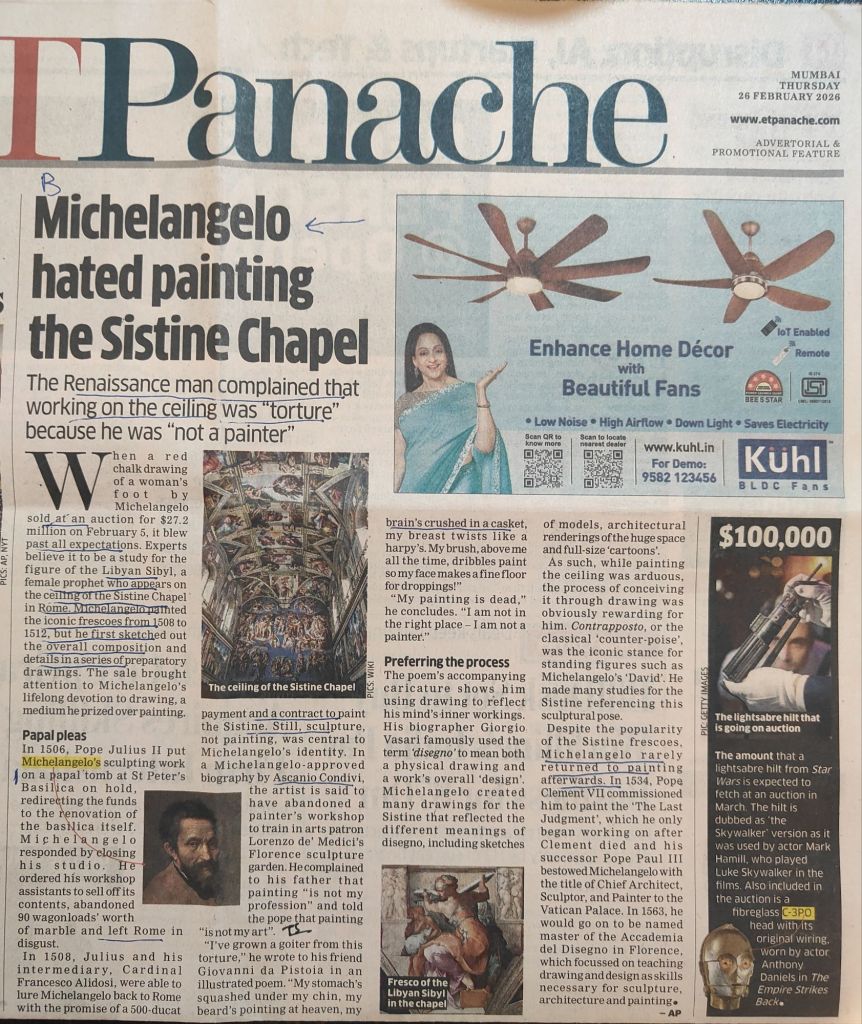
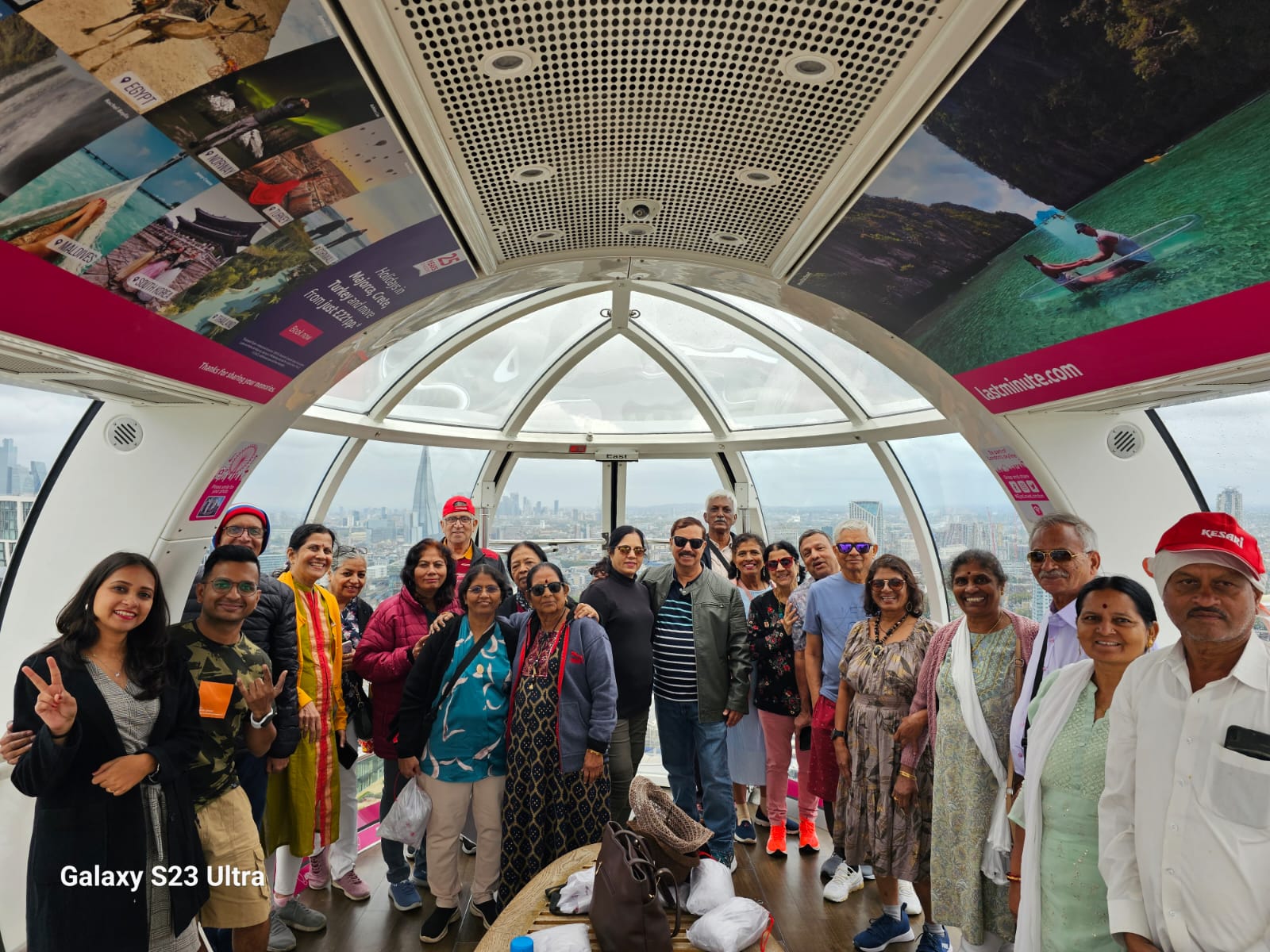
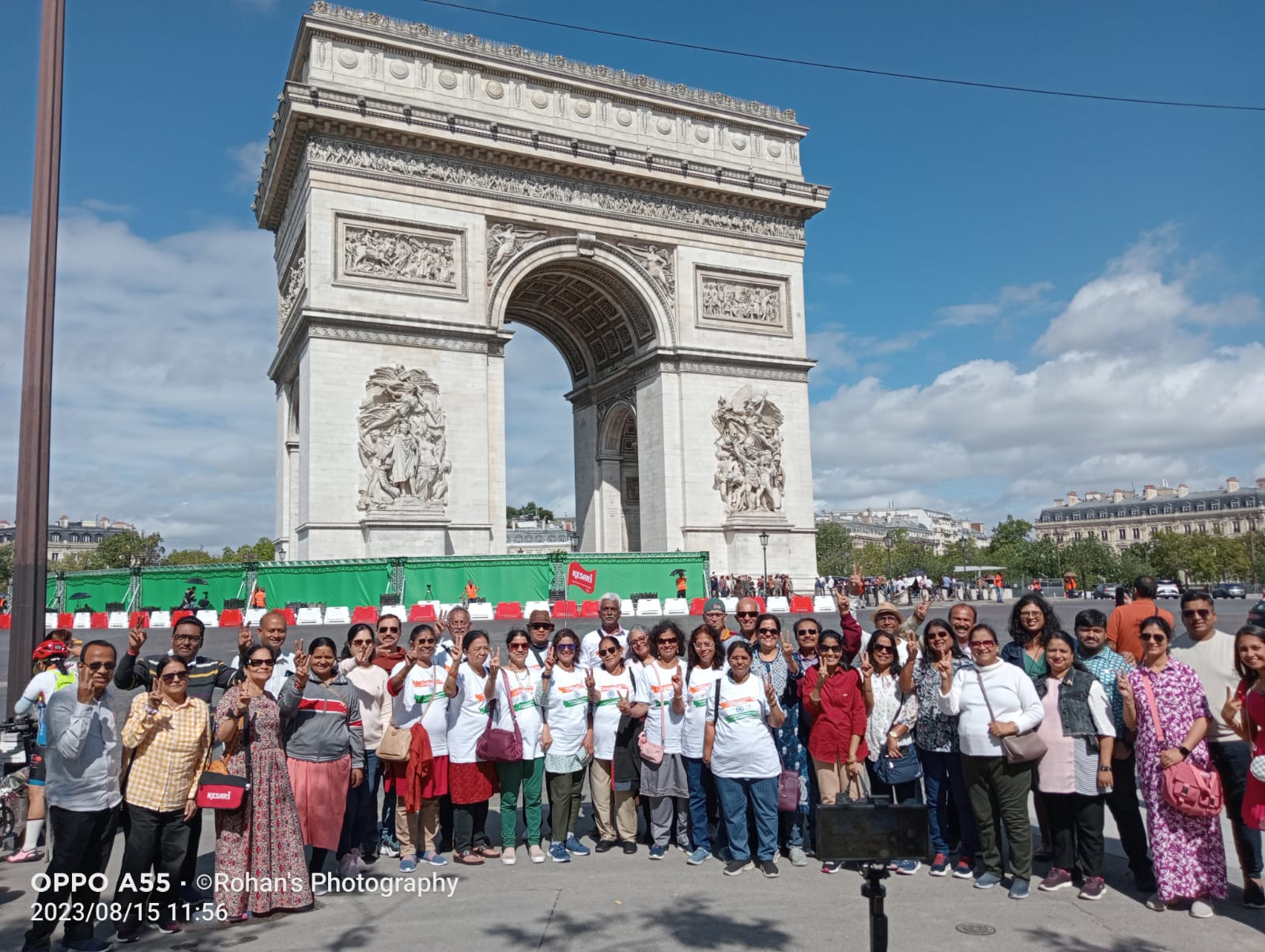
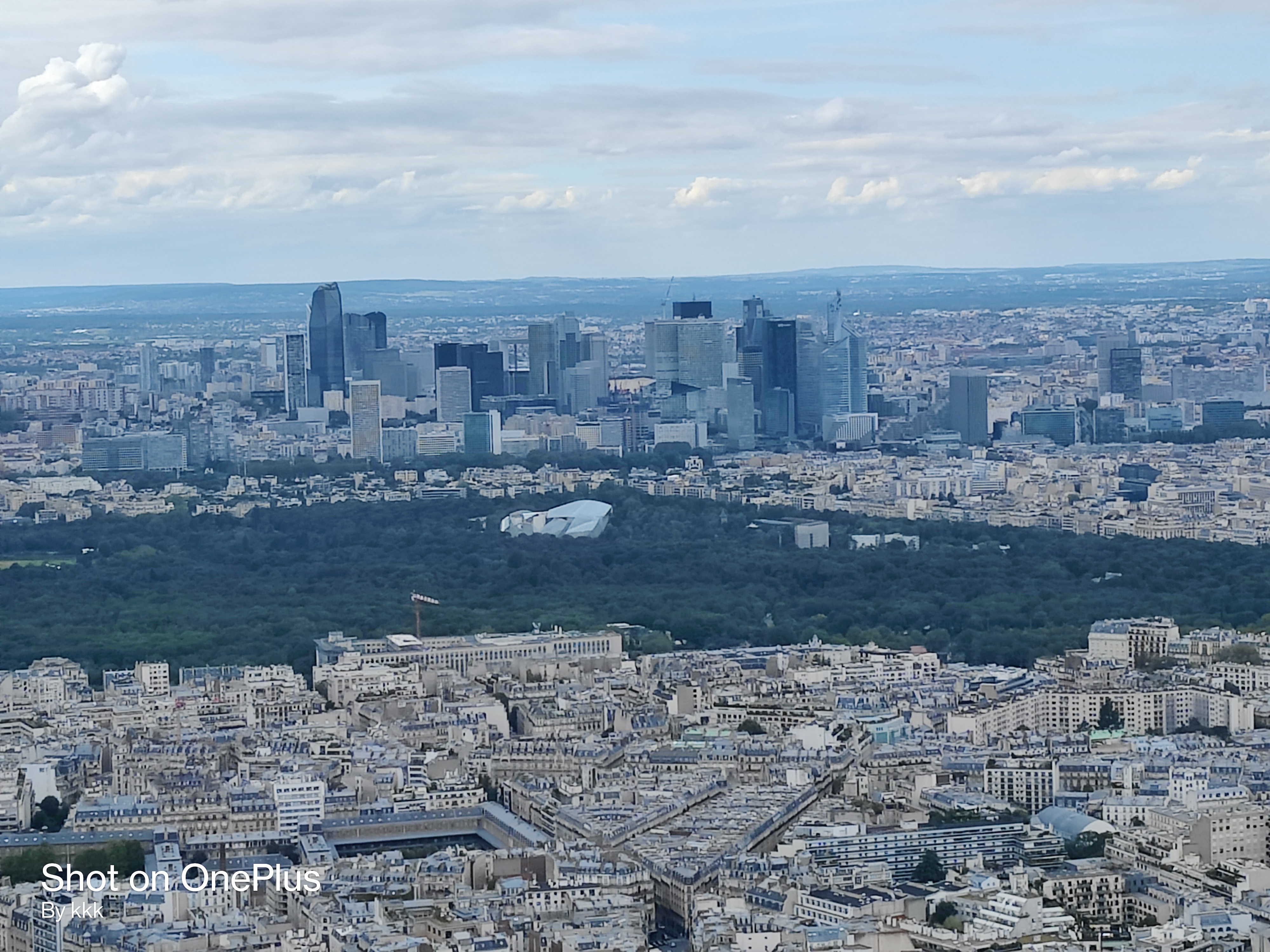
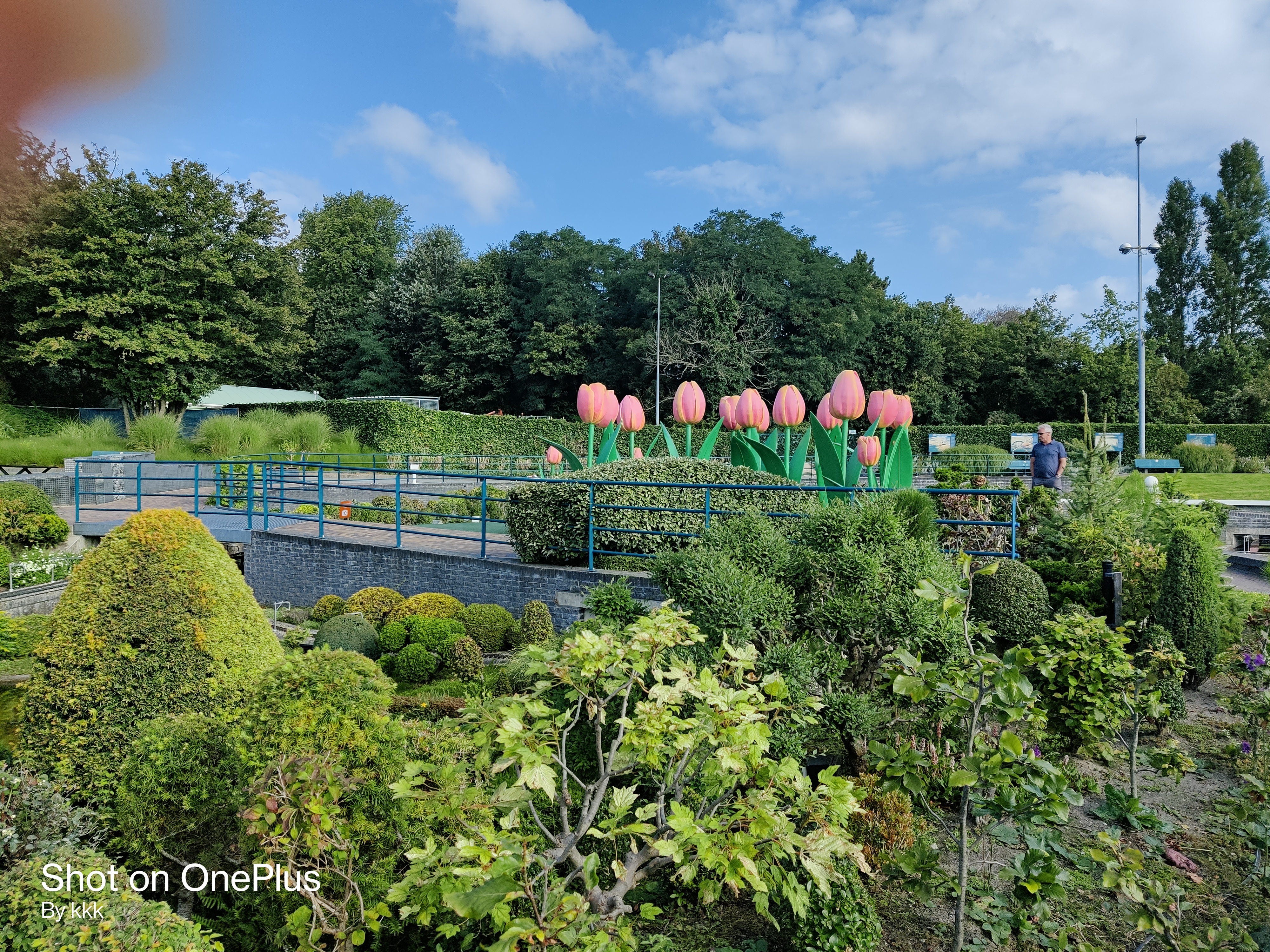
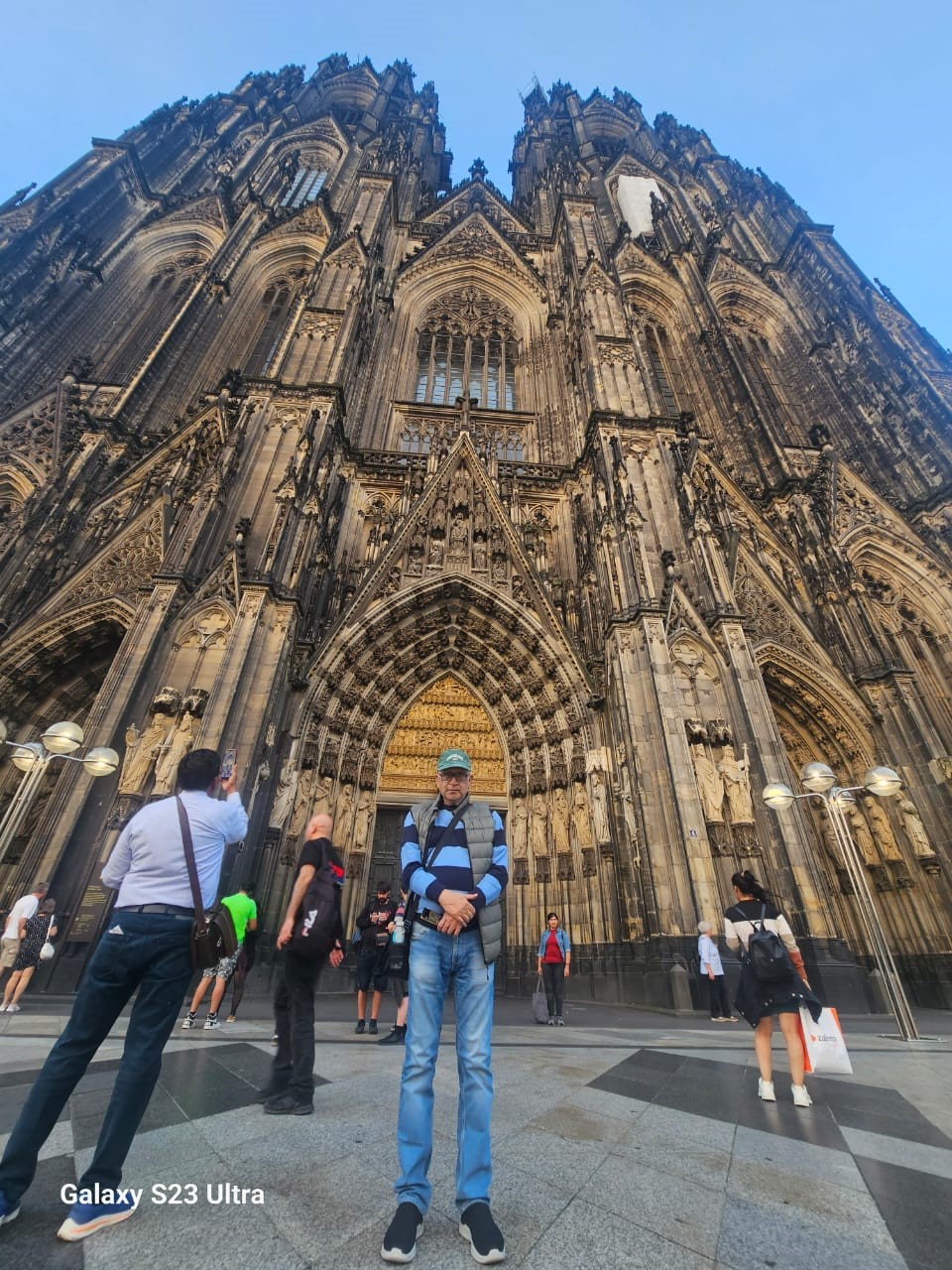
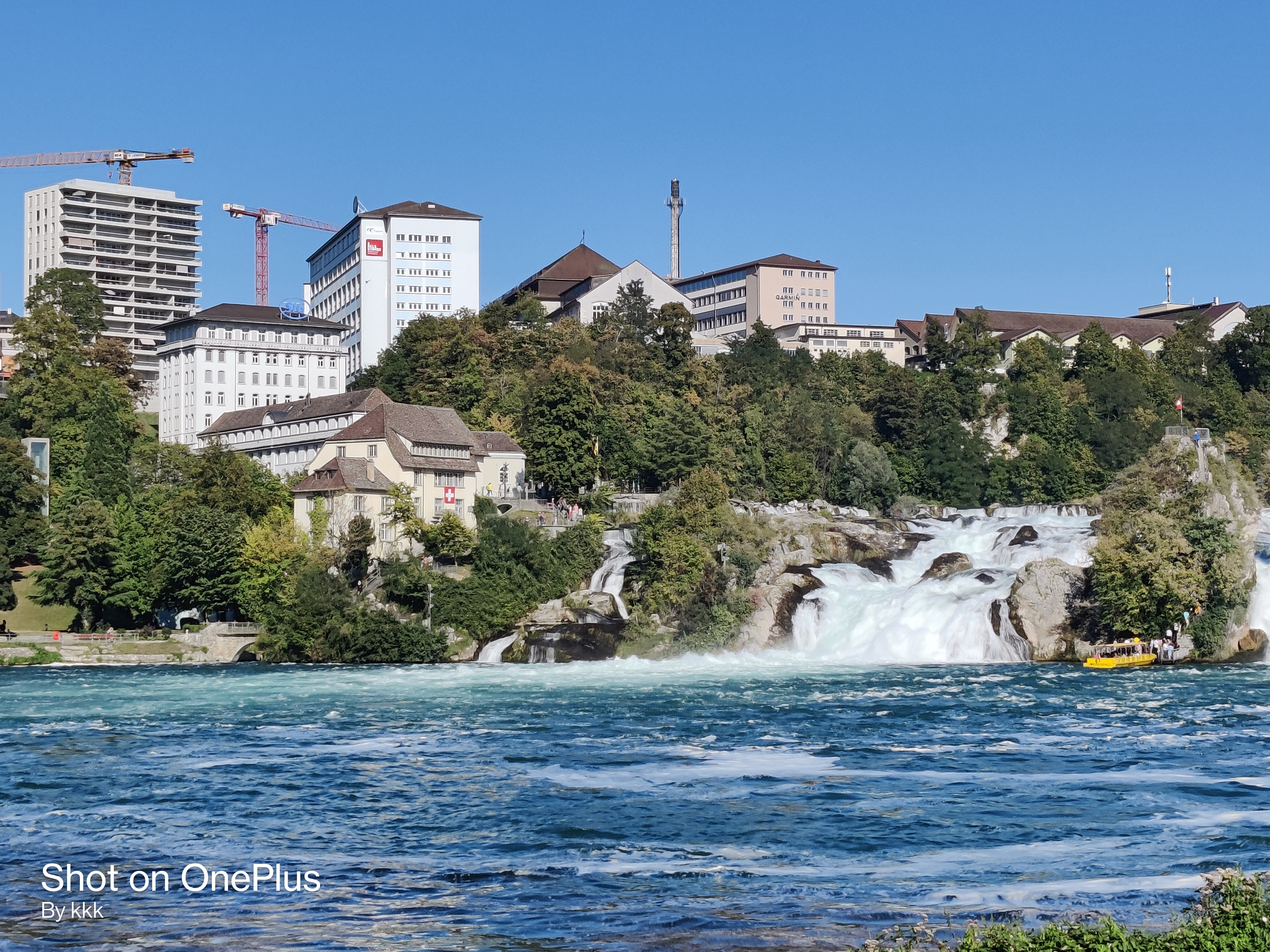
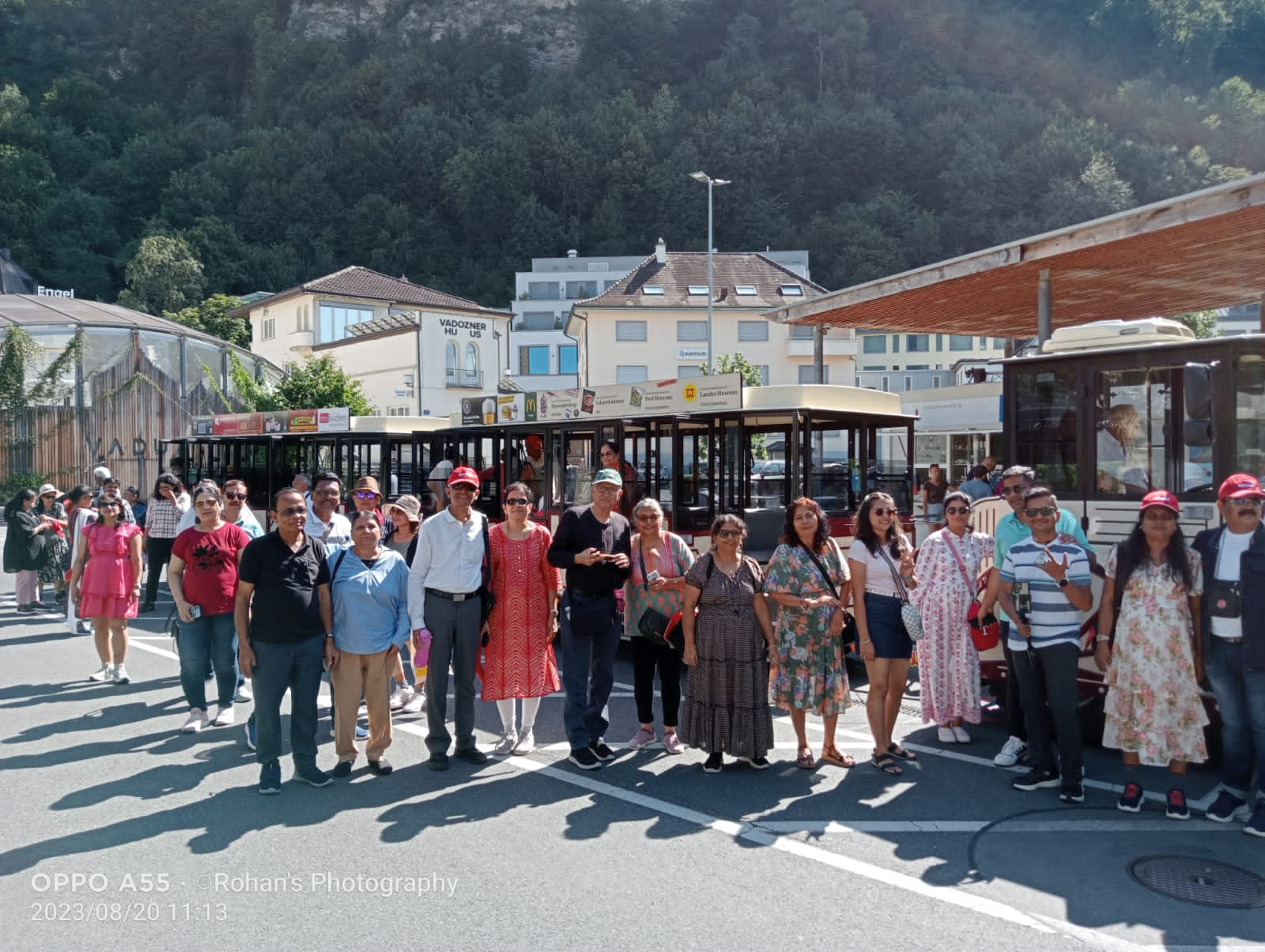
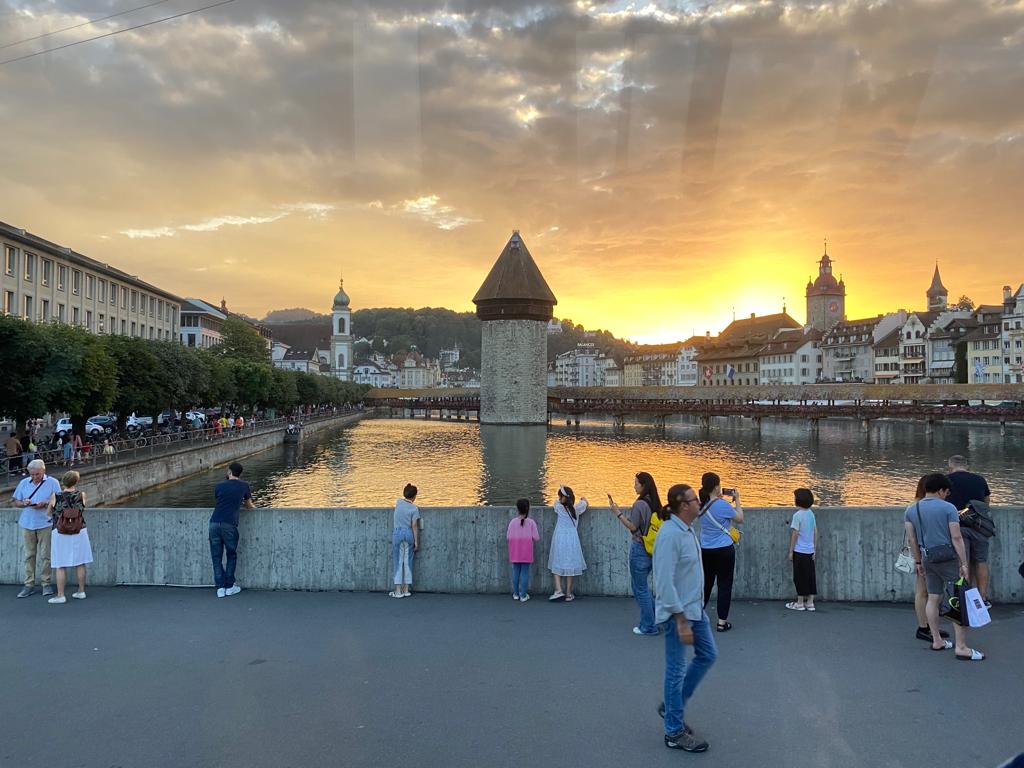
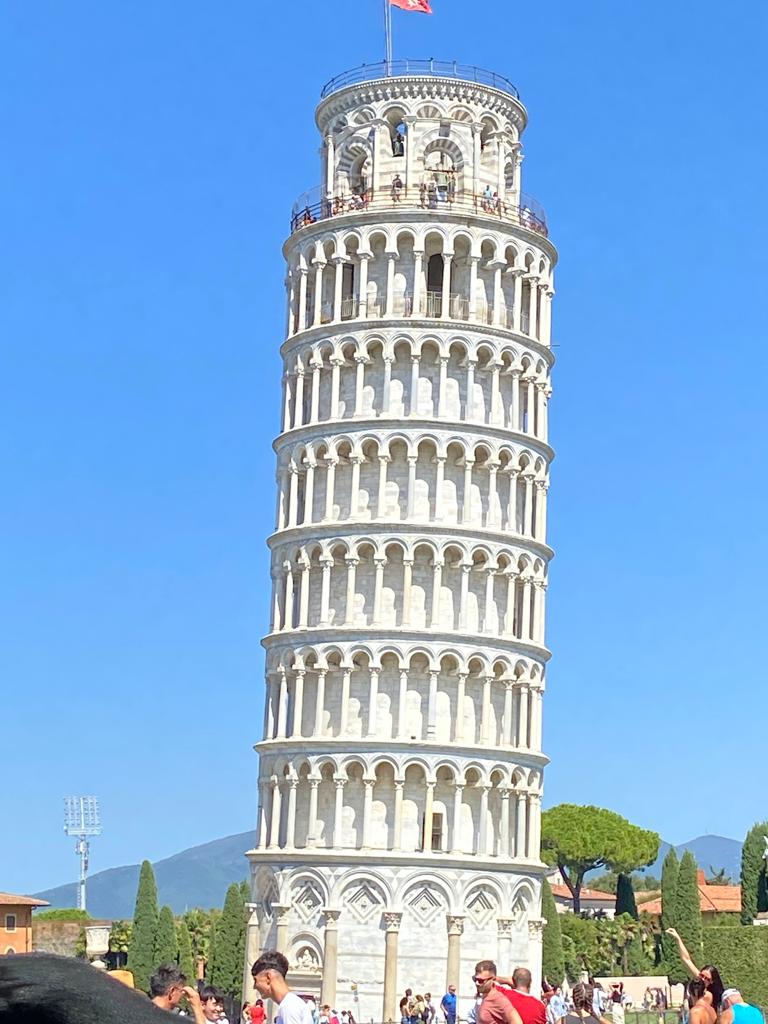
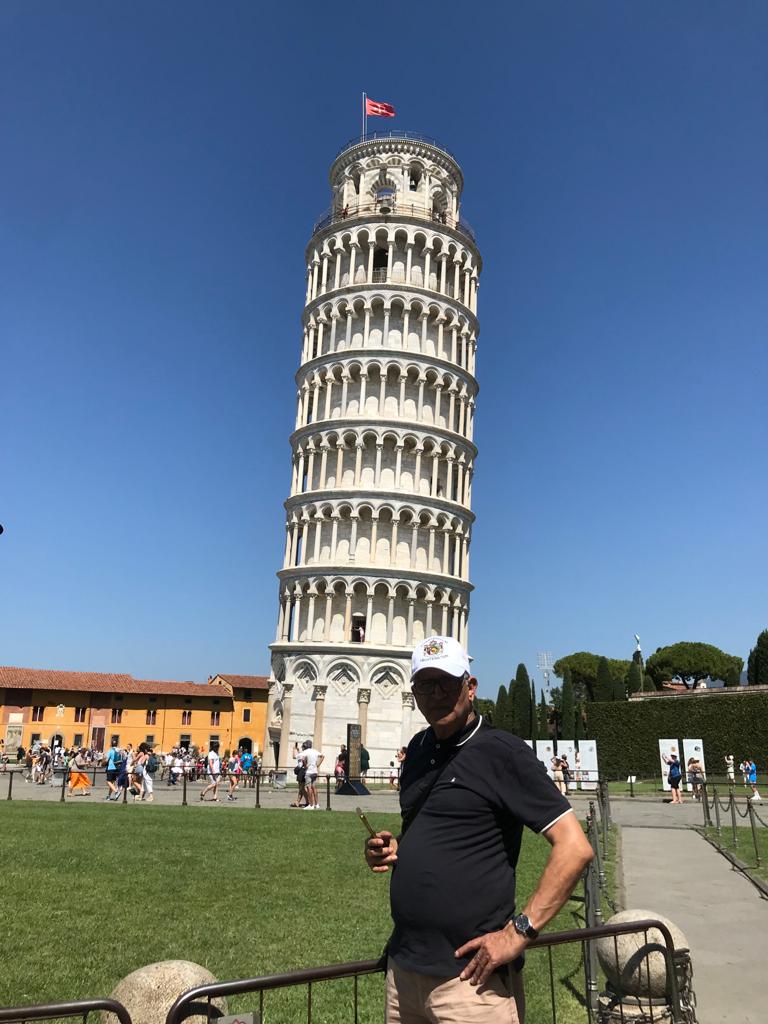
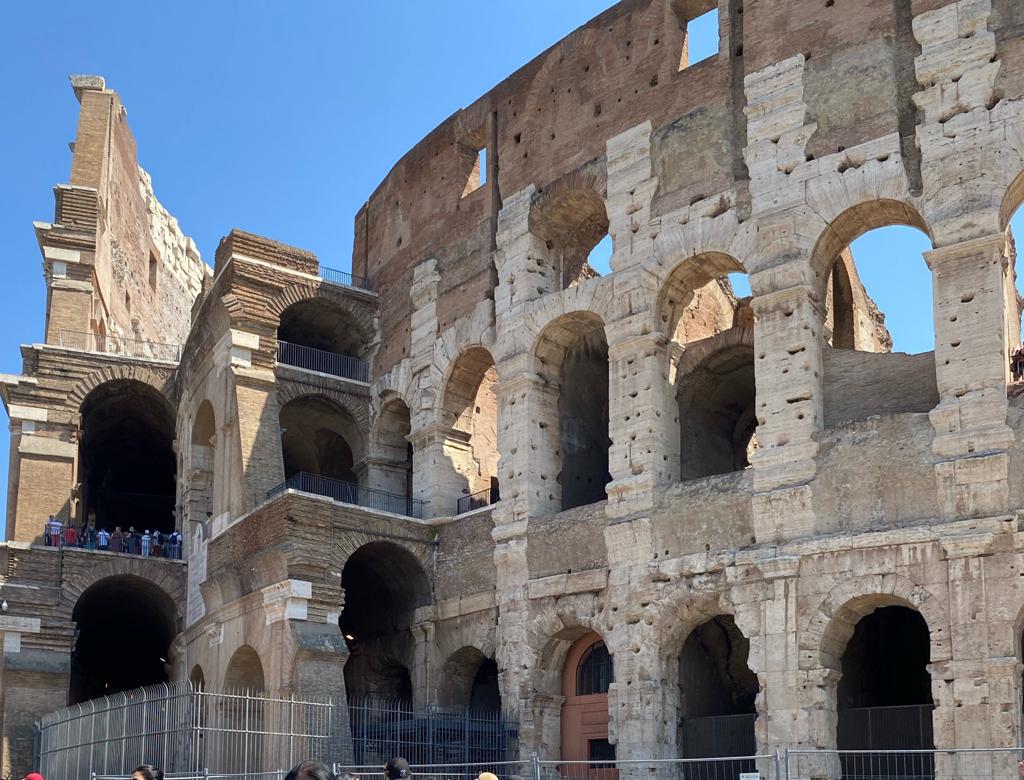
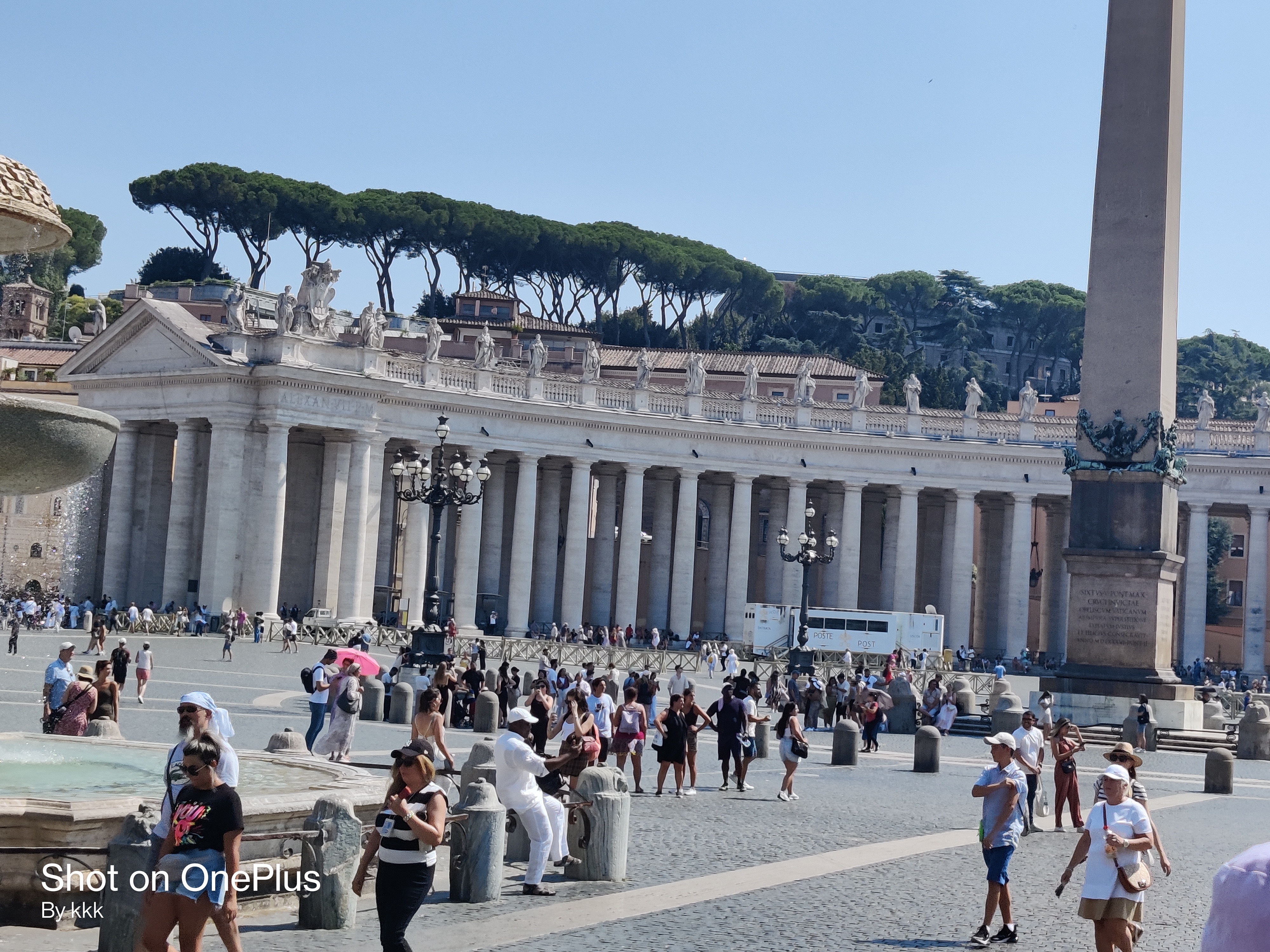
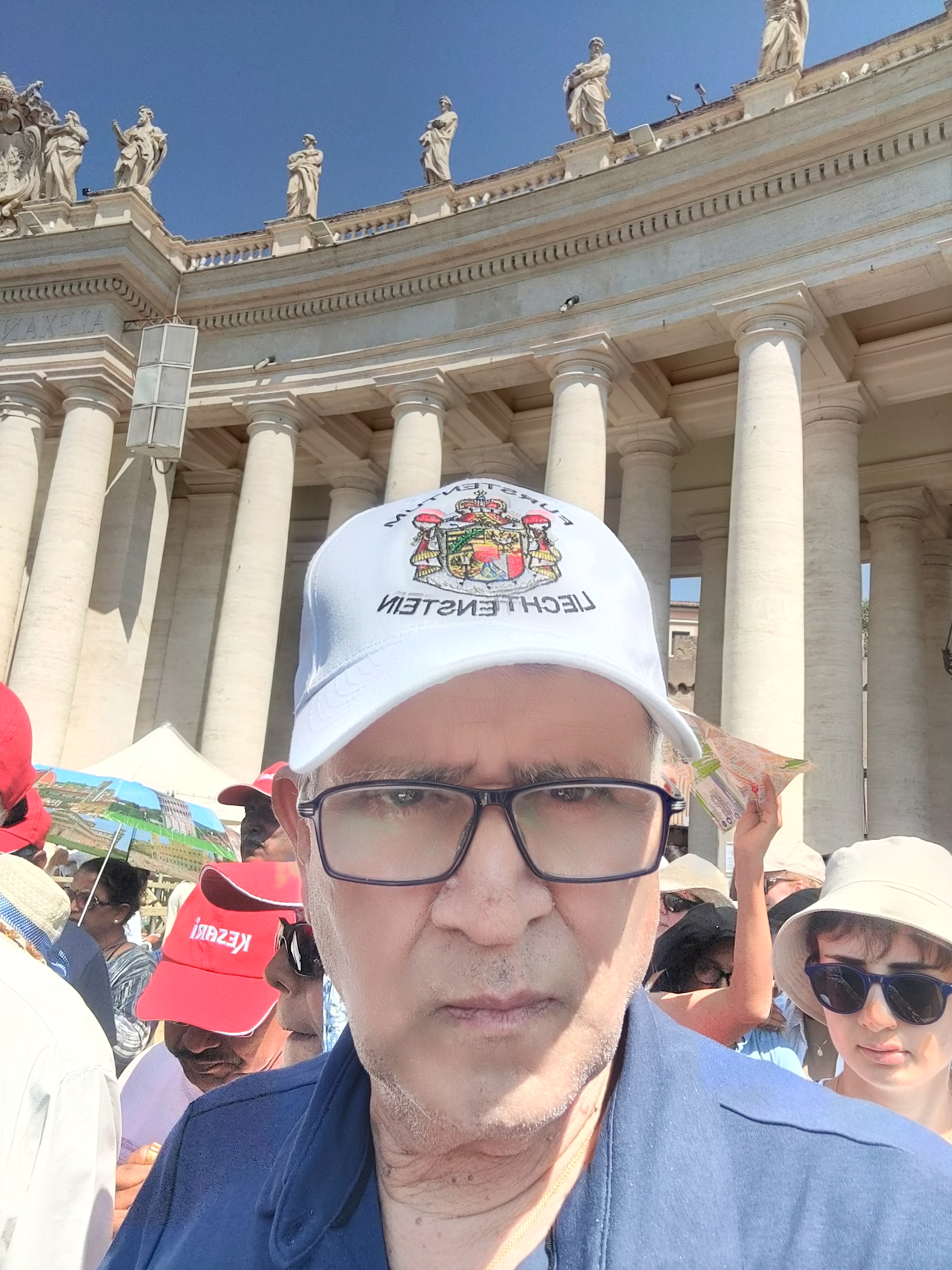
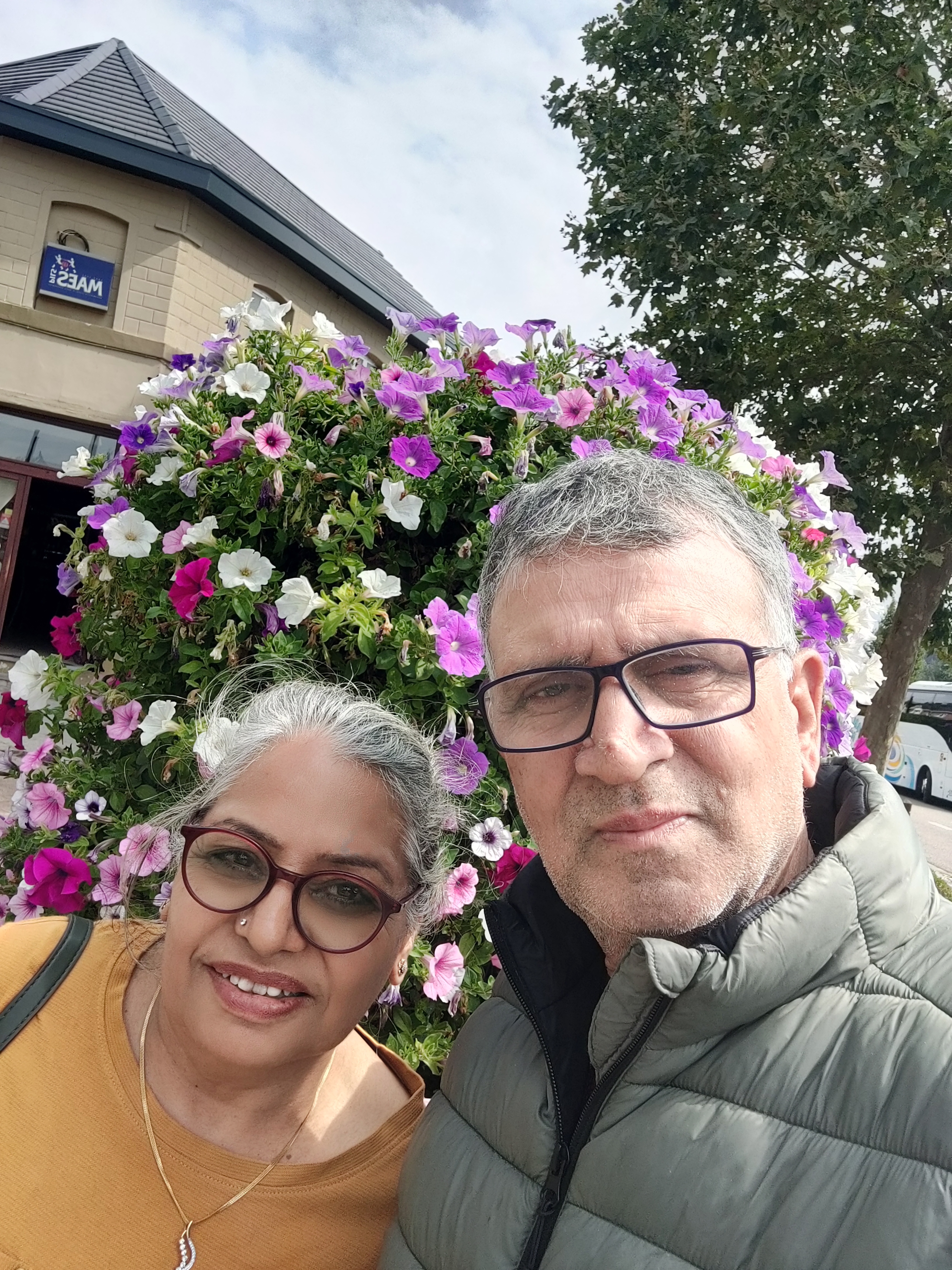





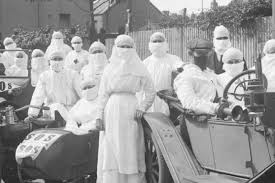
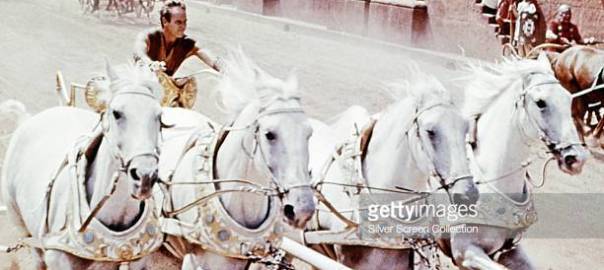




 Shravan charity mission