Copyright@shravancharitymission
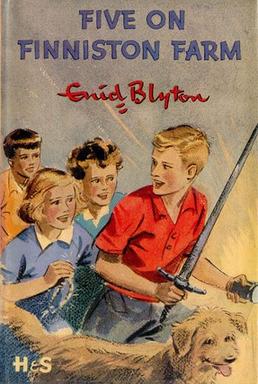
The Famous Five spend their summer holidays at Finniston Farm as paying guests. On arrival, they are greeted by the pleasant Mrs Philpot and her identical twins, Henry and Harriet. The twins seem to take an instant dislike to the Five, who also meet two fellow paying guests: an American, Mr Henning and his son, Junior. Mr Henning plans to buy antique pieces from the farm and sell them in America. Mr and Mrs Philpot agree to sell their farm treasures as they need the money. However, the family’s hot-tempered Great Granddad feels the antiques should remain in England.
Mr Henning and his son Junior prove themselves a nuisance to the household by rudely ordering Mrs Philpot around. Sympathetic to her, the Five offer to help with farm chores. When Junior demands breakfast in bed, George teaches him a lesson, making him agree to be more pleasant. This wins the hearts of the twins, and they make friends with the Five.
Anne and George visit a nearby antique shop, owned by a Mr Finniston, who tells them about a secret passage from Finniston Castle to an old chapel and cellars where royal treasure might be hidden. The girls excitedly reveal the news to the boys and the twins. Together, they plan to hunt for the cellars on the farm. They come across the castle’s kitchen midden and realise they are close to finding the treasure.
Junior spies on them and goes to break the news to his father and his father’s friend, Mr Durleston, who decide to excavate the castle site, find the fortune and sell the antique treasure in America. Mr and Mrs Philpot consent to the excavation, much to the dismay of the children. The children dig around the site, hoping to beat the men in finding the treasure. Initially, they are unsuccessful, but the twins’ dog, Snippet and their jacksaw, Nosey, lead them to a burrow, beneath which the secret passage stretches out.
The children discover the cellars and the treasure, including old daggers, sword and gold, which are worth a fortune; only to become trapped inside the tunnel when the entrance caves in. They take another way and reach a trapdoor under the old chapel, which is now used as a storehouse. The farmhands, Bill and Jamie, hear their shouts and let them out. The children get back to the farm and tell their exciting story to the astonished adults. The next day, Mr Henning and Mr Durleston try to trick the Philpots into believing the site has no treasure and offer them a meagre amount. However, Mr Philpot, backed up by his granddad and Mr (William) Finniston, declines the offer, making it clear they will excavate the site themselves and no longer want the Americans to stay. The adventure ends with Julian, Dick, Anne and George, along with Timmy, planning to stay at the farm to observe the excavation of the treasure.
It is an interesting read, and I would give it eight out of ten.
Written and posted by Kamlesh Tripathi
Author, Poet, & Columnist
*
https://kamleshsujata.wordpress.com
*
Like it and Share it
*
Shravan Charity Mission is an NGO that works for poor children suffering from life-threatening diseases, especially cancer. Our posts are meant for our readers, including children and adults, and have a huge variety of content. We also accept donations for our mission. Should you wish to donate to the cause of cancer? The bank details are given below:
NAME OF ACCOUNT: SHRAVAN CHARITY MISSION
Account no: 680510110004635 (BANK OF INDIA)
IFSC code: BKID0006805
***







 Shravan charity mission