–Via a culture that’s open to change and normalises risk-taking–
The US-China big power competition is the defining geopolitical issue of our times. Undergirding this dynamic is the race for tech, especially AI. In The New Geography Of Innovation: The Global Contest For Breakthrough Technologies, Mehran Gul investigates whether US’s Silicon Valley still retains near-monopoly over cutting-edge tech, or have other global locations such as China’s Shenzhen and even the greater London area taken over that mantle. Plus, what’s truly conducive for creating a hot tech eco-system? Is there a secret sauce that America has and China appears to have replicated? The answers are complex. At first glance. China’s breakneck development in tech over the last decade appears to be eclipsing Silicon Valley. But closer inspection reveals a nuanced picture. True, Silicon Valley is undergoing change – described in the book as a vibrant rainforest being converted into controlled farmlands. But that necessarily doesn’t translate into US tech decline, the author says. New American tech hubs are coming up in New York, Miami and Austin that are taking the flame of Silicon Valley forward. China, on the other hand, has created its own tech champions like Tencent, Baidu and ByteDance in record time. It certainly has speed on its side, and it’s quality and volume of research has also improved tremendously. But it’s still not doing pathbreaking research like US. Why? A combination of factors that includes strict guardrails of the Communist Party -exemplified by the 2021 crackdown on Chinese tech firms – a Chinese university system that is not quite yet at par with American universities, and an environment where govt policy guides the direction of innovation. But to settle the debate, one statistic is enough to confirm US’s continued tech dominance: Apple became the first American tech company to cross a trillion-dollar valuation in 2018 with seven other American companies joining it since, but the rest of the whole world, including China, doesn’t even have one. What then is the secret to successful tech eco-systems? The author interviews scores of tech entrepreneurs and stalwarts across geographies and comes to a somewhat underwhelming answer: there is no set formula. Almost all successful tech companies look the same. But they can come up in very different circumstances. In UK, the Greater London area is where all the action is. But that has come at the cost of increasing regional disparity that not only puts London at a risk but also undermines the dynamism of UK’s tech story. This disparity was also a reason for Brexit. Switzerland and Germany have great education and no shortage of talent or infra, but their local cultural preference for stability over risk means they are just not able to realise the same tech innovation potential as US or China. South Korea and Singapore created their miracles through huge govt support. But there are also limitations to this approach as seen by calls to reform Korea’s chaebols. But one thing appears clear, according to the author; societies that are more receptive to change appear to have a better chance of fostering tech successes. That means openness to talent, openness to Innovation, and openness to risks. In the Indian context, we may have Bengaluru. But we need many more Bengalurus that incentivise tech entrepreneurship and risk taking. That means a policy framework that fosters innovation and a culture shift that normalises failure. India has lots of catching up to do.
Shravan Charity Mission is an NGO that works for poor children suffering from life-threatening diseases, especially cancer. Our posts are meant for our readers, including children and adults, and have a huge variety of content. We also accept donations for our mission. Should you wish to donate to the cause of cancer? The bank details are given below:
In the afternoon, we set off for Germany. Our destination was Cologne. We planned to visit the renowned Cologne Cathedral after dinner at an Indian restaurant called Rangoli. Sunset in Europe is quite late in August, so we could go sightseeing even after dinner. Since it was the holiday season in Europe, there wasn’t much traffic either. We reached the restaurant by seven, after a four-hour drive. After dinner, we took a leisurely walk to reach the Cologne Cathedral.
The following day, we were to travel across Germany through the Black Forest and reach the Rhine Falls (waterfall) in Switzerland and then to our hotel, Seadamm Plaza in Pfaeffikon, Zurich. The drive was through the mystique Bavarian Alps with misty mountains and fast, lane-observing traffic. The weather was cold and overcast. We left at eight in the morning, towards the Black Forest. While negotiating the scenic mountain windings in the Bavarian Alps, I kept nostalgically recollecting my good old days in the thick of those absorbing musical instrumentals of my all-time favourites streaming in a sequence on my mobile. I was reminded of the best scene of Dr Zhivago when Omar Sharif runs up to the room above, and breaks the glass pane to have one last glimpse of Julie Christie from the window as the image of the sledge pulled by horses, carting her, starts diminishing in the snowy surroundings. This is when the melodious ‘Lara’s theme’ fills the ambience in the movie theatre. This is followed by the ‘Love theme’ from Romeo and Juliet, by Dutch violinist Andre Rieu, and then comes the famous Scarborough Fair (some call it a hymn) by British flautist Adrian Bret. What followed was the fond memory of the great Richard Burton and his famous Alistair Maclean movie ‘Where Eagles Dare’, which had so much to do with the Bavarian Alps located in Germany and Austria.
The Black Forest in the German language is called ‘Schwarzwald,’ which is famously known for the Cuckoo Clock Industry, Cloud Fisheries Industry and the Black Forest Cake.
We reached the car park of the Cuckoo Clock factory at about 1.45 PM local time. The place is known as Titisee-Brietnau, where clocks are manufactured. It also manufactures glass toys. We were given a live demonstration on how clocks are made. We also saw a live show of a Cuckoo Clock that squeaks and chimes at two in the afternoon, and the dancing dolls come out to dance with their partners. In the deep recesses of Germany, we had a rather sumptuous lunch in great style and variety. We were served Dahi Vadas, Veg Pulao, Grilled Chicken, French Fries, Cutlets and Pastries. The group shopped to its delight and was all for the traditional Cuckoo Clock.
Shravan Charity Mission is an NGO that works for poor children suffering from life-threatening diseases, especially cancer. Our posts are designed for our readers, including children and adults, and feature a diverse range of content. We also accept donations for our mission. Should you wish to contribute to the cause of cancer, the bank details are given below:
EXPERIENCE THE RHINE FALLS: Unforgettable sights at the largest waterfall in Europe. Enjoy the best view of the largest waterfall in Europe
From the Cuckoo Clock factory in Germany at 3 in the afternoon, we left for the Rhine Fall in Switzerland located in the municipality of Neuhausen Am Rhinefall. While negotiating, the scenic mountain windings in the Bavarian Alps, I kept nostalgically recollecting my bygone life in the thick of those absorbing musical instrumentals of my all-time favourites streaming in a sequence on my mobile. I was reminded of the best scene of Dr Zhivago when Omar Sharif runs up to the room above, and breaks the glass pane to have one last glimpse of Julie Christie from the window as the image of the sledge pulled by horses, carting her, starts diminishing in the snowy surroundings. This is when the melodious tune of ‘Lara’s theme’, fills the ambience in the hall. This is followed by the ‘Love theme’ from Romeo and Juliet, by the Dutch violinist Andre Rieu, and then comes the famous Scarborough Fair (some call it a hymn) by British flautist Adrian Bret. What followed were the memories of the great Richard Burton and his famous Alistair Maclean movie ‘Where Eagles Dare’, which had so much to do with the Bavarian Alps located in Germany and Austria.
Pamphlet showing aerial view of Rhinefall
We were at the Rhinefall at five. It is the most powerful waterfall by flow rate in Europe. Earlier there were only rocks and stones there but when the water arrived it turned into a horizontal waterfall. The falls are located on the High Rhine, on the border between the cantons of Schaffhausen and Zurich, between the municipalities of Neuhausen am Rheinfall and Laufen-Uhwiesen/Dachsen, next to the town of Schaffhausen in northern Switzerland.
View of the falls
The falls cannot be climbed by fish, except by eels that can worm their way up over the rocks. At 5.40 PM we boarded a forty-seater yellow boat. It took us to the rock island at the centre of the fall. We climbed the steep stairs to reach the top of the rock island to have the amazing three-sixty-degree view, where one could feel droplets of water falling on your face from the plunge pool.
The nearest town to Rheinfall waterfall is Neuhausen am Rheinfall, just north of the Rhinefalls, where tourists can view the Worth Castle, and the Laufen Castle overlooking the waterfall. Access to the other side of the river is possible through boat services or via a sidewalk on the railway bridge (Rheinfallbrücke) upstream of the waterfall.
Various views of the falls
Away from boat tours to the Rhine Falls’ rock (Rheinfallfelsen), there are also viewing platforms with views of the waterfall built on both sides of the Rhine River. These are reached via steep and narrow stairs. Even elevators exist in some places.
Guided tours of various lengths starting from Laufen Castle on the Zurich side of the falls are also there. A youth hostel is also located in Schloss Laufen. Various restaurants are located in Schloss Laufen, Schlössli Wörth and the Rheinfall park.
The train that takes you to the boarding station
The Rhine Falls was formed in the last ice age, approximately 14,000 to 17,000 years ago. About 132,000 years ago the course of the river changed southwards at Schaffhausen and formed a new channel, which also filled up with gravel. Part of the Rhine today includes this ancient riverbed. There is a long history of Rhinefall that cannot be told in this short column. The formation of the Rhine Falls is at display in a permanent exhibition at the Museum zu Allerheiligen (a former Benedictine monastery) in Schaffhausen.
Fahrplan (German) … Timetable (English)
After having a clear all-around view we returned to the boarding station from where we had boarded the same forty-seater yellow boat. The river water was crystal clear and blue. We could see several shoals and many of them were quite colourful. Upon reaching the boarding station we were in for a pleasant surprise as we were served Indian Masala Tea and Mumbai’s famous Vada-Pav right at the heart of the Rhine Fall in Switzerland. After the Rhine Fall, we travelled for two hours to reach our hotel Seddam Plaza in Seddam Centre in Pfäffikon, Switzerland. With that, the long journey across the Black Forest in Germany and the Rhine Fall in Switzerland came to a pleasant end …… Woh Indian sham kuch ajeeb thee, yeah European sham kuch ajeeb hai.
Shravan Charity Mission is an NGO that works for poor children suffering from life-threatening diseases, especially cancer. Our posts are meant for our readers, including children and adults, and have a huge variety in content. We also accept donations for our mission. Should you wish to donate to the cause? The bank details are given below:
NAME OF ACCOUNT: SHRAVAN CHARITY MISSION
Account no: 680510110004635 (BANK OF INDIA)
IFSC code: BKID0006805
*
Kamlesh Tripathi’s Publications
GLOOM BEHIND THE SMILE
(The book is about a young cancer patient. Now archived in 8 prestigious libraries of the US which include Harvard College Library; Harvard University Library; Library of Congress; University of Washington, Seattle; University of Minnesota, Minneapolis; Yale University, New Haven; University of Chicago; University of North Carolina, at Chapel Hill University Libraries. It can also be accessed at MIT through Worldcat.org. Besides, it is also available for reading in libraries and archives of Canada; Cancer Aid and Research Foundation Mumbai; Jaipuria Institute of Management, Noida, India; Shoolini University, Yogananda Knowledge Center, Himachal Pradesh and Azim Premzi University, Bangalore).
ONE TO TANGO … RIA’S ODYSSEY
(Is a book on ‘singlehood’ about a Delhi girl now archived in Connemara Library, Chennai and Delhi Public Library, GOI, Ministry of Culture, Delhi; It is also available for reading in the Indian National Bibliography, March 2016, in the literature section, in Central Reference Library, Ministry of Culture, India, Belvedere, Kolkata-700022)
AADAB LUCKNOW … FOND MEMORIES
(Is a fiction written around the great city of Nawabs—Lucknow. It describes Lucknow in great detail and also talks about its Hindu-Muslim amity, which is the undying characteristic of Lucknow. The book was launched at the Lucknow International Literary Festival in 2014. It is included for reading in Askews and Holts Library Services, Lancashire, U.K; Herrick District Library, Holland and Charlotte-Mecklenburg Library, Mecklenburg County in North Carolina, USA; Black Gold Cooperative Library Administration, Arroyo Grande, California; Berkeley Library, University of California).
REFRACTIONS … FROM THE PRISM OF GOD
(Co-published by Cankids–Kidscan, a pan India NGO and Shravan Charity Mission, that works for child cancer in India. The book is endorsed by Ms Preetha Reddy, MD Apollo Hospitals Group. It was launched at the Lucknow International Literary Festival in 2016).
TYPICAL TALE OF AN INDIAN SALESMAN
(Is a story of an Indian salesman who is, humbly qualified. Yet he fights his way through unceasing uncertainties to reach the top. A good read not only for salesmen. The book was launched on 10th February 2018 at Gorakhpur Lit-Fest. Now available on Amazon, Flipkart and Onlinegatha)
RHYTHM … in poems
(Published in January 2019. The book contains 50 poems. The poems describe our day-to-day life. A few poems from the book have been published in Shillong Times, Bandra Times and Bhavan’s Journal. The book is available on Amazon, Flipkart and Onlinegatha)
MIRAGE
(Published in February 2020. The book is a collection of eight short stories available on Amazon, Flipkart and Notion Press)
AWADH ASSAM AND DALAI LAMA … The Kalachakra
(The story of the man who received His Holiness The Dalai Lama and his retinue in 1959 as a GOI representative when he fled Tibet in 1959. The book was launched on 21st November 2022 by His Holiness The Dalai Lama at Dharmshala. The title is archived in the library of the Department of Information and International Relations (DIIR) Government of Tibet, Tibet Policy Institute (TPI) and the personal library of His Holiness The Dalai Lama. The title is also archived in The Ohio Digital Library, USA. It was recently included in the digital library of the world-renowned company APPLE).
BHAVANS JOURNAL
Short stories, Book reviews and Articles published in Bhavan’s Journal: 1. Reality and Perception, 15.10.19; 2. Sending the Wrong Message, 31.5.20; 3.Eagle versus Scholars June, 15 & 20, 2020; 4.Indica, 15.8.20; 5.The Story of King Chitraketu, August 31 2020; 6.Breaking Through the Chakravyuh, September 30 2020. 7. The Questioning Spouse, October 31, 2020; 8. Happy Days, November 15, 2020; 9.The Karma Cycle of Paddy and Wheat, December 15, 2020; 10.Power Vs Influence, January 31, 2021; 11.Three Refugees, March 15, 2021; 12.Rise and Fall of Ajatashatru, March 31, 2021; 13.Reformed Ruler, May 15, 2021; 14.A Lasting Name, May 31, 2021; 15.Are Animals Better Teachers? June 16, 2021; 16.Book Review: The Gram Swaraj, 1.7.21; 17.Right Age for Achievements, 15.7.21; 18.Big Things Have Small Beginnings, 15.8.21; 19.Where is Gangaridai?, 15.9.21; 20.Confront the Donkey Within You 30.9.21; 21. Know Your Strengths 15.10.21; 22. Poverty 15.11.21; 23. Top View 30.11.21; 24. The Bansuriwala 15.1.22; 25.Sale of Alaska 15.2.22; 26.The Dimasa Kingdom 28.2.22; 27. Buried Treasure 15.4.22; 28. The Kingdom of Pragjyotisha 30.4.22; 29.Who is more useful? 15.5.22; 30. The White Swan from Lake Mansarovar 30.6.22; 31. Bhool Bhulayya 15.9.22; 32. Good Karma 30.9.22; 33. Good Name vs Bad Name 15.10.22; 34.Uttarapath—The Grand Trunk Road 1.12.22; 35.When Gods Get Angry 1.1.23; 36. Holinshed’s Chronicles 15.1.23; 37. Theogony 15.2.23; 38. Poem: Mother 14.5.23; 39. THE NAG MANDIR 30.6.23; 40. The Story of Garuda 30.7.23; 41. Janmabhoomi vs Karmabhoomi 31.8.23; 42. The Ghost Town of Kuldhara 15.9.23; 43. The Tale of Genji 15.10.23; 44. The Soul Connection 1.12.23;
SHILLONG TIMES—SUNDAY EDITION
ARTICLES & POEMS: 1. POEM: HAPPY NEW YEAR 8.1.23; 2. POEM: SPRING 12.3.23; 3. POEM: RIGHT AND WRONG 20.3.23; 4. THE GUSH OF EMOTION—WRITING, 26.3.23; 5. THE NAG MANDIR, 7.5.23; 6. POEM:MOTHER 7.5.23; 7. POEM: RAIN RAIN 9.7.23; 8. POEM:YOU COME ALONE YOUGO ALONE 6.8.23; 9. RAIN RAIN (SECOND TIME) 10.8.23; 10. POEM: GURU TEACHER 10.8.23; 11. POEM: AUTUMN … THE INTERIM HEAVEN 15.10.23; 12. POEM: HAPPY DIWALI 12.11.23; 13. OVERCOMING BLINDNESS: LEARN IT THE JOHN MILTON WAY 10.12.23; 14. THE HAPPY PRINCE AND THE HAPPY MAN’S SHIRT 31.12.23; 15. ANNUS MIRABILIS 2024 7.1.24; 16. GANDHI TO MAHATMA GANDHI- Incidents that Shaped Gandhi in South Africa 28.1.24; 17. POEM: TOGETHER BUT NOT MADE FOR EACH OTHER, 11.2.24;
THE ASSAM TRIBUNE
ARTICLE: 1. THE MAGIC OF READING 11.12.23; 2. GANDHI TO MAHATMA 29.1.24
29.12.2020: INDICA BY MEGASTHENES; 14.3.22: ABOUT THE DIMASA KINGDOM ASSAM; 10.12.22: GRAND TRUNK ROAD-UTTARAPATH; 5.10.23: THE GHOST TOWN OF KULDHARA NEAR JAISALMER;
(ALL THE ABOVE BOOK TITLES ARE AVAILABLE FOR SALE ON AMAZON, FLIPKART AND OTHER ONLINE STORES OR YOU COULD EVEN WRITE TO US FOR A COPY)
There are two things that a man cannot do even if he devotes all his life to it. The first is he cannot read all the literature available in the world during his lifetime. The second is he cannot behold all the wonders on earth created by God Almighty. But yes he can visit many of them if he sincerely endeavours to. We attempted to do that.
On 13th August 2023, we left on a group tour of Europe. Our tour operator was Kesari Tours, Mumbai. Our first take-off was an early morning three-hour Indigo Flight from Mumbai to Doha. It landed in Doha the capital of Qatar, where we had a two-hour halt. Thereafter, we were on a Qatar Airways 7-hour flight to London.
We landed at Heathrow London, Terminal 4 at around 2.30 PM London time. It took three hours for the group to clear immigration. By the time we were out of the airport, it was 6 PM. We reached our Hotel, Holiday Inn Express Terminal 5, at seven. The check-in was followed by dinner. The day in London appeared longer than Mumbai, say till nine in the evening in August, as a result, one felt as if one had just finished lunch instead of dinner.
14.8.23: We left for local London sightseeing after an English breakfast at nine in the morning. We travelled to London City Centre crossing zone 3, 2 and 1. Our local travel guide was Sari and coach driver was Sam. We visited the Natural History Museum followed by Victoria and Albert Museum. There were several unique and brick-laden houses on the way that gave a grand look to the city. We passed through the Piccadilly Circle, Hyde Park, Hyde Corner, the statue of the Duke of Wellington straddled on his horse, the Fountain of Opera, Trafalgar Square—Nelson’s Column and its four lions considered zero miles in UK where plenty of Bollywood movies have been shot. Soon after we saw the ‘change of guard ceremony’ at 11.30 in Buckingham Palace which is held every alternate day. We were lucky to be there on the right day which was Monday. It’s an old royal tradition and we were able to video shoot the ceremony. The royal family guards change their shifts under a proper ceremony along with the marching band. The next on the sightseeing list were the Big Ben, Westminster Abbey, Parliament Square and 10 Downing Street. When I crossed the Thames River it reminded me of the old classic song, ‘Scarborough Fair’. The ‘London Eye’ was fascinating. We then saw the symbol of the two dragons indicating you’re entering London. The actual London city is colloquially called the Square Mile. It is 2.90 km square, in area.
LONDON EYE
The London Eye gives a panoramic view of the city of London. It has 32 capsules. It takes 32 minutes for a circle with 32 people, reminding you of the 32 boroughs of London. One capsule represents one borough. The next to see was the Phantom of the Opera, the tower bridge on the left of London Bridge. We drove past the London Bridge and the fire monument of the 16th century. Our lunch was at the Bangalore Express Restaurant. This was followed by a long stroll and shopping in Oxford Street, followed by dinner at the Hot Plate Restaurant and then we returned to our hotel.
15.8.23: On Independence Day we were up at three in the morning. The need was to catch the famous Eurostar train to Paris and Brussels from St. Pancras International Station, London. The train was at 7.01 AM. We left the hotel at 4.30 in a coach to be at the station by five. The security check at the railway station was quite tedious because of the heavy luggage that we were carrying. After the security, one technically leaves the territory of the U.K. and enters Europe on a Schengen visa. Twenty minutes before departure we were informed about our gate number. We sat in bogies 12 and 13 after walking past gate number 10. Soon, the Eurostar train number 9004 to Paris, left platform 10 from St Pancras Railway Station. After a point, it entered Europe leaving behind the U.K. It took 2 hours and 20 minutes to reach Paris. We were there at 10.20 AM which was exactly two hours and twenty minutes of travel time, but going by the clock it was three hours and twenty minutes because the continent of Europe is one hour ahead of the U.K. time. Our immigration process was held in London station itself. There are tunnels under the English Channel. The train crosses them in about 15-16 minutes on its way to Paris-Gare-du-Nord railway station in Paris. On the way, we ate breakfast along with hot coffee. The local tour guide in Paris was one Mr Senthil, an expat Indian from Tamilnadu. He started the city tour with a Vannakam—Tamil Namaste. Soon Paris started unfolding in front of our eyes. The tour began with the Opera House and The Greek Church—rich in Greek architecture. Then we saw the Golden Flame and the bridge where Lady Diana died in a car mishap. Then followed the Place De La Concorde Square, Macaline, Shawn Elizey, and the famous Eiffel Tower.
15TH AUGUST 2023, WITH TIRANGA FLAGS NEAR EIFFEL TOWER IN PARIS
We celebrated Independence Day with the Tiranga singing our national anthem in front of the Eiffel Tower. Later we visited Napoleon Bonaparte’s tomb in Les Invalides. Lunch was at ‘Welcome India,’ an Indian restaurant, after which at 2 PM we left for the Eiffel Tower. There was a huge crowd there with several souvenir shops. The names of Jules Verne (the author of Twenty Thousand Leagues Under the Sea) and Victor Hugo (the author of Les Miserables), both French authors, find their names mentioned in many of these shops and even in some public areas in Paris. Just as Sir Arthur Conan Doyle’s bust is seen in Baker Street, London. Do you recall the mention of Baker Street in the Sherlock Homes novels?
It took us two hours to get across the security gate alone and reach the summit level of the Eiffel Tower. The aerial view of Paris city from there was gorgeous. The summit level was earlier closed. Later they opened it. We were lucky to get the tickets for it. There is a Champagne bar there where we had a drink. The Eiffel Tower has three floors. The first level, the second level, and the summit level. The pillar elevators and the stairs take you to the first and second levels. To reach the top of the Tower from the second-floor platform, one needed to locate the separate elevator meant for it. In the same sequence, one can come down. After beholding the Eiffel Tower to our fill, we undertook a river cruise in the Seine River which was breathtaking.
THE CITY OF PARIS FROM EIFFEL TOWER SUMMIT
Our dinner was at Mewar Restaurant at 7 PM and by eight, we were back in our hotel, Novotel. The roads in Europe were quite open without traffic jams so one could accurately calculate the travel time. After an hour of free time in the hotel, we drove down to the main Paris city which included ‘The Champs-Elysees’, the main street of Paris that in some ways resembled the ‘Kartavya Path’ in New Delhi where we had a photo session in the glittering lights. After that, we went to the Eiffel Tower again. And wow!! It was an amazing sight to see the entire Tower lit up at eleven in the night. We returned to our hotel at midnight. The 15th of August was the longest day of our tour—from 3 a.m to midnight and from London to Paris.
16.8.23
The next day our coach rolled out of the hotel at 8 AM after a sumptuous continental breakfast. Soon it started negotiating the wide roads. Today, we were to travel from Paris to Brussels the capital of Belgium. Belgium is also the capital of the European Union. From Belgium we were to travel to the Netherlands. We realized the uniqueness of Europe: It was breakfast in France, lunch in Belgium and dinner in the Netherlands. It took three and a half hours from Paris to Brussels. The drive was picturesque with the ongoing green landscape and flowing rivers off and on. There was no honking. The drivers in Europe were disciplined and didn’t drive outside their lane, something that needs to be appreciated. Our coach driver was Michelle who hailed from Italy. All along there were small and big villages, all neatly manicured, and all with a church tower. The landscape was verily verdant with a river or two flowing near Belgium where we had a filling meal at the Wonders Restaurant. Thereafter we visited the city centre called the La Grand Place in Brussels, a beautiful square that houses the Town Hall, the Gilded Age houses and the circular monument. There is an old folktale behind the ‘Mannekin Pis Statue’ … ‘The Peeing Boy Statue’ at the nub of the Square. There was hectic shopping in that inviting market. There were photo-ops too followed by a session of delicious ice cream. At four in the evening, we left for Atomium, and it took us an hour to get there. It was again a photo-op point with a long history. The place houses a huge atom structure with 9 spheres and 21 cubes. It is part of the gate built in 1957 considered an icon of Belgium. After the Atomium, we left for Amsterdam, the Netherlands. We crossed Valenciennes—the France – Belgium – border. Then we crossed Breda which is the Belgium- Netherlands border. But before that, we crossed a small town called Antwerp which is famous for its diamond market. In and around Antwerp we could see many windmills, canals, lakes and village houses. My spouse and I were thrilled to see this exquisite face of nature. In the evening we entered the Netherlands through Hazeldonk. Our dinner was in an Indian Restaurant called ‘Bollywood’ in Amsterdam. By 9 PM we had checked into Amedia Hotel, Amsterdam.
17.8.23
After local sightseeing in Amsterdam, we were to travel to Germany. At 9 AM, we left for Madurodam a miniature park in Amsterdam.
MADURODAM, MINI AMSTERDAM
Madurodam Park is also called mini-Amsterdam. Amsterdam gets its water from the North Sea. It is known as the city of cycles, canals and rivers. It remotely reminds you of Venice. We entered Madurodam Park at 9.45 AM. We were supposed to be there till noon. There were many things to be seen there along with the mind-blowing landscape. Whoever built that park must have been a genius. There was a 3D flight ride in a stationery Dakota Plane with high sound effects. There was so much to photograph there, like the verdant garden with miniature canals, boats, luxury liners and the draw-bridges that lifted when the toy ships passed—a real entertainment for children and even adults. The landscaping was just awesome with miniature hills and forests and the modelling of canals, windmills and rural houses were amazing. The souvenir shops were so well laid and with so much merchandise that it could have tempted anyone to buy in droves. We were to leave the park for lunch but on that day our appointed Guru Restaurant caught fire and we were accommodated in Rangoli Restaurant. It’s so nice to see Indian cuisine reaching the nooks and corners of Europe, but you need to book it in advance because the capacities are still low. The blessing in disguise was that the Rangoli Restaurant was just a 5-minute walk from the Lovers Canal Cruise Station so we were able to meet our schedule. We reached the Restaurant at 1 PM. After a quick bite, we were at the Lovers Canal Cruise for a boat ride at 1.45 PM. The canals reminded me of the last scene (a motorboat chase) of Alistair Maclean’s famous movie ‘The Puppet on a Chain.’ Luckily we had the best of both worlds—the lunch and the canal cruise.
The Cologne Cathedral
In the afternoon we left for Germany. Our destination was Cologne. We were to visit the famous Cologne Cathedral after dinner at the Rangoli Restaurant there, (sunset in Europe is rather late during this time of the year so we could do sightseeing even after dinner). Since it was vacation time in Europe, there wasn’t much traffic either. We reached the restaurant by seven, in 4 hours. After dinner, we took a long walk to reach the Cologne Cathedral. It was still daylight. Cologne Cathedral is a unique landmark of Germany. It has a height of 157 metres and it took 650 years to build this cathedral. We clicked many pictures. Visitors who reached there early were able to enter the Cathedral to have an inside view. After visiting the Cathedral we undertook a 45-minute drive to arrive at the Mercure Hotel, in Bonn, where we checked in for the night. Most European countries are small in land area and one never comes to know when one has crossed over to another country. And while crossing over to another country your passport and visa are not checked.
18.8.23
On 18 August we were to travel across Germany through the Black Forest and reach the Rhine Fall (waterfall) in Switzerland and then to our hotel Seadamm Plaza in Pfaeffikon, Zurich. The drive was through the mystique Bavarian Alps with misty mountains and fast lane observing traffic. The weather was cold and overcast.
We started at eight in the morning, first towards the Black Forest. The Black Forest in the German language is called ‘Schwarzwald’ which is known for the Cuckoo Clock Industry, Cloud Fisheries Industry and the Black Forest Cake. The extended word is ‘Schwarzwalder Kirschtorte’, which translates into ‘Black Forest Cherry Cake’ which is the most famous sweet delicacy of that place. Cuckoo Clocks, Watchmaking, Skiing and Hiking are prime activities of the region. The Black Forest Clock Association includes producers, traders and experts. It provides certification to clock-makers who meet these requirements. All clocks are mechanical and are made by hand in Germany with wood from the Black Forest. During the World War, the area of the Black Forest in Bavaria was destroyed. People had become poor. But by starting these industries people regained their affluence. It became a major tourist centre and with that, the income of local people went up. The first stop of our journey was after 450 km which took us around five-and-a-half hours.
We reached the car park of the Cuckoo Clock factory at about 1.45 PM. The place is known as Titisee Brietnau, where clocks are manufactured. It also manufactures glass toys. We were given a live demonstration of how clocks are made. We also saw a live show of a Cuckoo Clock that squeaks and chimes at two in the afternoon and the dancing dolls come out to dance with their partners. In the deep recesses of Germany, we had a rather sumptuous lunch in great style and variety. We were served dahi vadas, veg pulao, grilled chicken, French fries, cutlets and pastries. The group shopped to its delight and was all for the traditional Cuckoo Clock.
RHINEFALL, SWITZERLAND
At 3 in the afternoon, we left for the Rhine Fall in Switzerland located in the municipality of Neuhausen Am Rhinefall. Earlier there were only rocks and stones there but when the water arrived it turned into a horizontal waterfall. At 5.40 PM we boarded a forty-seater yellow boat. It took us to the rock island at the centre of the fall. We climbed the rock island to have a three-sixty-degree view. And it was amazing. We then returned to the boarding station where we were in for a pleasant surprise as we were served Indian Masala Tea and Mumbai’s famous Vada-Pav right at the heart of the Rhine Fall in Switzerland. After the Rhine Fall, we travelled for two hours to reach our hotel Seddam Plaza in Seddam Centre in Pfäffikon, Switzerland. With that, the long journey across the Black Forest in Germany and the Rhine Fall in Switzerland came to an end.
19.8.23
19 August was the highlight day of our tour. We traveled to Mount Titlus in Switzerland. We left our hotel at 8.30 in the morning and arrived in Engelberg, which is the base camp at 10 AM. Engelberg is also called the ‘City of Angels’. From Engelberg, there are cable cars that go right up to Mount Titlis. The journey to the top can be completed in two cable car rides. Engelberg to Stands and Stands to Mount Titlis at an altitude of 10,500 feet. There is a 5-storey building on Mount Titlus. The level 1 of the building has both entry and exit gates. It also has retail shops where we went shopping and had Movenpick ice cream. The weather was unusually warm (signs of global warming). We were roaming in T-shirts without any woollens. The view from the cable car Gondola was just spectacular. We could see some people paragliding from a spot in Mount Titlis. The Titlis Cliff Walk and the Ice Cave were on the first level. We were there till 1.15 PM. Later we came down to Trusbee where we had an Indian meal of Pav-Bhaji, Dhokla, Gajar Halwa, Roti, and Rice. After lunch, we went down to Engelberg and travelled to Lucerne City. In Lucerne, we first went to the Lion Monument dedicated to the Swiss Mercenaries who were killed during the French Revolution by stealth. The sad face of the lion there is dedicated to them. Since the artist who sculpted the Lion monument was not paid his due, he was annoyed, and he cursed them by keeping the lion within the outline of the swine which is considered an abuse.Then we came to Schwanenplatz the busy market area of Lucerne. It is next to the Lucerne Lake which has a sizeable population of ducks on the shore. There was so much to shop starting from Swiss watches, knives, chocolates etc. At 6.30 we were off to a boat cruise with dinner. There we had the pleasure of listening to Swiss folklore and some special instruments. We also chorused Bollywood songs and danced on the upper deck of the boat. After enjoying the sail and dinner we left at eight for our hotel Seedamm Plaza. We were there by nine. It was the climax of our tour: Engelberg, Mount Titlis, Lion Monument, Lucerne Lake and the dinner cruise. We learnt that the government of Switzerland has installed a bust of Indian film producer Yash Chopra in the city of Interlaken for promoting Switzerland in his films.
20.8.23
On 20 August we left Switzerland at 9.30 AM for Wattens, Austria via Vaduz, the capital of Liechtenstein. Liechtenstein is a small country with a tiny population of 35000 people.
THE GROUP IN LIECHTENSTEIN
They too have their national day on 15 August. We took a guided Mini-Train tour around the city, and can you beat it, the pre-recorded running commentary in that describing the city was in Hindi of all the languages. As Indians, we felt proud. There was lots to buy in Vaaduz like liquor chocolates, garments, coins and souvenirs. There was also a big collection of stamps there for the stamp collectors. We lunched at Schlossle Mahal which is run by a chef from Assam, India. I was thrilled to meet him as I too have my roots in Assam. Moreover, he had studied at Darrang College in Tezpur, Assam. My father was the founder principal of that college in 1945. Indeed the world is small. After the splendid lunch, we departed for Austria which is landlocked with Liechtenstein. The first village that we crossed in Austria was Feldkirch which borders with Liechtenstein. We drove past the Inn River and arrived in Wattens, Austria at 4 PM. Here, we visited the Swarovski Crystal Museum, a wonderful complex. We couldn’t resist the temptation so we bought some crystal glass. Swarovski is a world-renowned brand that manufactures crystal glass. They also have showrooms in India. At 6 in the evening, we left for Innsbruck where we had a walking tour that took us to the Golden Roof, St. Jacob Dome, Inn River and Maria-Theresien Street. We clicked some pictures there. At 7.15 PM we drove to the mountain area—the top of the hill called Axams where we stayed at the Olympia Hotel which is a ski resort and where we had a filling continental dinner. In the evening there was a casual discussion on Mozart who hails from Austria. Recapping … on the 20th, we had breakfast in Switzerland, lunch in Liechtenstein and dinner in Austria.
WATTENS, AUSTRIA
21.8.23
We travelled from Austria to Italy (from Innsbruck in Austria to Venice in Italy). It was a long drive. We left at 7.30 AM to arrive at the designated restaurant for lunch by 1.15 in the afternoon. Punctuality is very important in Europe. We reached the restaurant exactly at 1 PM. The restaurant’s name was Bombay Spice. On the way, we crossed Brenner-Pass over the Alps which is the border between Austria and Italy. We drove through the Alps and finally arrived in Trento. There was a 45-minute halt there after which the Alps were left behind. The landscape re-styled after that. We crossed the city of Verona which is the village of Romeo and Juliet in William Shakespeare’s play. Post Verona, we reached Padua which is an industrial zone. We were to return here for our night halt. After Padua, there is the town of Mestre. We had lunch there in the restaurant called Bombay Spice after obtaining a permit from the checkpoint. Soon after, we left for Tronchetto in Venice where a Vaporetto boat was waiting to take us to St. Marks Island. The temperature was 39 degrees, hot and humid but the group negotiated the weather quite well. After arriving at St. Mark Island we started our walking tour. We went past the Bridge of Sighs, the Canal Grande, the Rialto Bridge, Piazzo San Marco, Santa Maria, Murano, Dodge’s Palace, St Mark’s Square, St. Mark’s Basilica, St. Mark’s Cathedral and a few more spots, all tourist attractions. In our free time there we did hectic photography and souvenir shopping. We then proceeded to Danieli from where we took the Gondola ride for about half an hour. Five people sat in one Gondola. Following that we had Gelato Icecream, and returned to Tronchetto in the same boat by six and then drove down to our hotel – 4 Points by Sheraton in Padua. The dinner was at eight. It came from the Rangoli restaurant in Padua. After dinner, we retired for the day.
22.8.23
THE LEANING TOWER OF PISA
Today, we were to travel from Padua to Pisa and then to Aritzo, the central part of Italy. It was a relaxed day. We left Padua at nine in the morning and reached Pisa at 1 PM. Pisa is famously known as the city of the Italian astronomer, Galileo Galilei. He was born there. We had lunch at Rajasthan Restaurant in the vicinity. Thereafter we explored the sight: The Square of Miracles which comprises the Leaning Tower of Pisa, the Baptistery, the Cathedral, the Campanile and the Camposanto or Cemetery. We clicked pictures galore of The Leaning Tower in a particular manner as told by Rohan our tour guide. We shopped for souvenirs, had tea, coffee and snacks and then took the Mini-Train back to the parking area where our vehicle awaited us.
THE LEANNG TOWER OF PISA–KAMLESH TRIPATHI
Soon we left for our onward destination, Aritzo. In two hours we were there. We checked into Hotel Aritzo A-Point and called it a day.
23.8.23
COLOSSEUM, ROME
We were heading to Rome from Aritzo. It was the second last day of our tour and the last night in Italy. All roads lead to Rome as they say. After reaching Rome we had a photo-stop at the Colosseum. The Colosseum is an elliptical Flavian amphitheatre in the centre of the city of Rome, just east of the Roman Forum. It is the largest ancient amphitheatre ever built in the world, despite its age. The construction of this amphitheatre was completed in 80 AD. It was constructed 2000 years ago and has a seating capacity of 50,000 to 80,000 spectators. Romans were considered cruel. They enjoyed bloodshed where male gladiators were made to fight animals, and slaves were made to fight Gladiators and in the end, whoever lost was subject to the spectator’s decision of being let off or being killed based on their thumbs up or a thumbs down. In case of thumbs down the loser used to be killed. After seeing the Colosseum we went for lunch at the Annapurna Restaurant. The good thing about Europe is that in every city you’ll find an Indian Restaurant.
St Peter’s Square, Vatican.
After lunch, we went on a guided tour to St Peter’s Basilica in the Vatican City. We were given earphones so that we could listen to our tour guide properly. We saw The Madonna della Pieta, informally known as La Pieta (Jesus in the lap of Mother Mary) a marble sculpture of Jesus and Mary at Mount Golgotha representing the “Sixth Sorrow” of the Blessed Virgin Mary by Michelangelo Buonarroti, now in Saint Peter’s Basilica, Vatican City. It is a key work of the Italian Renaissance sculpture and is often taken as the start of the High Renaissance. Down the line, we also got to see the Papal Tombs of the Popes who were buried there. Then there was the statue of the first Pope St. Peters. There was the bronze and gilded baldachin, the first work of Bernini (Bernini columns) to combine sculpture and architecture. We went past Michelangelo’s dome, columns, the Holy Water and the doors where you can wash your sins which open once in 25 years. Thereafter we had a photo session in St Peter Square and saw the two fountains created by Carlo Maderno and Gian Lorenzo Bernini. What was to follow was the residence of the earlier Pope and the gallery from where the current Pope Francis, addresses the public. After that, we left for our hotel Mercure Roma West.
AUTHOR KAMLESH TRIPATHI IN THE VATICAN
24.8.23
On the final day, we left our hotel at 11.15 AM. Lunch was in the Rome City Centre at noon. At 1.00 PM, we left for Trevi Fountain. It was a long walk to the monument as vehicles were not allowed there. We had a photo-op followed by last-minute shopping and a walking tour at 3 PM., of Rome Piazza Venezia (the square of Venice) a white-coloured monument building called the Typewriter Building or Wedding Cake Building, Mussolini’s Office, Town Hall and the Roman Forum Museum. At around 4.30 PM, we departed for Rome airport and reached there at 6 PM. We were to fly to Qatar by flight number QR 114 of Qatar Airways in the night. And from there to Mumbai on an Indigo international flight, and that was the end of this very exciting tour.
In a matter of 12 days, we drove through 10 countries and over 3000 km. This was possible only because of Kesari Tours, excellent roads, disciplined lane driving and the seamless borders of Europe.
Shravan Charity Mission is an NGO that works for poor children suffering from life-threatening diseases, especially cancer. Our posts are meant for our readers, including children and adults, and have a huge variety in content. We also accept donations for our mission. Should you wish to donate to the cause? The bank details are given below:
NAME OF ACCOUNT: SHRAVAN CHARITY MISSION
Account no: 680510110004635 (BANK OF INDIA)
IFSC code: BKID0006805
*
Kamlesh Tripathi’s Publications
GLOOM BEHIND THE SMILE
(The book is about a young cancer patient. Now archived in 8 prestigious libraries of the US which include Harvard College Library; Harvard University Library; Library of Congress; University of Washington, Seattle; University of Minnesota, Minneapolis; Yale University, New Haven; University of Chicago; University of North Carolina, at Chapel Hill University Libraries. It can also be accessed at MIT through Worldcat.org. Besides, it is also available for reading in libraries and archives of Canada; Cancer Aid and Research Foundation Mumbai; Jaipuria Institute of Management, Noida, India; Shoolini University, Yogananda Knowledge Center, Himachal Pradesh and Azim Premzi University, Bangalore).
ONE TO TANGO … RIA’S ODYSSEY
(Is a book on ‘singlehood’ about a Delhi girl now archived in Connemara Library, Chennai and Delhi Public Library, GOI, Ministry of Culture, Delhi; It is also available for reading in the Indian National Bibliography, March 2016, in the literature section, in Central Reference Library, Ministry of Culture, India, Belvedere, Kolkata-700022)
AADAB LUCKNOW … FOND MEMORIES
(Is a fiction written around the great city of Nawabs—Lucknow. It describes Lucknow in great detail and also talks about its Hindu-Muslim amity, which is the undying characteristic of Lucknow. The book was launched at the Lucknow International Literary Festival in 2014. It is included for reading in Askews and Holts Library Services, Lancashire, U.K; Herrick District Library, Holland and Charlotte-Mecklenburg Library, Mecklenburg County in North Carolina, USA; Black Gold Cooperative Library Administration, Arroyo Grande, California; Berkeley Library, University of California).
REFRACTIONS … FROM THE PRISM OF GOD
(Co-published by Cankids–Kidscan, a pan India NGO and Shravan Charity Mission, that works for child cancer in India. The book is endorsed by Ms Preetha Reddy, MD Apollo Hospitals Group. It was launched at the Lucknow International Literary Festival in 2016).
TYPICAL TALE OF AN INDIAN SALESMAN
(Is a story of an Indian salesman who is, humbly qualified. Yet he fights his way through unceasing uncertainties to reach the top. A good read not only for salesmen. The book was launched on 10th February 2018 at Gorakhpur Lit-Fest. Now available on Amazon, Flipkart and Onlinegatha)
RHYTHM … in poems
(Published in January 2019. The book contains 50 poems. The poems describe our day-to-day life. A few poems from the book have been published in Shillong Times, Bandra Times and Bhavan’s Journal. The book is available on Amazon, Flipkart and Onlinegatha)
MIRAGE
(Published in February 2020. The book is a collection of eight short stories available on Amazon, Flipkart and Notion Press)
AWADH ASSAM AND DALAI LAMA … The Kalachakra
(The story of the man who received His Holiness The Dalai Lama and his retinue in 1959 as a GOI representative when he fled Tibet in 1959. The book was launched on 21st November 2022 by His Holiness The Dalai Lama at Dharmshala. The title is archived in the library of the Department of Information and International Relations (DIIR) Government of Tibet, Tibet Policy Institute (TPI) and the personal library of His Holiness The Dalai Lama. The title is also archived in The Ohio Digital Library, USA. It was recently included in the digital library of the world-renowned company APPLE).
BHAVANS JOURNAL
Short stories, Book reviews and Articles published in Bhavan’s Journal: 1. Reality and Perception, 15.10.19; 2. Sending the Wrong Message, 31.5.20; 3.Eagle versus Scholars June, 15 & 20, 2020; 4.Indica, 15.8.20; 5.The Story of King Chitraketu, August 31 2020; 6.Breaking Through the Chakravyuh, September 30 2020. 7. The Questioning Spouse, October 31, 2020; 8. Happy Days, November 15, 2020; 9.The Karma Cycle of Paddy and Wheat, December 15, 2020; 10.Power Vs Influence, January 31, 2021; 11.Three Refugees, March 15, 2021; 12.Rise and Fall of Ajatashatru, March 31, 2021; 13.Reformed Ruler, May 15, 2021; 14.A Lasting Name, May 31, 2021; 15.Are Animals Better Teachers? June 16, 2021; 16.Book Review: The Gram Swaraj, 1.7.21; 17.Right Age for Achievements, 15.7.21; 18.Big Things Have Small Beginnings, 15.8.21; 19.Where is Gangaridai?, 15.9.21; 20.Confront the Donkey Within You 30.9.21; 21. Know Your Strengths 15.10.21; 22. Poverty 15.11.21; 23. Top View 30.11.21; 24. The Bansuriwala 15.1.22; 25.Sale of Alaska 15.2.22; 26.The Dimasa Kingdom 28.2.22; 27. Buried Treasure 15.4.22; 28. The Kingdom of Pragjyotisha 30.4.22; 29.Who is more useful? 15.5.22; 30. The White Swan from Lake Mansarovar 30.6.22; 31. Bhool Bhulayya 15.9.22; 32. Good Karma 30.9.22; 33. Good Name vs Bad Name 15.10.22; 34.Uttarapath—The Grand Trunk Road 1.12.22; 35.When Gods Get Angry 1.1.23; 36. Holinshed’s Chronicles 15.1.23; 37. Theogony 15.2.23; 38. Poem: Mother 14.5.23; 39. THE NAG MANDIR 30.6.23; 40. The Story of Garuda 30.7.23; 41. Janmabhoomi vs Karmabhoomi 31.8.23; 42. The Ghost Town of Kuldhara 15.9.23; 43. The Tale of Genji 15.10.23; 44. The Soul Connection 1.12.23;
SHILLONG TIMES—SUNDAY EDITION
ARTICLES & POEMS: 1. POEM: HAPPY NEW YEAR 8.1.23; 2. POEM: SPRING 12.3.23; 3. POEM: RIGHT AND WRONG 20.3.23; 4. THE GUSH OF EMOTION—WRITING, 26.3.23; 5. THE NAG MANDIR, 7.5.23; 6. POEM:MOTHER 7.5.23; 7. POEM: RAIN RAIN 9.7.23; 8. POEM:YOU COME ALONE YOUGO ALONE 6.8.23; 9. RAIN RAIN (SECOND TIME) 10.8.23; 10. POEM: GURU TEACHER 10.8.23; 11. POEM: AUTUMN … THE INTERIM HEAVEN 15.10.23; 12. POEM: HAPPY DIWALI 12.11.23; 13. OVERCOMING BLINDNESS: LEARN IT THE JOHN MILTON WAY 10.12.23; 14. THE HAPPY PRINCE AND THE HAPPY MAN’S SHIRT 31.12.23; 15. ANNUS MIRABILIS 2024 7.1.24; 16. GANDHI TO MAHATMA GANDHI- Incidents that Shaped Gandhi in South Africa 28.1.24;
THE ASSAM TRIBUNE
ARTICLE: 1. THE MAGIC OF READING 11.12.23; 2. GANDHI TO MAHATMA 29.1.24
29.12.2020: INDICA BY MEGASTHENES; 14.3.22: ABOUT THE DIMASA KINGDOM ASSAM; 10.12.22: GRAND TRUNK ROAD-UTTARAPATH; 5.10.23: THE GHOST TOWN OF KULDHARA NEAR JAISALMER;
(ALL THE ABOVE BOOK TITLES ARE AVAILABLE FOR SALE ON AMAZON, FLIPKART AND OTHER ONLINE STORES OR YOU COULD EVEN WRITE TO US FOR A COPY)
The Cologne Cathedral nests in the North Rhine—Westphalia region in Germany. It is a stupendous structure with captivating architecture and a splendid interior gracing the Christian faith. I was recently there. We came in from Amsterdam. Cologne Cathedral is the chair of the Archbishop of Cologne. It is a wondrous monument—a Roman Catholic Church with scintillating Gothic architecture. It was pronounced a World Heritage Site in 1996. And is easily Germany’s most appreciated landmark, attracting, an average of 20,000 people per day. At 157 m (515 ft), the cathedral is the tallest twin-spired church in the world. Besides it is the second tallest church in Europe after Ulm Minster—which happens to be the tallest church in the world located in Baden Wurttemberg Germany and the third tallest church of any kind in the world. It is the largest Gothic church in Northern Europe. Its two towering spires give the cathedral the most prominent façade when compared to any other church in the world. Its choir has the largest height-to-width ratio, 3.6:1, compared to any medieval church. The cathedral stands tall in the middle of the city. It has a huge sprawling market area around it. Many individual artists including solo musicians perform in front of the church. Even though the construction of the church began in 1248 it took around 632 years for it to complete. At the first glance, the architecture seems entirely homogenous. This was achievable only because every generation of builders adhered to the original master plan without any deviation. They were aware that they would never see the completion of the project, so they never deviated from the original plan. The construction of this Gothic masterpiece started in 1248 and took place in several stages but wasn’t completed until 1880. If you are not familiar with the Christian religion, you can find general rules of conduct displayed here. A visitor in the church can immerse himself in the solemn atmosphere, or he can relish the soothing silence, or even take time out to think about one’s life or even get into a personal prayer.
STAGES OFCONSTRUCTION
The construction of the Cathedral commenced in 1248 with the laying of the foundation stone but was halted in 1560. There is archaeological evidence of the first church on this site in the 6th century. The decision to build a new cathedral on this site was preceded by the transfer of the relics of the Magi to Cologne in 1164. The veneration of the Magi goes back to those “wise men from the East”. Probably around 1190 the work on the shrine began, which to a great extent involved goldsmith Nicholas of Verdun and his workshop. Around 1225 planning began for a new church that was to be used both as bishop’s and pilgrims’ church alike. On Saturday 15 August 1248, Archbishop Konrad von Hochstaden laid the foundation stone of the Gothic cathedral.
Shortly after 1260, the ground floor of the choir was completed, and the first altars were consecrated. At the beginning of the 14th century, the cathedral’s choir was architecturally completed and equipped further in the years to follow. On 27 September 1322, the choir was solemnly consecrated. On this occasion, the Shrine of the Magi was temporarily set up in the new cathedral’s Axis Chappel. During this time, the ambulatory was used as a pilgrim’s path. According to a source from the 15th century, it was planned, to establish the Shrine of Magi at the intersection (crossing) of the church after the cathedral was completed, in order to create a focal point for it. But sadly, the cathedral could not be completed within the required time frame.
After the consecration of the choir, the building work slowed down. According to a source, in 1331 the work was carried out on the foundations of the southern aisles. Around 1360 work began on the south steeple’s walls after the completion of the corresponding foundations. At the beginning of the 15th century, the south steeple was completed up to a height of 58 metres.
Meanwhile, the construction of the Cathedral carried on. Around 1520 the building work came to a standstill. At that time apart from the cathedral’s completed choir, the ground floor of the nave and parts of the transept were usable, and the two lower storeys of the south steeple were completed.
But, sadly with the invasion of troops during the French Revolution in 1794, the Archdiocese of Cologne was abolished, and the cathedral was temporarily used as a fodder storage room and prisoner-of-war camp. From 1801 it was again used as an ordinary parish church. Only in 1821, the Archdiocese of Cologne was re-established and the cathedral was again elevated to the status of a bishop’s church.
In 1842, after years of waiting, the Prussian King Friedrich Wilhelm IV laid the foundation stone to resume construction. In 1880, after 38 years, the final stone was inserted on the south steeple in the presence of Emperor Wilhelm I. In the 19th century, the cathedral was completed in its present form.
But during the Second World War Cologne was reduced to rubble. The cathedral was also severely damaged by numerous bombs. Entire bays of the vault had collapsed and various windows were reduced to smithereens. At the northwestern buttress of the west facade, a bomb tore an enormous hole which was repaired with a makeshift filling containing over 20,000 bricks. Because of its indestructible construction, the cathedral withstood the shock waves and the vibrations. At the end of the war, there was massive destruction, though apparently it appeared undamaged. Fortunately, during the war, many artefacts were evacuated or protected inside the cathedral. The windows particularly those of the Middle Ages, were taken out, whereas those of the 19th century were largely destroyed.
IMPORTANT DO’S AND DON’TS:
Visitors are welcome to attend the divine services in the cathedral but they must respect its dignity. Individual tours are not allowed during divine services. Speaking loudly is not permitted as it disturbs the people praying. This applies particularly to the Chapel of the Blessed Sacrament. During religious ceremonies or services, you are asked not to walk about or take pictures. Supervisory staff/Domschweizer- wearing red gowns ensures that silence and order are maintained in the cathedral and you’re requested to follow their instructions. Photography is permitted but without a tripod and flash and only for private and not commercial use. You are required to take pictures with care and consideration. The so-called “selfie sticks” are not permitted. Group pictures in front of altars and other such places of devotion are considered disturbing and therefore disrespectful. Guided tours always have to be registered and may only be given by authorised or licensed cathedral guides. Headgear is to be removed by men … In Christianity, this is a symbol of respecting a sacred place. Women, however, may keep their headgear on. Exempted from the obligation of removing one’s headgear are male members of various religious communities (e.g. Hindus with turban, Jews with a kipa, and dignitaries of Christian Churches). Clothes should be appropriate for the place. Inappropriate are sleeveless and belly tops as well as shorts or short skirts. Using Mobile phones, smoking, eating and drinking are prohibited. Animals like dogs are not allowed in the cathedral. The only exceptions are guide dogs for the blind. The DOMFORUM is the cathedral’s visitor centre, where you’ll find a whole lot of information about the Cathedral and the Churches in Cologne. It is situated diagonally opposite the west facade of the cathedral. It offers a wide range of information about faith, the Church itself, culture and the city. They offer daily public tours of the cathedral in German and English. They also offer public tours of the excavations below the cathedral. They provide information about guided tours, divine services and other offers of the cathedral, which include the Romanesque churches and many other churches of interest in Cologne. Their multi-vision show “Fascination Cologne Cathedral” is in German and English; and on demand also in French. Every year over six million people from all over the world visit Cologne Cathedral. Many of them regard it as an outstanding sight. Every year over 2,700 divine services are held in the cathedral.
GENERAL INFORMATION
Near the entrance and exit, there are basins containing Holy blessed Water where Catholic Christians dip their fingertips and cross themselves.
Altars: The altar is a table-like object in commemoration of the Last Supper, the final meal that Jesus shared with his apostles before his death. There are two lecterns from where the Bible is read to the congregation during a divine service.
There is also the chair of the archbishop that oversees the Catholic parishes in the Archdiocese of Cologne. It is called a cathedra; the word “cathedral” is derived from it. An important place is the Chapel of the Blessed Sacrament. It is a place of silent devotion. In the cathedral, there are tabernacles at two locations. They contain vessels in which the Blessed Sacrament (consecrated bread) is kept in a Catholic church. The presence of the Blessed Sacrament is indicated by a red “perpetual light”.
Images of the Crucifixion: In memory of Christ’s death and resurrection there are many simple crosses as well as images of the crucified Christ. For Christians, this image of a torture instrument is linked with the firm faith in redemption and the overcoming of death through the resurrection of Christ. In various places in the cathedral, there are stands with candles where the Christians say a prayer and offer a candle as a personal request.
The church bells in the south steeple and the crossing’s spirelet are rung before a divine service to summon the congregation. Today in the Cologne Cathedral there are eleven bells in all, which are used according to a set schedule. With 24 tons the St Peter’s bell of 1923 (in the local parlance nicknamed “Fat Peter”) is the heaviest swinging bell in the world. In addition, there are two medieval bells, the Pretiosa, cast in 1448 with a weight of 11 tons, and the Speciosa, cast in 1447 with a weight of 6 tons.
Religious services were held by Christians at the site of present-day Cologne Cathedral during the Roman era. However, after Archbishop Rainald von Dassel brought the relics of the Three Wise Men to Cologne in 1164, the cathedral became a significant pilgrimage destination in Europe, necessitating a new architectural design.
THECATHEDRAL TOUR
On the cathedral tour, there is the prominent twin-steepled facade with its tapering spires visible from miles away—the largest church facade ever built. Windows in the steeple vestibule show biblical scenes from the creation of the world to doomsday. They were created in 1884. Six of the eight windows were destroyed in the Second World War and reconstructed later between 1994 and 2010. The window above the central portal depicts 18 scenes from the Old and the New Testament. It was inserted in 1877, dismantled during the Second World War, and again inserted in 1993. From the central nave, the tour leads into the two northern side aisles. Five holy windows on the northern side relay the story of Jesus. Then you have the so-called “Altarpiece of St. Clare” for keeping the Blessed Sacrament. Three gilded staves indicate the Cologne Archbishop’s years in office. There is also a blood relic of Pope John Paul II who was canonized (sainted) in 2014. There is also the Statue of Grace decorated with jewellery on the Baroque. There is the great organ since 1948 in the corner of the north transept and the choir The nave and the transept of the cathedral intersect at the crossing. Present there are The crossing’s altar, the cathedra (bishop’s chair) and the pulpit. These three objects underline the three duties of a bishop. He is a priest, a shepherd and a teacher. The apsidal ambulatory with its seven radiating chapels is the oldest part of the cathedral. There is mosaic flooring in the cathedral.
In the Chapel of the Holy Cross, the northern side chapel of the choir, there is the Crucifix of Gero. It is over a thousand years old. It was donated by Archbishop Gero. It represents neither Christ suffering nor Christ triumphant, but Christ in the very moment of his death. The crucifix was considered to be miraculous, and therefore especially venerated throughout the centuries. The sanctuary (inner choir) enclosed by screens and grilles forms the architectural and the original liturgical centre of the Gothic cathedral. This is where the main divine services were held. The High Altar, which is covered with a one-piece stone slab, is the biggest stone in the cathedral. The statues under the arches represent prophets, apostles and saints. On the four sides of the altar, they form a frame for scenes from the life of Our Lady.
Since 1948 the Shrine of the Magi has been displayed behind the High Altar. The shrine was created to hold the relics of the Magi. It consists of a case made of oakwood which is richly embellished with precious stones, filigree and enamel fittings; but the essential decoration is the statues beaten in gold and silver plate. The Choir stalls with its 104 seats it is the largest set of choir stalls in Germany. Behind it, the painted screens shield the area of the sanctuary. The paintings of the first half of the 14th-century show scenes from the life of those saints with a special significance for the cathedral – including a depiction of the transfer of the Magi’s relics to Cologne on the central southern screen.
Statues of the choir pillars are the statues of Christ and Our Lady behind the altar and are surrounded by the twelve apostles, and above them angels playing music. Further above in the clerestory are windows featuring kings, the axis window depicts the Adoration of the Magi before Our Lady with the Infant Jesus on her lap. The ambulatory leads past the seven radiating chapels of the choir. They all are equipped with an altar and a tomb aligned with it. The colourful windows show all Cologne saints whose relics are kept in the cathedral or the city. They are The Chapel of St. Engelbert, Chapel of St. Maternus, Chapel of St. John, Chapel of the Magi (axis chapel), Chapel of St. Agnes, Chapel of St. Michael, Chapel of St. Stephen and the tomb of Archbishop Friedrich Von Saarwerden.
In the Lady Chapel, there is the so-called “Altarpiece of the City’s Patron Saints”, which was created for the former city hall’s chapel of Our Lady in Jerusalem and has been in the cathedral since 1810. In the place of this altarpiece used to be the Milan Madonna which today is on a wall pillar on the right. In the summer months, the weekday services are held in the Lady Chapel.
There is a window representing four popes from Pius IX to Pius XII by Wilhelm Geyer, in 1956. There is a larger-than-life-size statue of St. Christopher.
An Altarpiece of St Agilolph, and a carved altarpiece from Antwerp, from the former collegiate church of Our Lady at the Steps (St Maria and Gradus). This church, originally located to the east of the cathedral, was demolished in 1821. On the left, there is the Shrine of St Agilolph by Josef Kleefisch, 1914.
The Window of St. Paul, inserted in 1868 and destroyed in the Second World War, was completely reconstructed from 1992 to 1994.
The window of the south transept facade, inserted in 2007, is based on a design by Gerhard Richter. It consists of 72 square mouthblown glass panes measuring 9.6 cm2 with colours deduced from the shades of the other cathedral windows. The Bavarian windows in the southern aisles were donated in 1842 by the Bavarian King Ludwig I., created by Max Emmanuel Ainmiller and Heinrich Maria von Heb, and inserted in 1848 to mark the 600th anniversary of the laying of the cathedral’s foundation stone.
Shravan Charity Mission is an NGO that works for poor children suffering from life-threatening diseases, especially cancer. Our posts are meant for our readers, including children and adults, and have a huge variety in content. We also accept donations for our mission. Should you wish to donate to the cause? The bank details are given below:
NAME OF ACCOUNT: SHRAVAN CHARITY MISSION
Account no: 680510110004635 (BANK OF INDIA)
IFSC code: BKID0006805
*
Kamlesh Tripathi’s Publications
GLOOM BEHIND THE SMILE
(The book is about a young cancer patient. Now archived in 8 prestigious libraries of the US which include Harvard College Library; Harvard University Library; Library of Congress; University of Washington, Seattle; University of Minnesota, Minneapolis; Yale University, New Haven; University of Chicago; University of North Carolina, at Chapel Hill University Libraries. It can also be accessed at MIT through Worldcat.org. Besides, it is also available for reading in libraries and archives of Canada; Cancer Aid and Research Foundation Mumbai; Jaipuria Institute of Management, Noida, India; Shoolini University, Yogananda Knowledge Center, Himachal Pradesh and Azim Premzi University, Bangalore).
ONE TO TANGO … RIA’S ODYSSEY
(Is a book on ‘singlehood’ about a Delhi girl now archived in Connemara Library, Chennai and Delhi Public Library, GOI, Ministry of Culture, Delhi; It is also available for reading in the Indian National Bibliography, March 2016, in the literature section, in Central Reference Library, Ministry of Culture, India, Belvedere, Kolkata-700022)
AADAB LUCKNOW … FOND MEMORIES
(Is a fiction written around the great city of Nawabs—Lucknow. It describes Lucknow in great detail and also talks about its Hindu-Muslim amity which happens to be the undying characteristic of Lucknow. The book was launched at the Lucknow International Literary Festival in 2014. It is included for reading in Askews and Holts Library Services, Lancashire, U.K; Herrick District Library, Holland and Charlotte-Mecklenburg Library, Mecklenburg County in North Carolina, USA; Black Gold Cooperative Library Administration, Arroyo Grande, California; Berkeley Library, University of California).
REFRACTIONS … FROM THE PRISM OF GOD
(Co-published by Cankids–Kidscan, a pan India NGO and Shravan Charity Mission, that works for child cancer in India. The book is endorsed by Ms Preetha Reddy, MD Apollo Hospitals Group. It was launched at the Lucknow International Literary Festival in 2016).
TYPICAL TALE OF AN INDIAN SALESMAN
(Is a story of an Indian salesman who is, humbly qualified. Yet he fights his way through unceasing uncertainties to reach the top. A good read not only for salesmen. The book was launched on 10th February 2018 at Gorakhpur Lit-Fest. Now available on Amazon, Flipkart and Onlinegatha)
RHYTHM … in poems
(Published in January 2019. The book contains 50 poems. The poems describe our day-to-day life. A few poems from the book have been published in Shillong Times, Bandra Times and Bhavan’s Journal. The book is available on Amazon, Flipkart and Onlinegatha)
MIRAGE
(Published in February 2020. The book is a collection of eight short stories available on Amazon, Flipkart and Notion Press)
AWADH ASSAM AND DALAI LAMA … The Kalachakra
(The story of the man who received His Holiness The Dalai Lama and his retinue in 1959 as a GOI representative when he fled Tibet in 1959. The book was launched on 21st November 2022 by His Holiness The Dalai Lama at Dharmshala. The title is archived in the library of the Department of Information and International Relations (DIIR) Government of Tibet, Tibet Policy Institute (TPI) and the personal library of His Holiness The Dalai Lama. The title is also archived in The Ohio Digital Library, USA. It was recently included in the digital library of the world-renowned company APPLE).
BHAVANS JOURNAL
Short stories, Book reviews and Articles published in Bhavan’s Journal: 1. Reality and Perception, 15.10.19; 2. Sending the Wrong Message, 31.5.20; 3.Eagle versus Scholars June, 15 & 20, 2020; 4.Indica, 15.8.20; 5.The Story of King Chitraketu, August 31 2020; 6.Breaking Through the Chakravyuh, September 30 2020. 7. The Questioning Spouse, October 31, 2020; 8. Happy Days, November 15, 2020; 9.The Karma Cycle of Paddy and Wheat, December 15, 2020; 10.Power Vs Influence, January 31, 2021; 11.Three Refugees, March 15, 2021; 12.Rise and Fall of Ajatashatru, March 31, 2021; 13.Reformed Ruler, May 15, 2021; 14.A Lasting Name, May 31, 2021; 15.Are Animals Better Teachers? June 16, 2021; 16.Book Review: The Gram Swaraj, 1.7.21; 17.Right Age for Achievements, 15.7.21; 18.Big Things Have Small Beginnings, 15.8.21; 19.Where is Gangaridai?, 15.9.21; 20.Confront the Donkey Within You 30.9.21; 21. Know Your Strengths 15.10.21; 22. Poverty 15.11.21; 23. Top View 30.11.21; 24. The Bansuriwala 15.1.22; 25.Sale of Alaska 15.2.22; 26.The Dimasa Kingdom 28.2.22; 27. Buried Treasure 15.4.22; 28. The Kingdom of Pragjyotisha 30.4.22; 29.Who is more useful? 15.5.22; 30. The White Swan from Lake Mansarovar 30.6.22; 31. Bhool Bhulayya 15.9.22; 32. Good Karma 30.9.22; 33. Good Name vs Bad Name 15.10.22; 34.Uttarapath—The Grand Trunk Road 1.12.22; 35.When Gods Get Angry 1.1.23; 36. Holinshed’s Chronicles 15.1.23; 37. Theogony 15.2.23; 38. Poem: Mother 14.5.23; 39. THE NAG MANDIR 30.6.23; 40. The Story of Garuda 30.7.23; 41. Janmabhoomi vs Karmabhoomi 31.8.23; 42. The Ghost Town of Kuldhara 15.9.23;
SHILLONG TIMES—SUNDAY EDITION
ARTICLES & POEMS: 1. POEM: HAPPY NEW YEAR 8.1.23; 2. POEM: SPRING 12.3.23; 3. POEM: RIGHT AND WRONG 20.3.23; 4. THE GUSH OF EMOTION—WRITING, 26.3.23; 5. THE NAG MANDIR, 7.5.23; 6. POEM:MOTHER 7.5.23; 7. POEM: RAIN RAIN 9.7.23; 8. POEM:YOU COME ALONE YOUGO ALONE 6.8.23; 9. RAIN RAIN (SECOND TIME) 10. POEM: GURU TEACHER 10.8.23;
Lord Ram lived for over eleven and a half years in Chitrakoot, Uttar Pradesh out of the 14 years of his exile. Banda in U.P. has a Bamdeo temple that is said to have got its name after Ramdeo Rishi, a sage believed to be a contemporary of Lord Ram. Kalpi in Jalaun again in U.P., is the birthplace of Maharishi Ved Vyas. It has a Vyas-temple there. Muchkund caves in Lalitpur got their name from saint Muchkund who lived and meditated there. It is believed that Lord Krishna visited the caves during the Mahabharat era. Dharkundi in Chitrakoot is where Yudhishthira answered the questions of Yaksha. Chitrakoot is considered very significant mythologically, for it has the footprints of Lord Ram.
Aesop’s Fables, or the Aesopica, is a collection of fables credited to Aesop, a slave and storyteller believed to have lived in ancient Greece between 620 and 564 BCE. Of diverse origins, the stories associated with his name have descended to modern times through several sources and continue to be reinterpreted in different verbal registers and in popular and belonged to the oral tradition and were not collected for some three centuries after Aesop’s death. Although Aesop’s existence remains unclear and no writings by him survive, there are numerous tales credited to him that were gathered across the centuries and in many languages in a storytelling tradition that continues to this day. Many of the tales associated with him are characterized by anthropomorphic (described or thought of as having a human form or human attributes) animal characters.
The Holocaust, also known as the Shoah, was the genocide of European Jews during World War II. Between 1941 and 1945, Nazi Germany and its collaboratorssystematically murdered some six million Jews across German-occupied Europe; around two-thirds of Europe’s Jewish population. The murders were carried out in pogroms and mass shootings; by a policy of extermination through labour in concentration camps; and in gas chambers and gas vans in German extermination camps, chiefly Auschwitz-Birkenau, Belzec, Chelmno, Majdanek, Sobibor, and Treblinka in occupied Poland. Germany implemented the persecution in stages. Following Adolf Hitler’s appointment as chancellor on 30 January 1933, the regime built a network of concentration camps in Germany for political opponents and those deemed “undesirable”, starting with Dachau the first concentration camp on 22 March 1933.
Mahatma Gandhi returned to India from South Africa after 23 years (1893-1915) He decided to live in Ahmedabad, and not in an Ashram in Delhi, the new capital of British India since 1912.
Homo-Sapiens appeared on earth around 130,000-200,000 years ago, whereas our planet is around 4.5 billion years old. This means we’ve been here for about 0.000028% of the Earth’s existence.
Shravan Charity Mission is an NGO that works for poor children suffering from life threatening diseases especially cancer. Our posts are meant for our readers that includes both children and adults and it has a huge variety in terms of content. We also accept donations for our mission. Should you wish to donate for the cause. The bank details are given below:
NAME OF ACCOUNT: SHRAVAN CHARITY MISSION
Account no: 680510110004635 (BANK OF INDIA)
IFSC code: BKID0006805
*
Our Publications
GLOOM BEHIND THE SMILE
(The book is about a young cancer patient. Now archived in 8 prestigious libraries of the US that includes Harvard College Library; Harvard University Library; Library of Congress; University of Washington, Seattle; University of Minnesota, Minneapolis; Yale University, New Haven; University of Chicago; University of North Carolina, at Chapel Hill University Libraries. It can also be accessed in MIT through Worldcat.org. Besides, it is also available for reading in libraries and archives of Canada, Cancer Aid and Research Foundation Mumbai; Jaipuria Institute of Management, Noida; India. Shoolini University, Yogananda Knowledge Center, Himachal Pradesh and Azim Premzi University, Bangalore).
ONE TO TANGO … RIA’S ODYSSEY
(Is a book on ‘singlehood’ about a Delhi girl now archived in Connemara Library, Chennai and Delhi Public Library, GOI, Ministry of Culture, Delhi; Available for reading in Indian National Bibliography, March 2016, in the literature section, in Central Reference Library, Ministry of Culture, India, Belvedere, Kolkata-700022)
AADAB LUCKNOW … FOND MEMORIES
(Is a fiction written around the great city of Nawabs—Lucknow. It describes Lucknow in great detail and also talks about its Hindu-Muslim amity. That happens to be the undying characteristics of Lucknow. The book was launched in Lucknow International Literary Festival of 2014. It is included for reading in Askews and Holts Library Services, Lancashire, U.K; Herrick District Library, Holland and Charlotte-Mecklenburg Library, Mecklenburg County in North Carolina, USA; Black Gold Cooperative Library Administration, Arroyo Grande, California).
REFRACTIONS … FROM THE PRISM OF GOD
(Co-published by Cankids–Kidscan, a pan India NGO and Shravan Charity Mission, that works for Child cancer in India. The book is endorsed by Ms Preetha Reddy, MD Apollo Hospitals Group. It was launched in Lucknow International Literary Festival 2016)
TYPICAL TALE OF AN INDIAN SALESMAN
(Is a story of an Indian salesman who is, humbly qualified. Yet he fights his way through unceasing uncertainties to reach the top. A good read not only for salesmen. The book was launched on 10th February 2018 in Gorakhpur Lit-Fest. Now available on Amazon, Flipkart and Onlinegatha)
RHYTHM … in poems
(Published in January 2019. The book contains 50 poems. The poems describe our day-to-day life. The book is available on Amazon, Flipkart and Onlinegatha)
MIRAGE
(Published in February 2020. The book is a collection of eight short stories available in Amazon, Flipkart and Notion Press)
AWADH ASSAM AND DALAI LAMA … The Kalachakra
(The story of the man who received His Holiness The Dalai Lama and his retinue in 1959 as a GOI representative when he fled Tibet in 1959. The book was recently launched on 21st November 2022 by His Holiness The Dalai Lama).
Short stories, Book reviews and Articles published in Bhavan’s Journal: 1. Reality and Perception, 15.10.19; 2. Sending the Wrong Message, 31.5.20; 3.Eagle versus Scholars June, 15 & 20 2020; 4.Indica, 15.8.20; 5.The Story of King Chitraketu, August 31 2020; 6.Breaking Through the Chakravyuh, September 30 2020. 7. The Questioning Spouse, October 31, 2020; 8. Happy Days, November 15, 2020; 9.The Karma Cycle of Paddy and Wheat, December 15, 2020; 10.Power Vs Influence, January 31, 2021; 11.Three Refugees, March 15, 2021; 12.Rise and Fall of Ajatashatru, March 31, 2021; 13.Reformed Ruler, May 15, 2021; 14.A Lasting Name, May 31, 2021; 15.Are Animals Better Teachers?, June 16, 2021; 16.Book Review: The Gram Swaraj, 1.7.21; 17.Right Age for Achievements, 15.7.21; 18.Big Things Have Small Beginnings, 15.8.21; 19.Where is Gangaridai?, 15.9.21; 20.Confront the Donkey Within You 30.9.21; 21. Know Your Strengths 15.10.21; 22. Poverty 15.11.21; 23. Top View 30.11.21; 24. The Bansuriwala 15.1.22; 25.Sale of Alaska 15.2.22; 26.The Dimasa Kingdom 28.2.22; 27. Buried Treasure 15.4.22; 28. The Kingdom of Pragjyotisha 30.4.22; 29.Who is more useful? 15.5.22; 30. The White Swan from Lake Mansarovar 30.6.22; 31. Bhool Bhulayya 15.9.22; 32. Good Karma 30.9.22; 33. Good name vs Bad Name 15.10.22; Uttarapath—The Grand Trunk Road 1.12.22;
(ALL THE ABOVE BOOK TITLES ARE AVAILABLE FOR SALE IN AMAZON, FLIPKART AND OTHER ONLINE STORES OR YOU COULD EVEN WRITE TO US FOR A COPY)
From influencing the weather patterns in the continent to being a major source of water, and hosting, a variety of flora and fauna, the Alps plays a significant role in the natural environment of the region. The Alps are the highest and most extensive mountain range system that lies entirely in Europe.
Located completely in the continent of Europe, the Alps mountain range, stretches, approximately 1200 km (750 miles) across eight Alpine countries from the west to the east ie. France, Switzerland, Monaco, Italy, Liechtenstein—a German-speaking 25km-long principality between Austria and Switzerland, Austria, Germany and Slovenia. Little known Slovenia is a country in Central Europe. It is known for its mountains, ski resorts and lakes. Though the Alps stretches across several countries from France to Albania, Switzerland and Austria are considered the Alpine heartland. The word Alpine suggests or insinuates ‘of the Alps.’ At its widest, the Alps is spread more than 200 km, making the total area of the region nearly 2,00,000 sq. km. Given its vastness, a minimum of 75 summits in the region are believed to be 4,000 mts above sea level. The Alps is very crucial to Europe due to several reasons such as the source of water for drinking, irrigation, and hydroelectric power. The Alps is marked by varied mountain elevations, giving rise to diverse and contrasting natural topography and climate. Given that this range is also a source of many European rivers, it has a significant role to play in the continent’s natural environment.
Nearly 35% of Europe’s plant species can be found in the Alps, with more than 300 of them endemic to the region. This is indicative of a healthy and diverse ecosystem rich in not just plant life but also animal life. Despite the landscapes experiencing extreme weather, the Alps nurtures a wide variety of wildlife. Nearly 30,000 wild species are said to have been identified in the region, out of which over 50% are invertebrates. More than a dozen species of reptiles and amphibians each can be found in the region, in addition to over 75 species each of mammals and fish. Also, the region welcomes nearly 200 varieties of nesting birds. Some of the most prominent species in the area are red deer, fox, bear, chamois—an agile goat-antelope with short hooked horns, ibex—a wild mountain goat with long, thick ridged horns and a beard), wild sheep, bear, wolf, lynx—a wild cat, mountain hare, and marmot—a heavily built rodent. Birds such as golden eagle, bearded vultures, ptarmigan—a medium to large game bird with a plump body and feathered legs, and black grouse—another variety of a game bird are also found in the region.
The earliest travellers to the Alps are said to have been drawn to its pristine beauty. But, time and again, it has been proven that human presence invariably has a negative impact on any region. And the signs of this was first visible around the mid-20th century in the Alps. As more and more people visited Alps, its degradation began. Pollution of air and water, and tangible noise pollution too are said to have been increasing since. There is also been a spike in the amount of biodegradable and non-biodegradable waste in the region, affecting both the local people and the flora and fauna. Further, the setting up of resorts, roads, and skiing slopes, have increased the frequency of slope erosion. Not just that, such constructions also cause fragmentation of habitats for the wildlife. Also with increase in population, forests and riparian lands are turned into agricultural lands or residential areas. This alters waterways, changing the natural environment of the region, affecting both humans and wildlife. Most importantly, global warming has been particularly impacting mountain ranges worldwide, and it is no different in the Alps. Changes in the patterns of rain and snow have been observed, and extreme weather events such as floods and avalanches have shown frequencies and intensities not witnessed earlier.
The Alpine region has a strong cultural identity. The traditional culture of farming, cheese-making, and woodworking still exists in Alpine villages, although the tourist industry began to grow early in the 20th century and expanded greatly after World War II to become the dominant industry by the end of the century. The Winter Olympic Games have been hosted in the Swiss, French, Italian, Austrian and German Alps. At present, the region is home to 14 million people and has 120 million annual visitors.
Shravan Charity Mission is an NGO that works for poor children suffering from life threatening diseases especially cancer. Our posts are meant for our readers that includes both children and adults and it has a huge variety in terms of content. We also accept donations for our mission. Should you wish to donate for the cause. The bank details are given below:
NAME OF ACCOUNT: SHRAVAN CHARITY MISSION
Account no: 680510110004635 (BANK OF INDIA)
IFSC code: BKID0006805
*
Our Publications
GLOOM BEHIND THE SMILE
(The book is about a young cancer patient. Now archived in 8 prestigious libraries of the US that includes Harvard College Library; Harvard University Library; Library of Congress; University of Washington, Seattle; University of Minnesota, Minneapolis; Yale University, New Haven; University of Chicago; University of North Carolina, at Chapel Hill University Libraries. It can also be accessed in MIT through Worldcat.org. Besides, it is also available for reading in libraries and archives of Canada, Cancer Aid and Research Foundation Mumbai and Jaipuria Institute of Management, Noida, India. Shoolini University, Yogananda Knowledge Center, Himachal Pradesh. Azim Premzi University, Bangalore).
ONE TO TANGO … RIA’S ODYSSEY
(Is a book on ‘singlehood’ about a Delhi girl now archived in Connemara Library, Chennai and Delhi Public Library, GOI, Ministry of Culture, Delhi; Available for reading in Indian National Bibliography, March 2016, in the literature section, in Central Reference Library, Ministry of Culture, India, Belvedere, Kolkata-700022)
AADAB LUCKNOW … FOND MEMORIES
(Is a fiction written around the great city of Nawabs—Lucknow. It describes Lucknow in great detail and also talks about its Hindu-Muslim amity. That happens to be the undying characteristics of Lucknow. The book was launched in Lucknow International Literary Festival of 2014. It is included for reading in Askews and Holts Library Services, Lancashire, U.K.)
REFRACTIONS … FROM THE PRISM OF GOD
(Co-published by Cankids–Kidscan, a pan India NGO and Shravan Charity Mission, that works for Child cancer in India. The book is endorsed by Ms Preetha Reddy, MD Apollo Hospitals Group. It was launched in Lucknow International Literary Festival 2016)
TYPICAL TALE OF AN INDIAN SALESMAN
(Is a story of an Indian salesman who is, humbly qualified. Yet he fights his ways through unceasing uncertainties to reach the top. A good read not only for salesmen. The book was launched on 10th February, 2018 in Gorakhpur Lit-Fest. Now available in Amazon, Flipkart and Onlinegatha)
RHYTHM … in poems
(Published in January 2019. The book contains 50 poems. The poems describe our day to day life. The book is available in Amazon, Flipkart and Onlinegatha)
MIRAGE
(Published in February 2020. The book is a collection of eight short stories available in Amazon, Flipkart and Notion Press)
Short stories and Articles published in Bhavan’s Journal: Reality and Perception, 15.10.19; Sending the Wrong Message, 31.5.20; Eagle versus Scholars June, 15 & 20 2020; Indica, 15.8.20; The Story of King Chitraketu, August 31 2020; Breaking Through the Chakravyuh, September 30 2020. The Questioning Spouse, October 31, 2020; Happy Days, November 15, 2020; The Karma Cycle of Paddy and Wheat, December 15,2020; Power Vs Influence, January 31, 2021; Three Refugees, March 15, 2021; Rise and Fall of Ajatashatru, March 31, 2021;
(ALL THE ABOVE TITLES ARE AVAILABLE FOR SALE IN AMAZON, FLIPKART AND OTHER ONLINE STORES OR YOU COULD EVEN WRITE TO US FOR A COPY)
More than 80 years ago in Greece, sixty thousand Jews lived peacefully in the port city of Thessaloniki. They were a valued and vibrant community. Most of these Jews worked in the port, and since, they had a majority, the port of Thessaloniki was even closed on Saturday or Shabbat, the Jewish day, when religion, forbids work. The rabbis also lived and studied there, and everyone just hung out in the city, and were very fond of each other.
But on September 2, 1939, at the outbreak of World War II, this peaceful community one day felt the terror of Nazis, when on April 6, 1941 Hitler invaded Greece, in order to secure his southern front before launching the famous ‘Operation Barbarossa’ the code name for the invasion of the Soviet Union by Nazi Germany and his great offensive against Russia.
Sadly, of the 60,000 Jews in Thessaloniki, around 50,000 Jews were exterminated at the Birkenau concentration camp. The massacre of the Jews in Greece was brief but intense. Very few could escape. Among the survivors, there was a family, known as Bourla. After the war, in 1961, a son was born into this miraculous family in the camps. His parents called him Israel – Abraham. He grew up and studied veterinary medicine in Greece. A brilliant student, Abraham got his doctorate in reproductive biotechnology at the veterinary school of Aristotle University of Salonika, also known as Thessaloniki, in Greece.
At the age of 34, he decided to move to the United States. He changed his first name Abraham to Albert and met a Jewish woman named Miriam who then became his wife. Together they had two children.
In the United States, Albert was absorbed in the medical industry, where he progressed very quickly and joined a pharmaceutical company and became its “Head manager.” From there, the road was short for little Abraham (Albert) to rise through the ranks to become Chief Operation Officer before obtaining his appointment as CEO of the company in 2019.
Throughout 2020 Albert decided to direct all the efforts of the company to try and find a vaccine against the new virus which had just struck the world—Covid. He expended great financial and technological efforts to achieve his goal. A year later his work paid off and the WHO and the US government authorized his company to produce the long-awaited vaccine. Today this vaccine will be distributed in several countries including Germany, which counted thousands of deaths due to the pandemic.
Ironically, this vaccine, which will save the lives of millions of people around the world including many Germans was led by a little Jew from Thessaloniki, son of a Holocaust survivor, whose, major part of the community was exterminated by the Nazi Germany. And that is why Israel became the first country to receive the vaccine, in the memory of his grandparents and his parents who gave birth to Israel-Abraham Bourla, today known as Albert Bourla: CEO of Pfizer. Such is the irony of destiny.
Shravan Charity Mission is an NGO that works for poor children suffering from life threatening diseases especially cancer. Our posts are meant for our readers that includes both children and adults and it has a huge variety in terms of content. We also accept donations for our mission. Should you wish to donate for the cause. The bank details are given below:
NAME OF ACCOUNT: SHRAVAN CHARITY MISSION
Account no: 680510110004635 (BANK OF INDIA)
IFSC code: BKID0006805
*
Our Publications
GLOOM BEHIND THE SMILE
(The book is about a young cancer patient. Now archived in 8 prestigious libraries of the US that includes Harvard College Library; Harvard University Library; Library of Congress; University of Washington, Seattle; University of Minnesota, Minneapolis; Yale University, New Haven; University of Chicago; University of North Carolina, at Chapel Hill University Libraries. It can also be accessed in MIT through Worldcat.org. Besides, it is also available for reading in libraries and archives of Canada, Cancer Aid and Research Foundation Mumbai and Jaipuria Institute of Management, Noida, India)
ONE TO TANGO … RIA’S ODYSSEY
(Is a book on ‘singlehood’ about a Delhi girl now archived in Connemara Library, Chennai and Delhi Public Library, GOI, Ministry of Culture, Delhi; Available for reading in Indian National Bibliography, March 2016, in the literature section, in Central Reference Library, Ministry of Culture, India, Belvedere, Kolkata-700022)
AADAB LUCKNOW … FOND MEMORIES
(Is a fiction written around the great city of Nawabs—Lucknow. It describes Lucknow in great detail and also talks about its Hindu-Muslim amity. That happens to be the undying characteristics of Lucknow. The book was launched in Lucknow International Literary Festival of 2014. It is included for reading in Askews and Holts Library Services, Lancashire, U.K.)
REFRACTIONS … FROM THE PRISM OF GOD
(Co-published by Cankids–Kidscan, a pan India NGO and Shravan Charity Mission, that works for Child cancer in India. The book is endorsed by Ms Preetha Reddy, MD Apollo Hospitals Group. It was launched in Lucknow International Literary Festival 2016)
TYPICAL TALE OF AN INDIAN SALESMAN
(Is a story of an Indian salesman who is, humbly qualified. Yet he fights his ways through unceasing uncertainties to reach the top. A good read not only for salesmen. The book was launched on 10th February, 2018 in Gorakhpur Lit-Fest. Now available in Amazon, Flipkart and Onlinegatha)
RHYTHM … in poems
(Published in January 2019. The book contains 50 poems. The poems describe our day to day life. The book is available in Amazon, Flipkart and Onlinegatha)
MIRAGE
(Published in February 2020. The book is a collection of eight short stories available in Amazon, Flipkart and Notion Press)
Short stories and Articles published in Bhavan’s Journal: Reality and Perception, 15.10.19; Sending the Wrong Message, 31.5.20; Eagle versus Scholars June, 15 & 20 2020; Indica, 15.8.20; The Story of King Chitraketu, August 31 2020; Breaking Through the Chakravyuh, September 30 2020. The Questioning Spouse, October 31, 2020; Happy Days, November 15, 2020; The Karma Cycle of Paddy and Wheat, December 15,2020; Power Vs Influence, January 31, 2021; Three Refugees, March 15, 2021;
(ALL THE ABOVE TITLES ARE AVAILABLE FOR SALE IN AMAZON, FLIPKART AND OTHER ONLINE STORES OR YOU COULD EVEN WRITE TO US FOR A COPY)
As Diego Armando Maradona settles down in heaven after a tall life of six decades. Let us quickly run through his mammoth achievements. His journey for once reminds you of the famous quote by Vladimir Lenin, “There are decades where nothing happens, and there are weeks where decades happen.”
During one of those decades, that is the 1980s, his lofty skills, on the football field, transformed him, into the grace of divinity. The outpouring of grief after his demise was not limited to his native Argentina only, as he was a global icon. The zenith of his career was the 1986 World Cup, when his playing adroitness, inspired the team to play beyond its capability and conquer the fort. It remains one of the most consequential displays ever, in the history of soccer, by an individual, across the entire spectrum of team games. So, Maradona by far is the most impactful footballer ever.
His iconic status was not just on account of his heroics on the field alone. Maradona, had partnered Pele as joint winners of FIFA’s award for the player of the 20th century. It was the vicissitudes of Maradona’s life, both on and off the field that made him so relatable. For Argentina was in the grip of a military junta then, and in a seemingly, irreversible, economic decline. It had also received a drubbing in the Falklands War, and in these troubled times Maradona’s magic in the 1980s provided succour and hope to the country. He was drawn to Latin America’s, deadly and polarising, political leaders, and the feeling was only mutual. He cultivated relations with some of Latin America’s most prominent and controversial left-wing leaders, including Cuba’s Fidel Castro, Venezuela’s Hugo Chávez, and Bolivia’s Evo Morales. Fidel Castro was like a ‘second father’ to him and he had tattooed his face on his leg.
Maradona’s uniqueness was unique in the manner, in which, people from all walks of life could use him to express themselves. England in the 1986 World Cup was at the receiving end of Maradona’s most discussed goals, the famous ‘Hand of God’ which was followed by a magical waltz past half the English team. “The hand of God” was a phrase used by the Argentine footballer Diego Maradona himself to describe a goal that he scored during the Argentina v England quarter finals match of the 1986 FIFA World Cup.
Nineteen years later, Mervyn King, the governor of the Bank of England, used Maradona’s goals in that match to explain how modern central banks functioned. He had a name for it: The Maradona theory of interest rates. Can Ronaldo and Messi match that?
Maradona was a temperamental genius and perhaps the most charismatic footballer ever. Pele had the Brazilian team of the century in the 1960s. Vava, Didi, and Garrincha were all legends in their own right. But look at Maradona. Take him out and none of the others in the team were real legends of the game. He carried the team on his shoulders. To win a FIFA World Cup on his own makes him what he is.
Maradona had to win the 1986 World Cup. In the 1982 World Cup, Argentina was nowhere. Beating England, Belgium and Germany was no mean feat but a super Herculean task.
Be in peace. Settle in heaven. Those who saw Maradona dribbling the ball in flesh and blood are indeed lucky. There won’t ever be another Maradona.
Shravan Charity Mission is an NGO that works for poor children suffering from life threatening diseases especially cancer. Our posts are meant for our readers that includes both children and adults and it has a huge variety in terms of content. We also accept donations for our mission. Should you wish to donate for the cause. The bank details are given below:
NAME OF ACCOUNT: SHRAVAN CHARITY MISSION
Account no: 680510110004635 (BANK OF INDIA)
IFSC code: BKID0006805
*
Our publications
GLOOM BEHIND THE SMILE
(The book is about a young cancer patient. Now archived in 8 prestigious libraries of the US that includes Harvard College Library; Harvard University Library; Library of Congress; University of Washington, Seattle; University of Minnesota, Minneapolis; Yale University, New Haven; University of Chicago; University of North Carolina, at Chapel Hill University Libraries. It can also be accessed in MIT through Worldcat.org. Besides, it is also available for reading in libraries and archives of Canada, Cancer Aid and Research Foundation Mumbai and Jaipuria Institute of Management, Noida, India)
ONE TO TANGO … RIA’S ODYSSEY
(Is a book on ‘singlehood’ about a Delhi girl now archived in Connemara Library, Chennai and Delhi Public Library, GOI, Ministry of Culture, Delhi; Available for reading in Indian National Bibliography, March 2016, in the literature section, in Central Reference Library, Ministry of Culture, India, Belvedere, Kolkata-700022)
AADAB LUCKNOW … FOND MEMORIES
(Is a fiction written around the great city of Nawabs—Lucknow. It describes Lucknow in great detail and also talks about its Hindu-Muslim amity. That happens to be the undying characteristics of Lucknow. The book was launched in Lucknow International Literary Festival of 2014. It is included for reading in Askews and Holts Library Services, Lancashire, U.K.)
REFRACTIONS … FROM THE PRISM OF GOD
(Co-published by Cankids–Kidscan, a pan India NGO and Shravan Charity Mission, that works for Child cancer in India. The book is endorsed by Ms Preetha Reddy, MD Apollo Hospitals Group. It was launched in Lucknow International Literary Festival 2016)
TYPICAL TALE OF AN INDIAN SALESMAN
(Is a story of an Indian salesman who is, humbly qualified. Yet he fights his ways through unceasing uncertainties to reach the top. A good read not only for salesmen. The book was launched on 10th February, 2018 in Gorakhpur Lit-Fest. Now available in Amazon, Flipkart and Onlinegatha)
RHYTHM … in poems
(Published in January 2019. The book contains 50 poems. The poems describe our day to day life. The book is available in Amazon, Flipkart and Onlinegatha)
MIRAGE
(Published in February 2020. The book is a collection of eight short stories. It is available in Amazon, Flipkart and Notion Press)
Short stories and Articles published in Bhavan’s Journal: Reality and Perception, 15.10.19; Sending the Wrong Message, 31.5.20; Eagle versus Scholars June, 15 & 20 2020; Indica, 15.8.20; The Story of King Chitraketu, August 31 2020; Breaking Through the Chakravyuh, September 30 2020. The Questioning Spouse, October 31, 2020; Happy Days, November 15, 2020,
(ALL THE ABOVE TITLES ARE AVAILABLE FOR SALE IN AMAZON, FLIPKART AND OTHER ONLINE STORES OR YOU COULD EVEN WRITE TO US FOR A COPY)
The Period of the Gunpowder Empires is also known as the Era of the Islamic Gunpowders. It refers to the epoch of the Ottoman, Safavid and Mughal empires from the 16th to the 18th century. The three empires were among the strongest and most stable out of the early modern period, leading to expansion and greater patronage of culture, while their political and legal institutions were consolidated with an increasing degree of centralisation. They underwent a significant increase in income and population and a sustained pace of technological innovation. These empires were spread from the Eastern Europe and North Africa in the west, to between today’s modern Bangladesh and Myanmar in the east.
They were Islamic, and had, considerable military and economic success. Vast amount of territories were conquered by the Islamic Gunpowder Empires, with the use and development of the newly invented firearms, especially cannon and small arms, in the course of imperial construction. Unlike in Europe, the introduction of gunpowder weapons prompted changes well beyond military organization. The Mughals, based in the Indian subcontinent, are recognised for their lavish architecture, while the Safavids created an efficient and modern state administration for Iran, and sponsored major developments in the fine arts, and the sultan of the Constantinople-based Ottoman caliphate—an Islamic state, also known as the Caesar of Rome, was the Custodian of the two Holy Mosques, and thus head of the Islamic world. Their powers, wealth, architecture, and various contributions significantly influenced the course of Asian history.
The Period of the Gunpowder Empires refers to the epoch of the Ottoman, in present Modern Turkish, was a state that controlled much of Southeastern Europe, Western Asia, and Northern Africa between the 14th and early 20th centuries. In addition you had the Safavid a Persian dynasty, romanized was one of the most significant ruling dynasties of Iran, from 1501 to 1736. The Safavid dynasty had its origin in the Safavid order of Sufism, which was established, in the city of, Ardabil in the Iranian Azerbaijan region. It was an Iranian dynasty of Kurdish origin, but during their rule they intermarried with Turkoman, Georgian, Circassian (Sunni Muslim people of the north-western Caucasus– between the Caspian Sea and the Black Sea in Caucasia—the white skinned Europeans), and Pontic Greek who are dignitaries that lived on the southern coast of Black Sea. From their base in Ardabil, the Safavids established control over parts of Greater Iran and reasserted the Iranian identity of the region, thus becoming the first native dynasty since the Sasanian Empire, officially known as the Empire of Iranians to establish a national state officially known as Iran.
The Ottoman, Safa-vid and Mughal empires from the 16th century to the 18th century were the most muscular empires and amongst the most brawny.
But how did this term Gunpowder Empire come into play. Well, it’s a Hodgson-McNeill concept. The phrase Gunpowder Empire was coined by Marshall G.S. Hodgson and his colleague William H. McNeill at the University of Chicago. Hodgson used the phrase in the title of Book 5 (“The Second Flowering: The Empires of Gunpowder Times”) of his highly influential three-volume work, The Venture of Islam (1974). Hodgson saw gunpowder weapons as the key to the “military patronage or military centered states of the Later Middle Period” which replaced the unstable, geographically limited, confederations of Turkic clans that prevailed in post-Mongol times. Hodgson defined a “military patronage state” as one having three characteristics:
First, a legitimization of, independent dynastic law. Second, the conception of the whole state as a single military force. Third, the attempt to explain all economic and high cultural resources as appanages or grants of the chief military families.
Such states grew “out of Mongol notions of greatness,” but such notions could mature fully and create stable bureaucratic empires only after gunpowder weapons and their specialized technology attained a primary place in military life of the state.
McNeill argued that whenever such states “were able to monopolize the new artillery, central authorities were able to unite larger territories into new, or consolidate new empires.” So, monopolization was the key. Although Europe pioneered the development of new artillery in the fifteenth century, no state monopolized it. Gun-casting know-how had been concentrated in the Low Countries near the mouths of the Scheldt and Rhine rivers in Europe. France and the Habsburgs, generally the rulers of Germany, Austria and Spain divided those territories among themselves, resulting in an arms standoff. By contrast, such monopolies allowed states to create militarized empires in Western Asia, Russia, and India, and “in a considerably, modified fashion” in China, Korea, and Japan.
More recently, the Hodgson-McNeill Gunpowder-Empire hypothesis has been termed into disfavour, as it offers neither “adequate nor accurate” explanation, although the term remains in use.
Reasons other than or in addition to military technology have been offered for the nearly simultaneous rise of three centralized military empires in contiguous areas dominated by decentralized Turkic tribes. One explanation, called “Confessionalization” by historians of fifteenth century Europe, invokes examination of how the relation of church and state “mediated through confessional statements and church ordinances” led to the origins of absolutist polities.
The first of the three empires to acquire gunpowder weapons was the Ottoman Empire. By the 14th century, the Ottomans had adopted gunpowder artillery. The adoption of the gunpowder weapons by the Ottomans was so rapid that they preceded both their European and Middle Eastern adversaries in establishing centralized and permanent troops specialized in the manufacturing and handling of firearms. But it was their use of artillery that shocked their adversaries and impelled the other two Islamic empires to accelerate their weapons programs. The Ottomans had artillery at least by the reign of Bayezid the Ottoman Sultan, and these were used by them in the sieges of Constantinople in 1399 and 1402. They finally proved their worth as siege engines in the successful siege of Salonica in the Ottoman kingdom in 1430. The Ottomans employed Middle-Eastern as well as European foundries to cast their cannons, and by the siege of Constanti-nople in 1453, they had large enough cannons to batter the walls of any city, to the surprise of the defenders.
The Ottoman military’s regularized use of firearms proceeded ahead of the pace of their European counterparts. The Janissaries (Ottoman Sultan’s household troops) had been an infantry bodyguard using bows and arrows. During the rule of Sultan Mehmed II they were drilled with firearms and became “perhaps the first standing infantry force equipped with firearms in the world.” The Janissaries are thus considered the first modern standing armies. The combination of artillery and Janissary firepower proved decisive at Battle of Varna, eastern Bulgaria in 1444 against a force of Crusaders, Baskent in 1473 against the Aq Qoyunlu, (a Sunni Turkoman Tribal) and Mohacs in 1526 against Hungary. But the battle which convinced the Safavids and the Mughals of the efficacy of the gunpowder was Chaldiran in 1514. A victory of Ottoman over Sadavid.
The musket gun later appeared in the Ottoman Empire by 1465. Damascus steel was later used in the production of firearms such as the musket from the 16th century. At the Battle of Mohacs in 1526, the Janissaries equipped with 2000 tüfenks (usually translated as musket) “formed nine consecutive rows and they fired their weapons row by row,” in a “kneeling or standing position without the need for additional support or rest.” The Chinese later adopted the Ottoman kneeling position for firing. In 1598, Chinese writer Zhao Shizhen described Turkish muskets as being superior to European muskets.
The Dardanelles Gun or the great Turkish canon was designed and cast in bronze in 1464 by one Munir Ali. The Dardanelles Gun was still present for duty more than 340 years later in 1807, when a Royal Navy force appeared and commenced the Dardanelles Operation. Turkish forces loaded the ancient relics with propellant and Projectiles, then fired them at the British ships. The British squadron suffered 28 casualties from this bombardment.
Shravan Charity Mission is an NGO that works for poor children suffering from life threatening diseases especially cancer. Our posts are meant for our readers that includes both children and adults and it has a huge variety in terms of content. We also accept donations for our mission. Should you wish to donate for the cause. The bank details are given below:
NAME OF ACCOUNT: SHRAVAN CHARITY MISSION
Account no: 680510110004635 (BANK OF INDIA)
IFSC code: BKID0006805
*
Our publications
GLOOM BEHIND THE SMILE
(The book is about a young cancer patient. Now archived in 8 prestigious libraries of the US that includes Harvard College Library; Harvard University Library; Library of Congress; University of Washington, Seattle; University of Minnesota, Minneapolis; Yale University, New Haven; University of Chicago; University of North Carolina, at Chapel Hill University Libraries. It can also be accessed in MIT through Worldcat.org. Besides, it is also available for reading in libraries and archives of Canada, Cancer Aid and Research Foundation Mumbai and Jaipuria Institute of Management, Noida, India)
ONE TO TANGO … RIA’S ODYSSEY
(Is a book on ‘singlehood’ about a Delhi girl now archived in Connemara Library, Chennai and Delhi Public Library, GOI, Ministry of Culture, Delhi)
AADAB LUCKNOW … FOND MEMORIES
(Is a fiction written around the great city of Nawabs—Lucknow. It describes Lucknow in great detail and also talks about its Hindu-Muslim amity. That happens to be the undying characteristics of Lucknow. The book was launched in Lucknow International Literary Festival of 2014. It is included for reading in Askews and Holts Library Services, Lancashire, U.K.)
REFRACTIONS … FROM THE PRISM OF GOD
(Co-published by Cankids–Kidscan, a pan India NGO and Shravan Charity Mission, that works for Child cancer in India. The book is endorsed by Ms Preetha Reddy, MD Apollo Hospitals Group. It was launched in Lucknow International Literary Festival 2016)
TYPICAL TALE OF AN INDIAN SALESMAN
(Is a story of an Indian salesman who is, humbly qualified. Yet he fights his ways through unceasing uncertainties to reach the top. A good read not only for salesmen. The book was launched on 10th February, 2018 in Gorakhpur Lit-Fest. Now available in Amazon, Flipkart and Onlinegatha)
RHYTHM … in poems
(Published in January 2019. The book contains 50 poems. The poems describe our day to day life. The book is available in Amazon, Flipkart and Onlinegatha)
MIRAGE
(Published in February 2020. The book is a collection of eight short stories. It is available in Amazon, Flipkart and Notion Press)
Short stories and Articles published in Bhavan’s Journal: Reality and Perception 15.10.19; Sending the Wrong Message 31.5.20; Eagle versus Scholars June 15 & 20 2020; Indica 15.8.20; The Story of King Chitraketu August 31 2020; Breaking Through the Chakravyuh September 30 2020.
(ALL THE ABOVE TITLES ARE AVAILABLE FOR SALE IN AMAZON, FLIPKART AND OTHER ONLINE STORES OR YOU COULD EVEN WRITE TO US FOR A COPY)

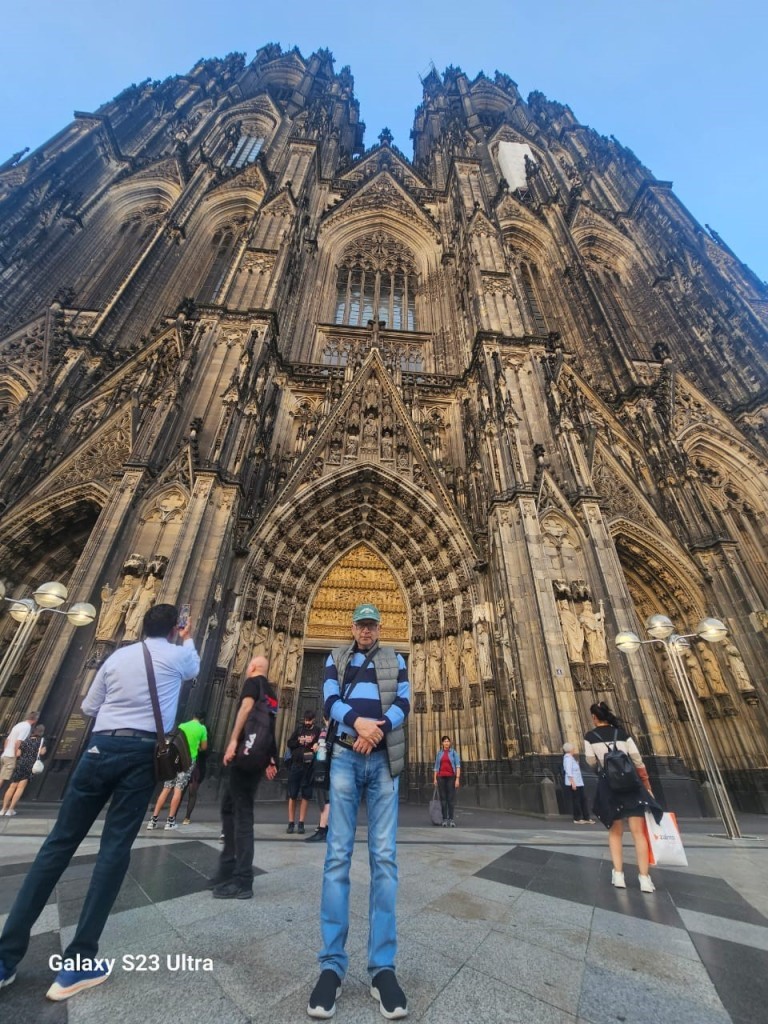


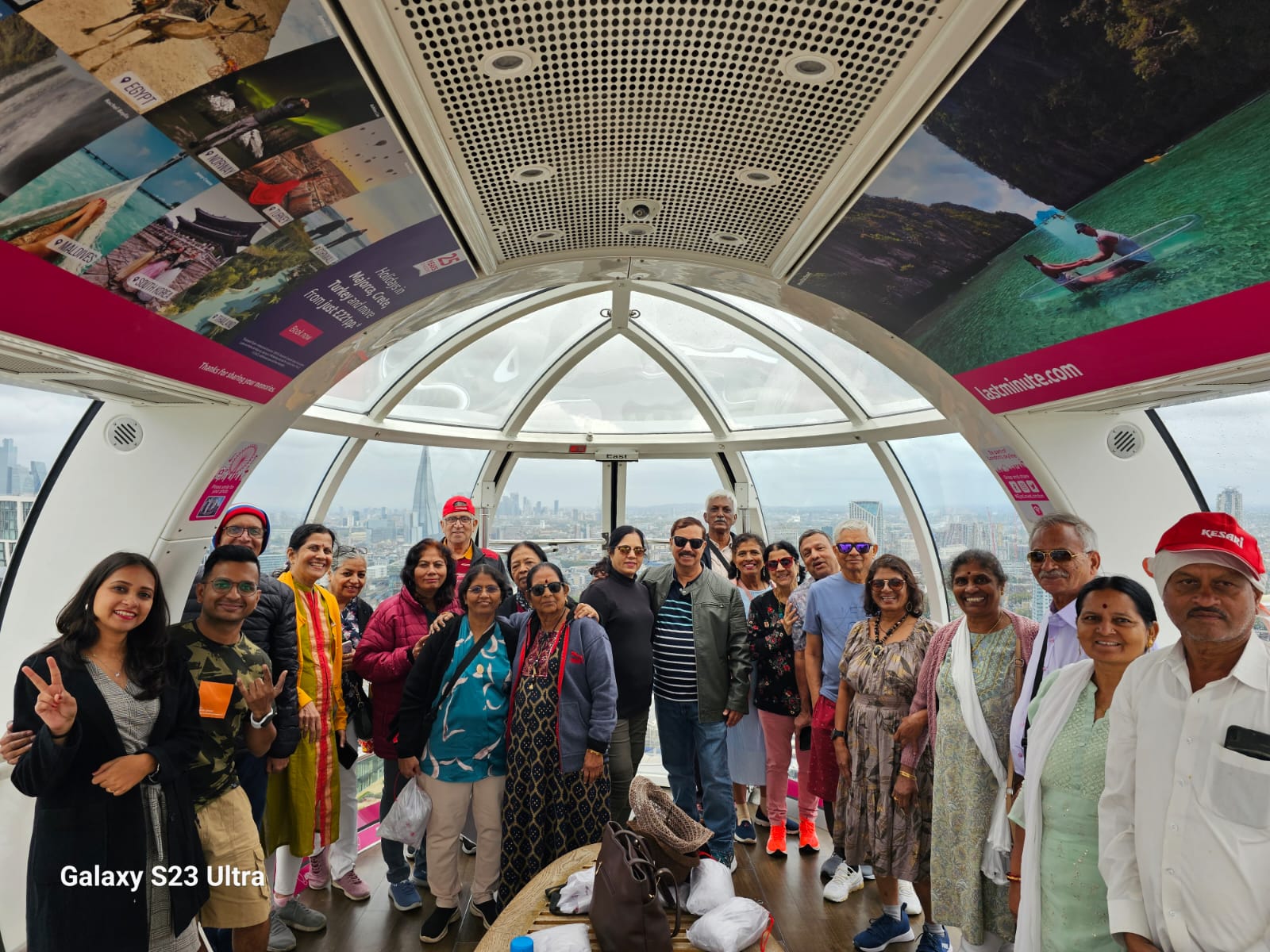
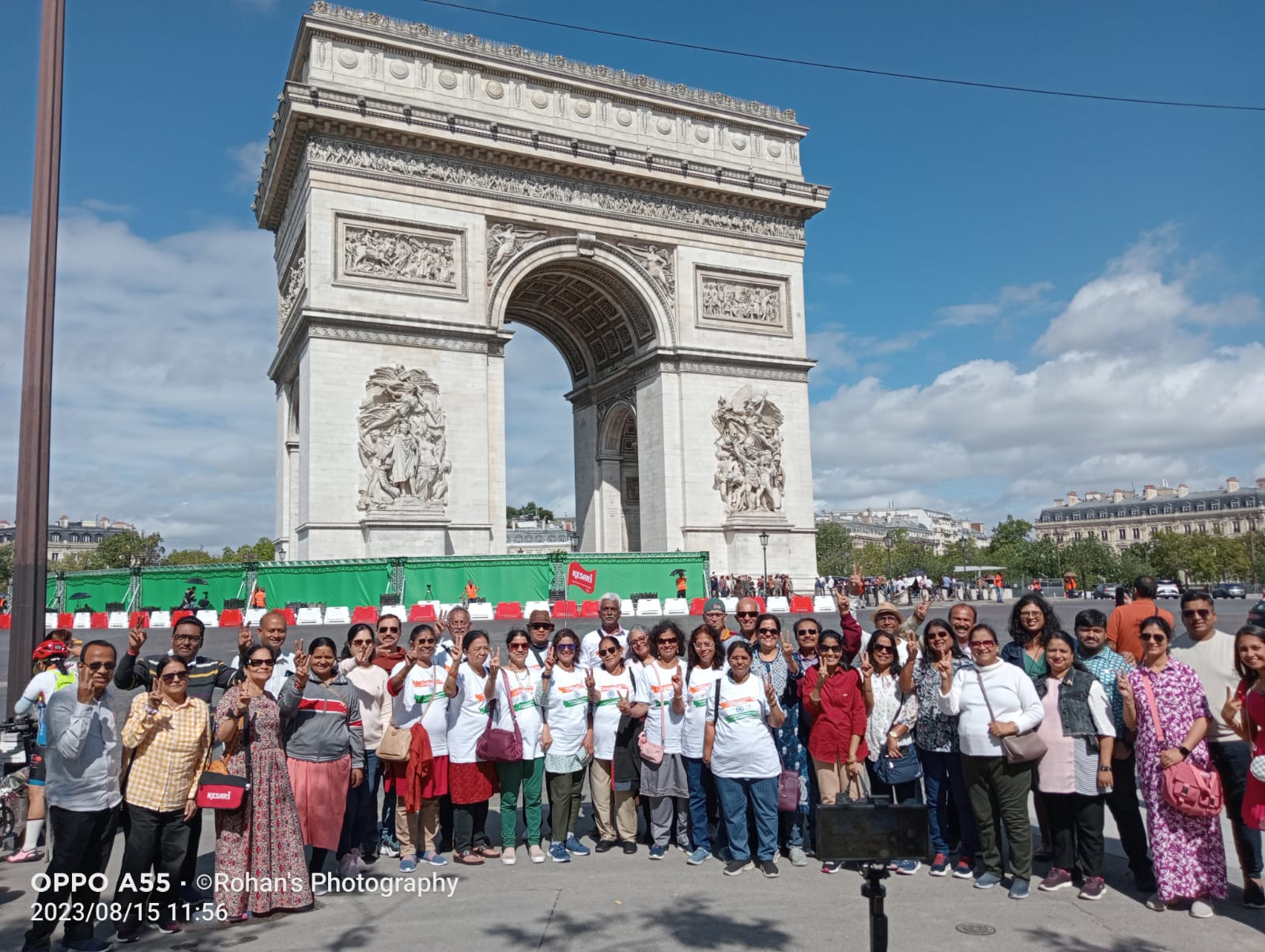
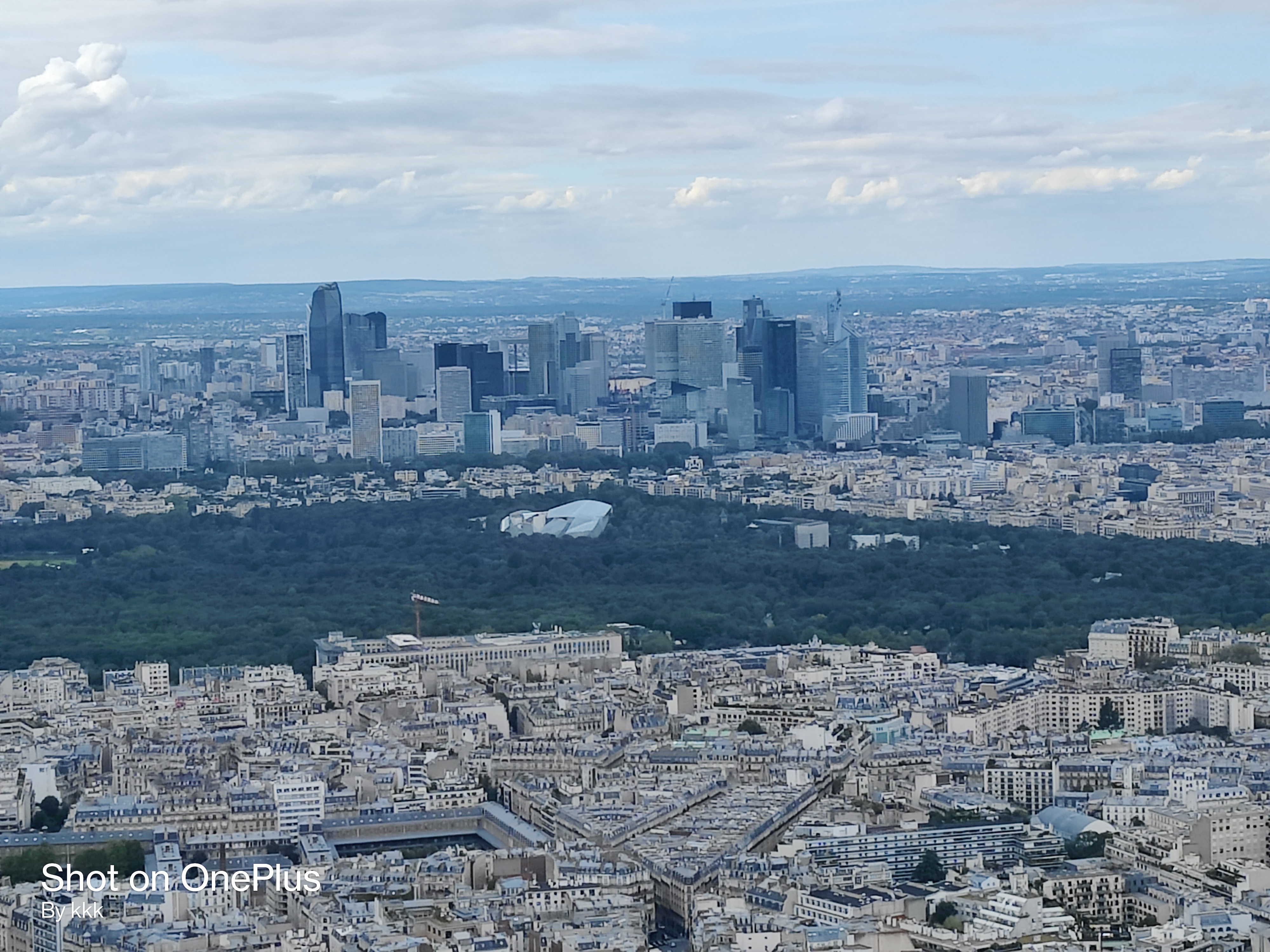
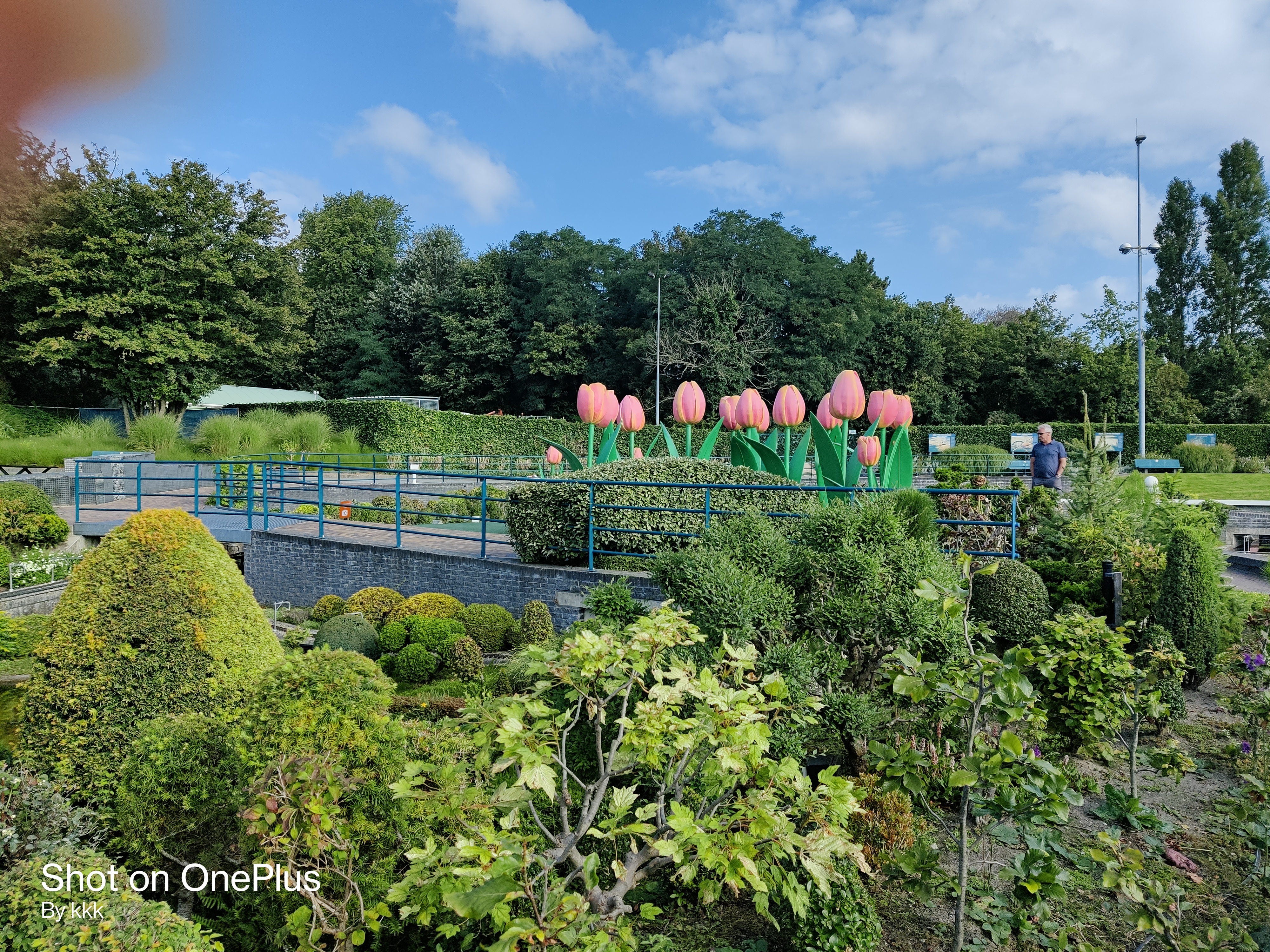
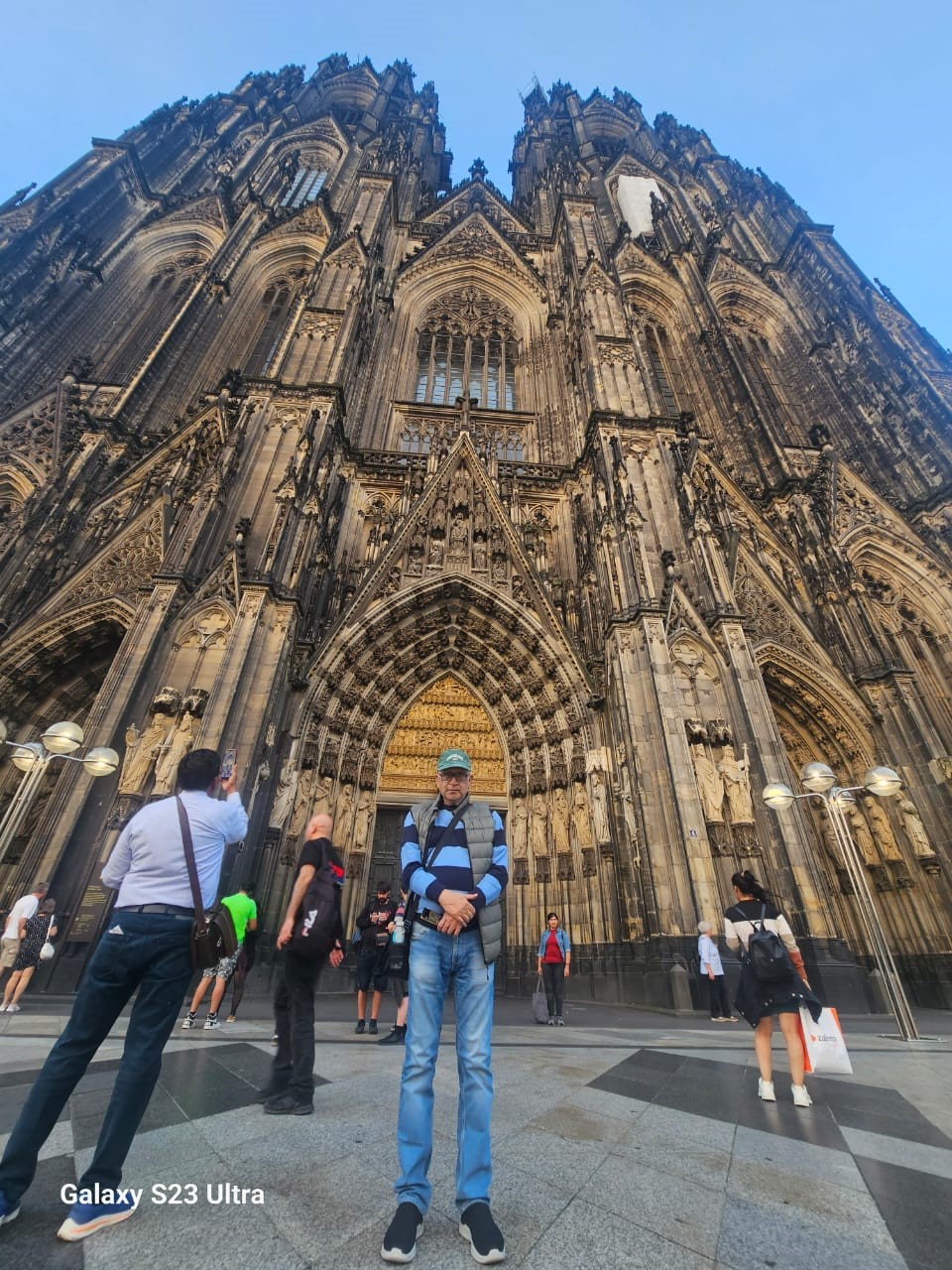
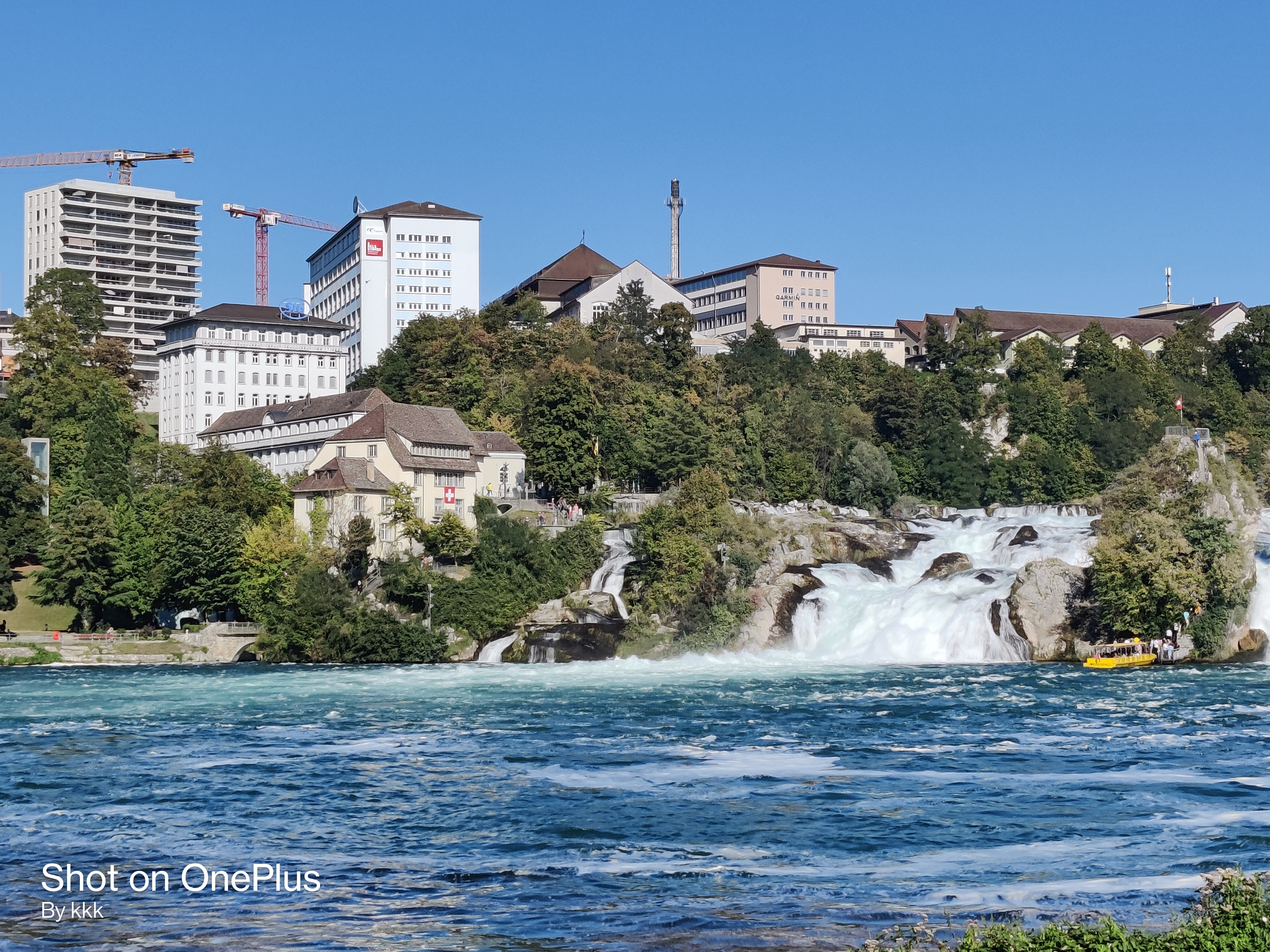
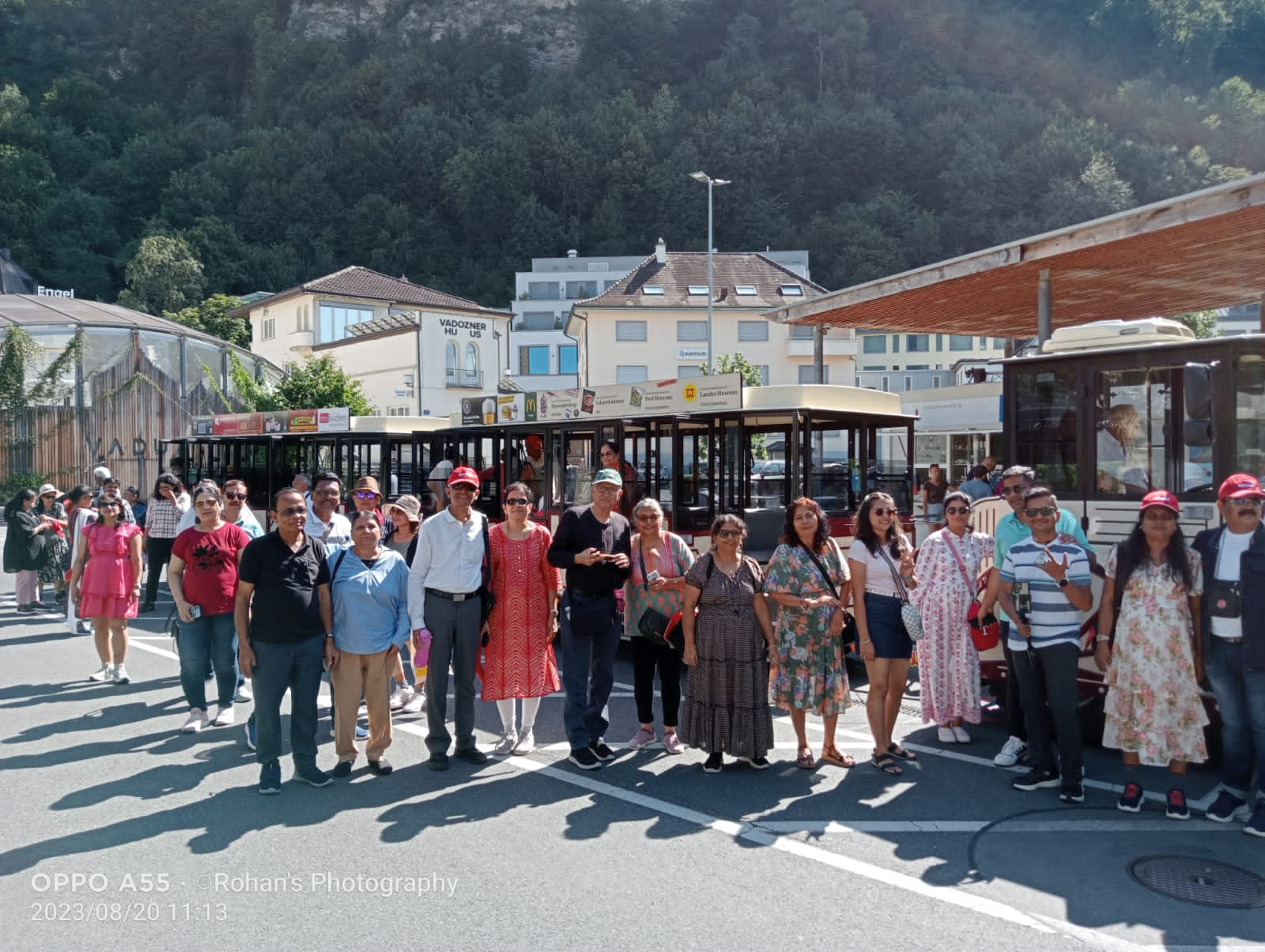
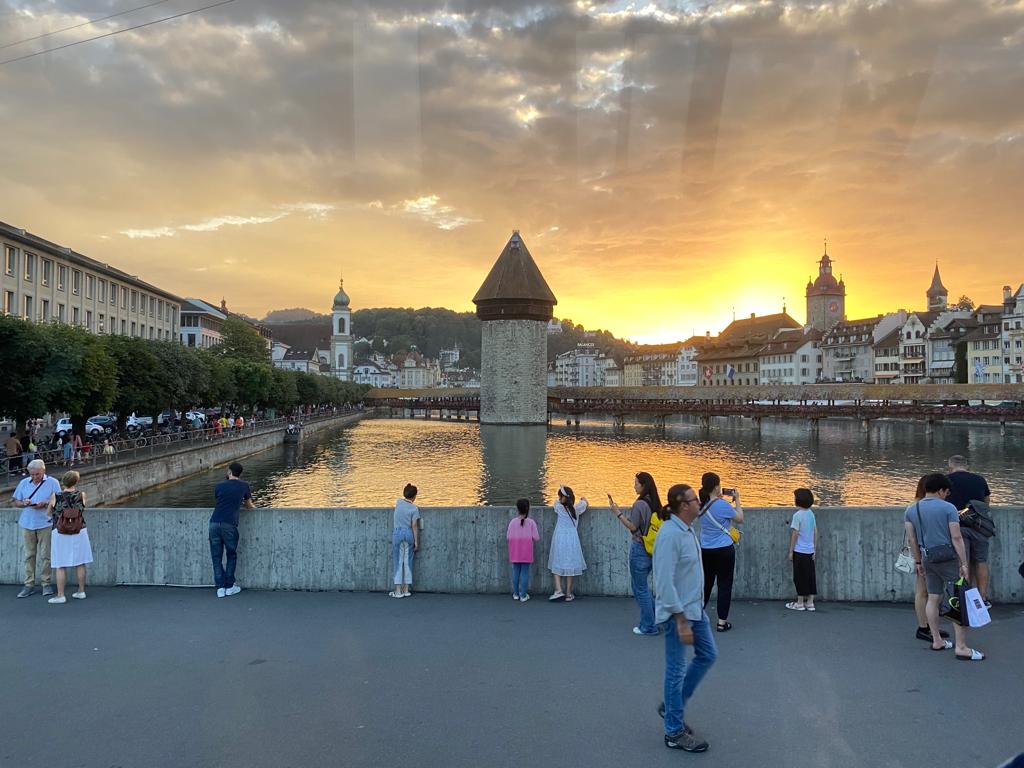
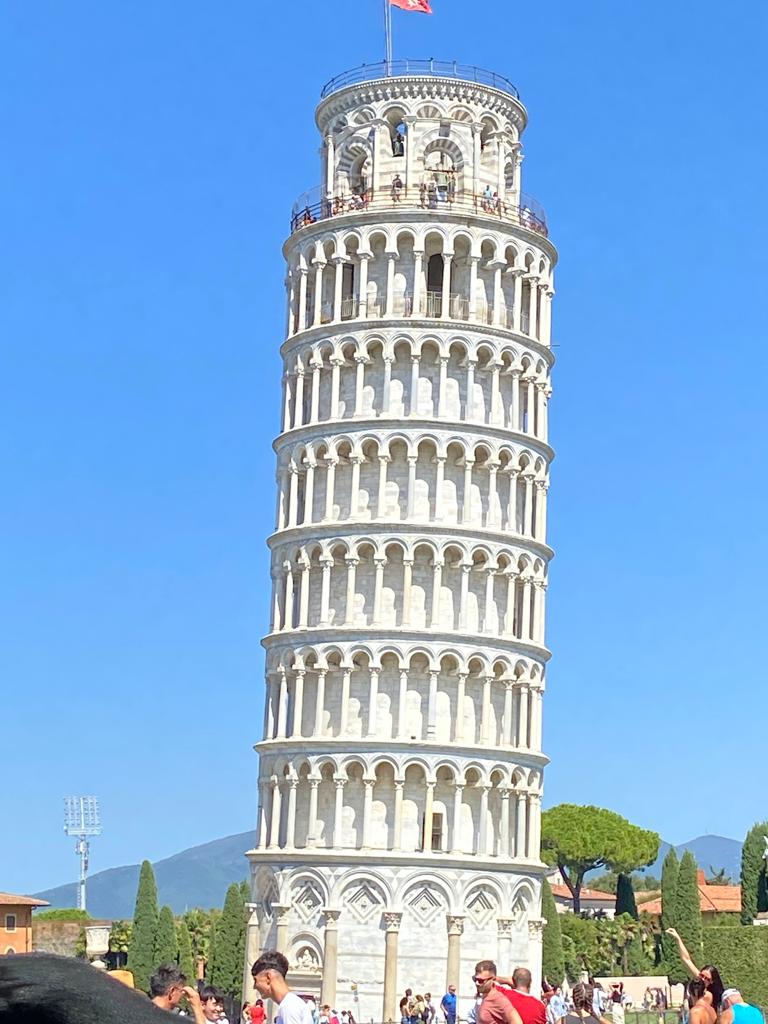
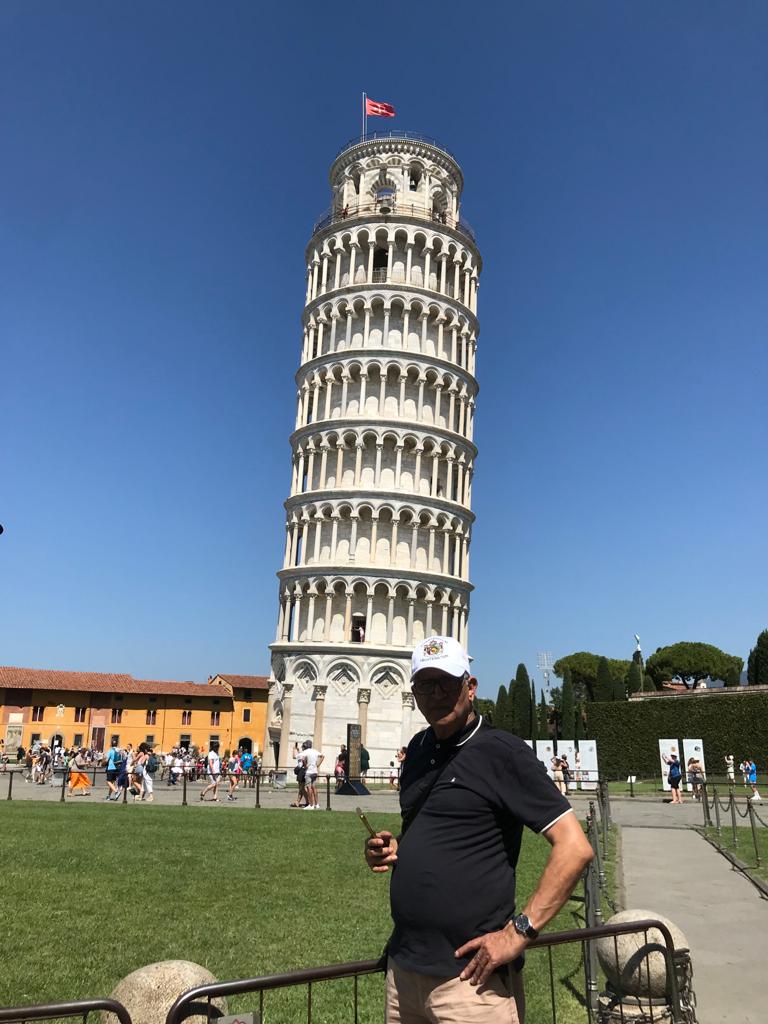
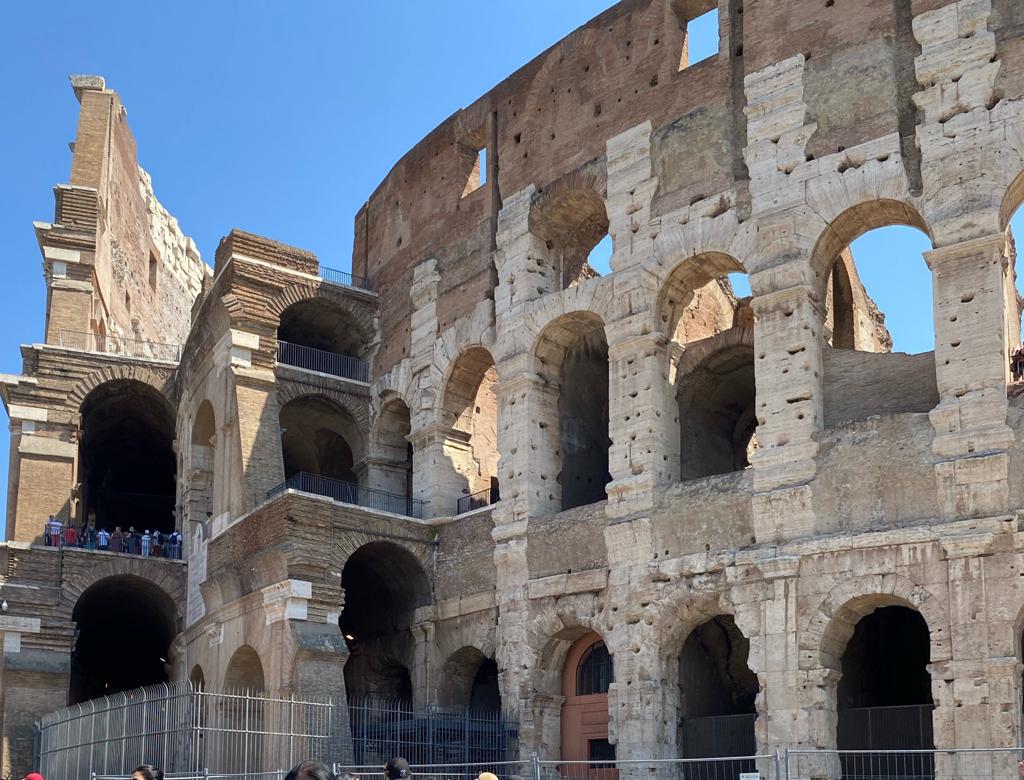
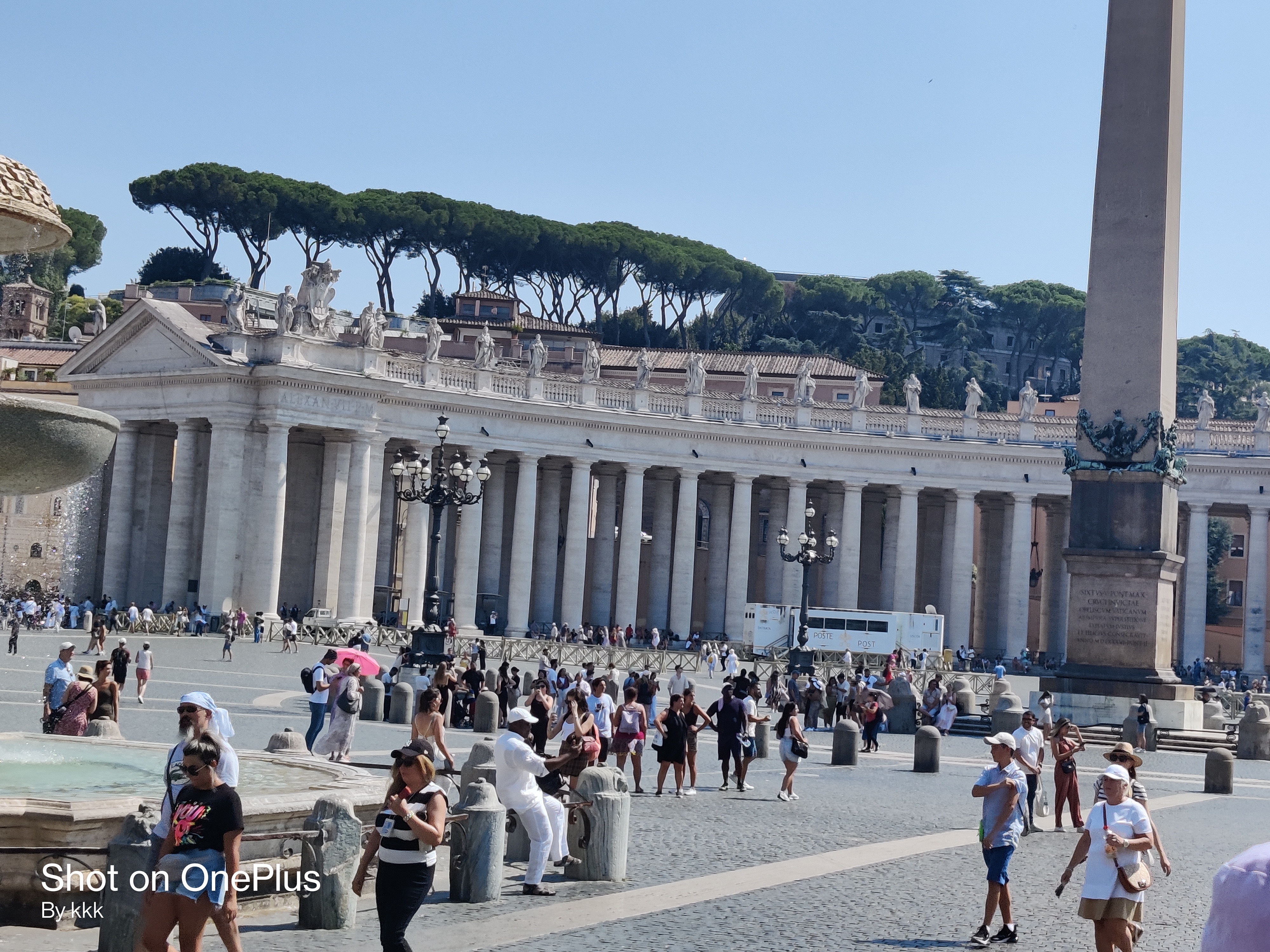
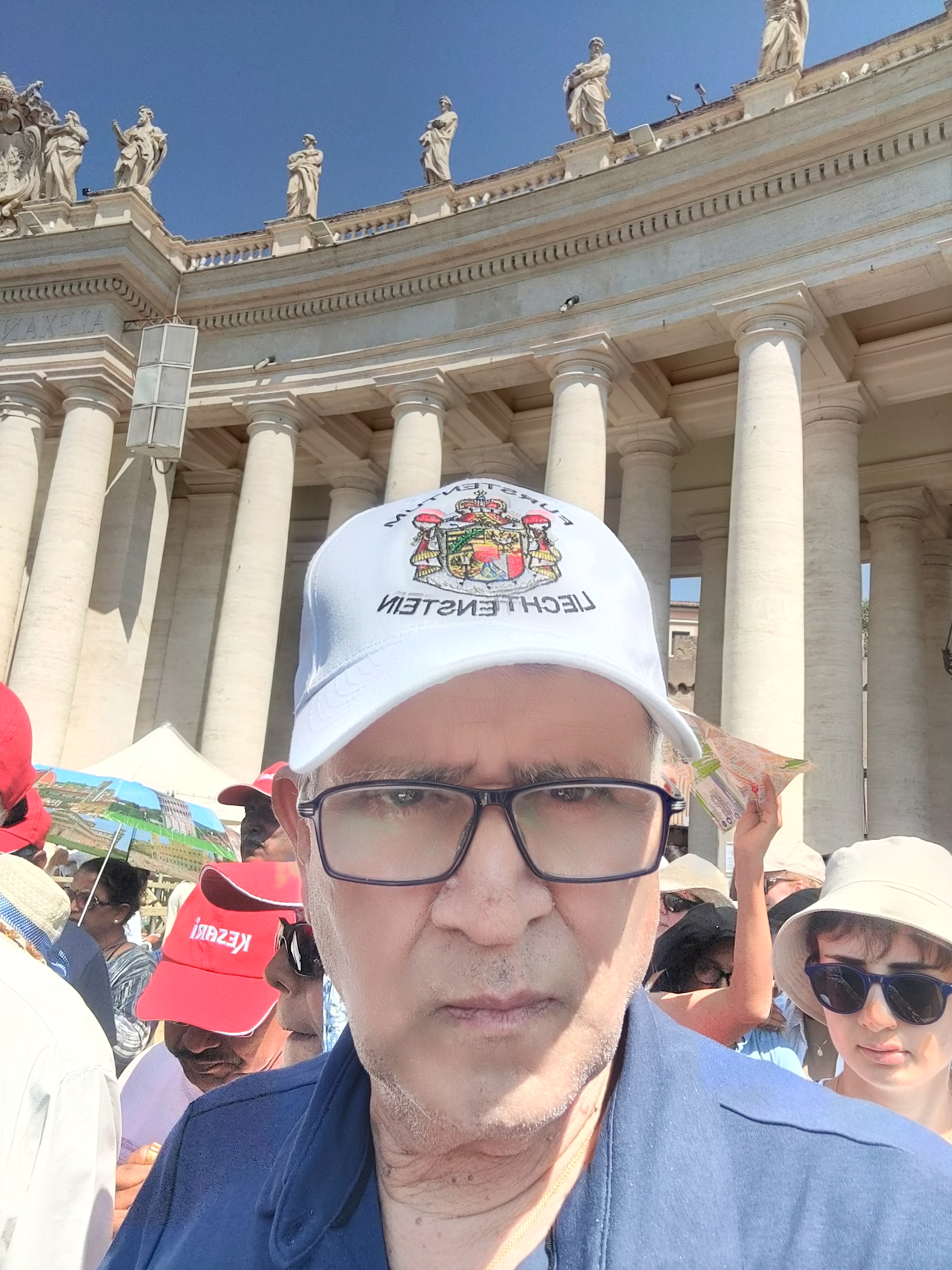
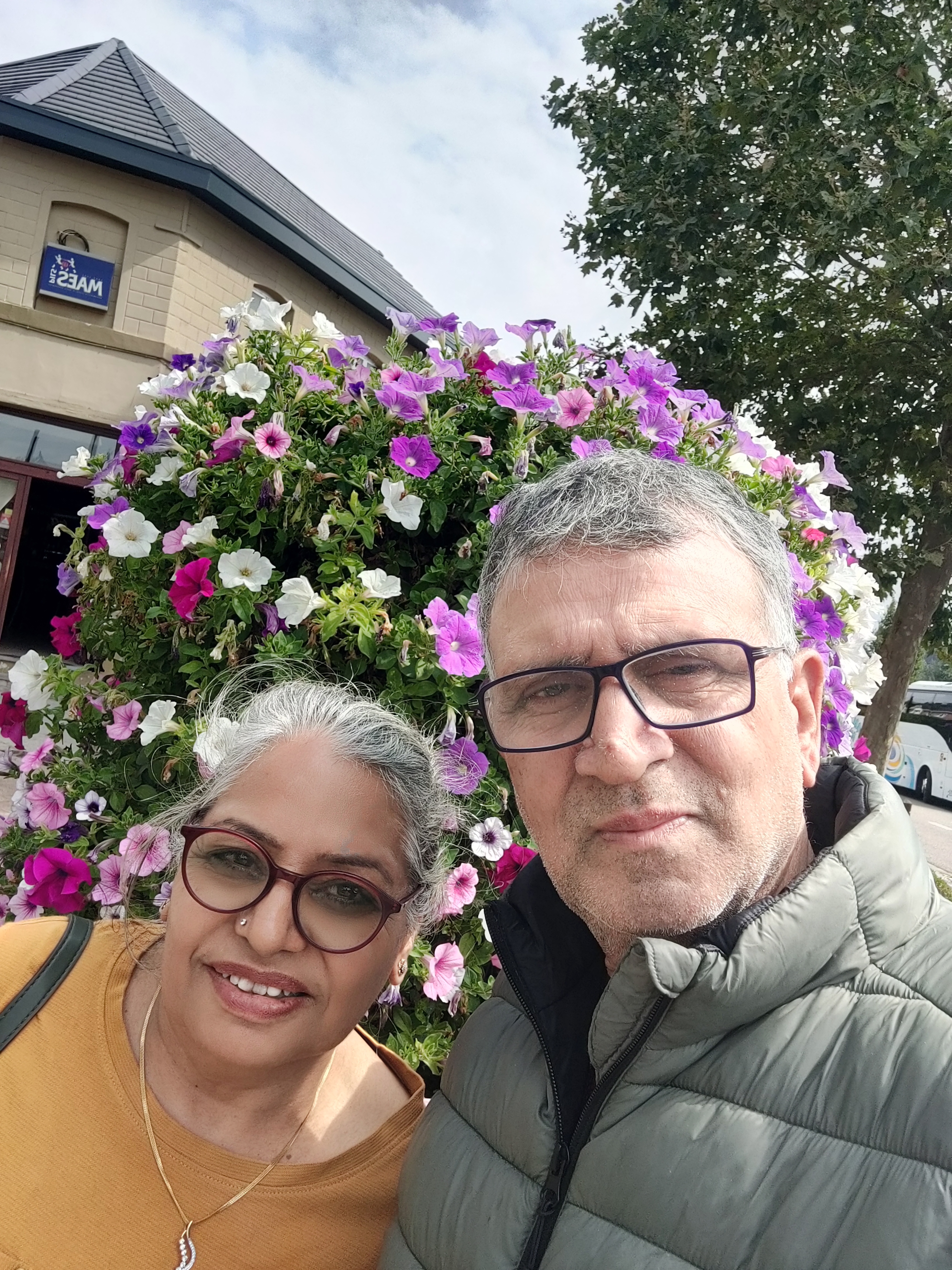




 Shravan charity mission