Copyright@shravancharitymission
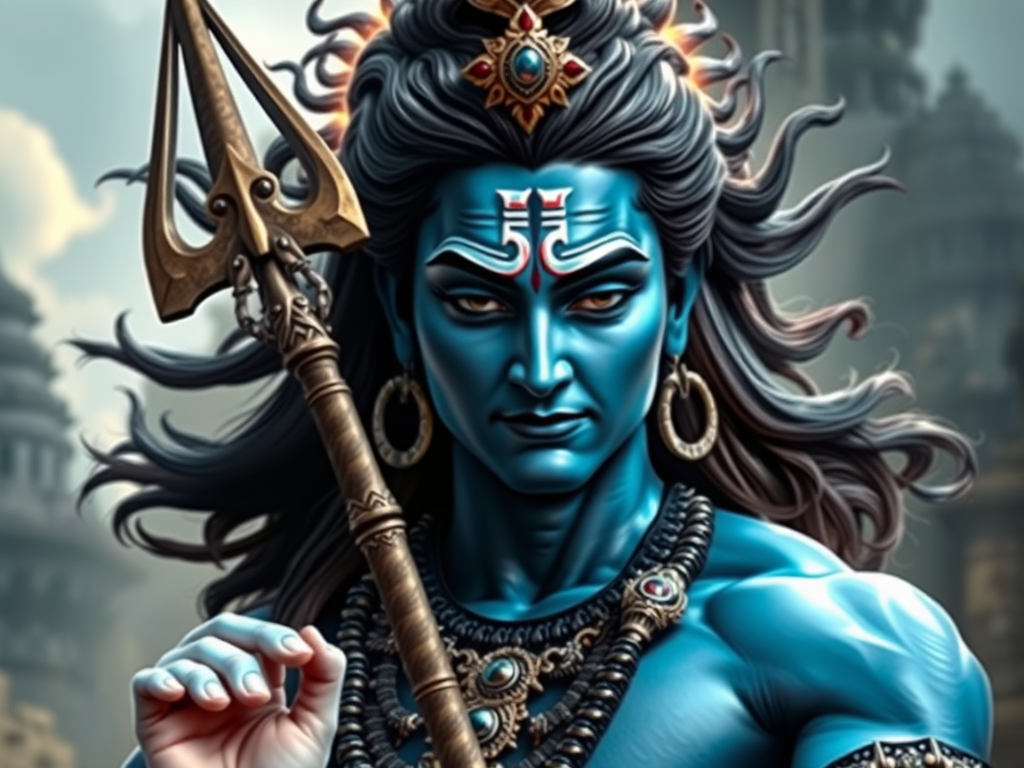
Shiva’s Ratri … MahaShivratri
Kamlesh Tripathi
Maha Shivratri means The Towering Night of Shiva. It is one of the most sacred festivals in the Hindu tradition. It is dedicated to Lord God Shiva, the Supreme Soul, and is celebrated annually on the 14th day of the waning moon in the month of Phalguna (February–March). The festival symbolises the triumph of light over darkness, wisdom over ignorance, and spiritual awakening over worldly illusion.
One of the most popular legends associated with Maha Shivratri is the burning of Kamadeva, the god of desire, to ashes. When Kamadeva attempted to disturb Shiva, while he was in meditation with his arrows of attraction, Shiva opened his third eye and reduced him to ashes. This act doesn’t symbolise the rejection of love, but the abstinence from worldly craving. Shiva’s third eye represents spiritual insight. It is the awakening of inner vision that burns away ignorance. Maha Shivratri, therefore, becomes an archetypal night of self-purification and awakening.
Maha Shivratri commemorates the divine wedding of Lord Shiva with Parvati. It symbolises the union of masculine and feminine energies, which maintains the balance of the universe. Additionally, it highlights Shiva’s cosmic dance, the Tandava, representing the eternal cycle of creation, preservation, and destruction. The dance also signifies the natural rhythm of the universe and reminds devotees of the importance of aligning with the flow of life. Shiva’s Trishul (Trident) represents several trinities such as: creation, preservation, and destruction; past, present, and future; body, mind and the atman.
On this day, devotees engage in spiritual practices such as fasting, chanting of mantras, and staying awake through the night. These rituals help individuals transcend material distractions and focus on the divine. These devotional activities symbolise vigilance and spiritual discipline. They include chanting “Om Namah Shivaya” and reciting hymns like the Shiva Chalisa to purify the mind and body. These practices are meant to deepen the connection with Lord Shiva and guide devotees towards spiritual enlightenment.
At the centre of Maha Shivratri’s celebration is the aradhana of Lord Shiva. In Hinduism, ignorance (avidya) is considered the root cause of suffering. Suffering commences when individuals get attached to unwanted worldly desires. Shiva, the great yogi seated in deep meditation, represents mastery over these impulses. His stillness and detachment reflect the ideal of self-control and higher awareness.
The festival also emphasises the renewal of righteousness. According to the Bhagavad Gita, when righteousness declines, the Supreme Being manifests to restore balance. Lord Shiva’s role as the destroyer of evil and protector of the righteous is central to this. Maha Shivratri encourages individuals to purify themselves, embrace virtues like honesty, charity, and forgiveness, and reaffirm their commitment to righteousness.
The worship of Lord Shiva is often performed through the Shiva Lingam, a representation of Shiva’s formless nature. Temples such as Somnath, Kashi-Vishwanath, Mahakaleshwar, and Rameshwar are important pilgrimage sites, attracting millions of devotees. Maha Shivratri is celebrated in various forms across India and the world.
It is a night of inner transformation. By fasting, devotion, and meditation, devotees purify their minds, bodies, and souls, creating space for the divine light. This sacred night serves as an annual reminder that Lord Shiva’s wisdom illuminates the path to spiritual awakening, guiding individuals from ignorance to divine knowledge.
Shiva is known by a thousand names, which reflect his multifaceted roles as creator, destroyer, and a supreme yogi. His key names are Mahadev (The Great God), Shankara (Benefactor), Rudra (The Roarer), and Bholenath (Kind-hearted). Other prominent names are Mahesh, Shambhu, Neelakanta (Blue-throated), and Nataraja (The King of Dance), highlighting his various attributes and cosmic roles.
Written and posted by Kamlesh Tripathi
Author, Poet & Columnist
*
https://kamleshsujata.wordpress.com
*
Like it and Share it
*
Shravan Charity Mission is an NGO that works for poor children suffering from life-threatening diseases, especially cancer. Our posts are meant for our readers, including children and adults, and have a huge variety of content. We also accept donations for our mission. Should you wish to donate to the cause of cancer? The bank details are given below:
NAME OF ACCOUNT: SHRAVAN CHARITY MISSION
Account no: 680510110004635 (BANK OF INDIA)
IFSC code: BKID0006805
***
 Shravan charity mission